
 E-Paper



Review: Piranesi by Susanna Clarke
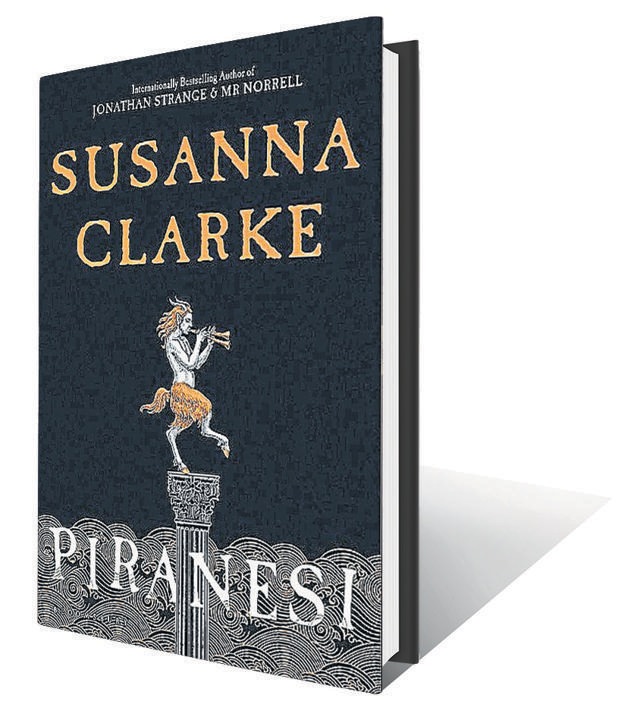
As she did in Jonathan Strange & Mr Norrell, in her new book too Susanna Clarke challenges and subverts the reader’s expectations of a “magical novel”

 Prefer HTon Google


In her last novel — a dazzling debut—Susanna Clarke wrote a ragingly clever, self-aware tome on English magic. Johnathan Strange and Mr Norrell was not a conventional book on enchantments with ballrooms filled with winged creatures. Instead, it was a historiography of magic - complete with meticulous references and footnotes, shot through with a satire of the gentrified pursuits of scholars who studied magic as a means of achieving respectability and class mobility. You would think you were reading a rigorous reference book. As if the thing called magic really existed, as burdened with the biases of a historiographer as any other subject would be.
Piranesi is only Clarke’s second novel. It doesn’t have much in common with the first, except for one thing - the author seems to ask of the reader: what do you expect in a book of magic? If Jonathan Strange and Mr Norrell was full of faerie spells that existed along with the political systems of ‘publish or perish’ academia, Piranesi has a single protagonist, and his single account of the world. Piranesi is the eponymous character in the book. He lives in a magical world which is made up of a huge, partly ruined, classical house. His companions are statues of beasts and people, a sea that floods the House on occasion, and The Other, a sceptical scholar. Piranesi marks times in phases of the moon, and spaces through the vestibules in the House. He is fully immersed in this world — and quite obsessed by the occurrences in it. Like the scholars in Jonathan Strange, he maintains copious notes. His bibliography is our means of understanding this world and what happened to him.
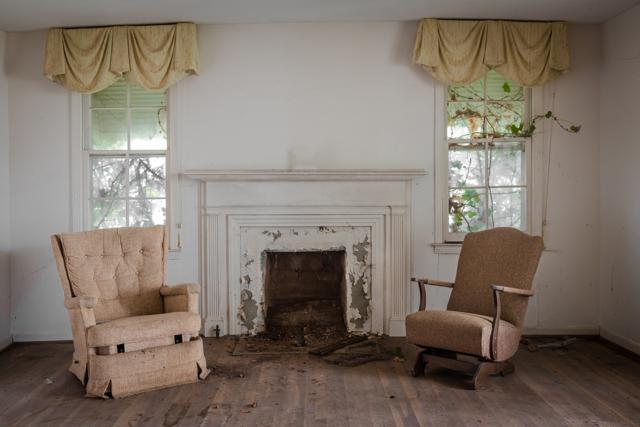
This is a magical world, but there is very real magic that is utilized in the book. With no details on spells, and very little exposition, we are left with an unreliable, Rashomon kind of narrative which unfolds through entries in Piranesi’s journals. Though he is some kind of a castaway, living a solitary life, he considers himself to be the “Beloved Child of the House”. He communicates with birds, personifies the statues, and believes in a system of the tides — a larger metaphor for his faith in the completeness, safety and logic of this magical world. You may wait for events to change drastically during the book, to reveal a new planet, landscape or place, but midway through the book you realise that the world-building is flowing towards the inner self.
Like her previous novel, in this one too Clarke challenges and subverts the expectations of a “magical novel”. The reader is left to discover this world through the eyes of the single character, whose stream of consciousness is at once restrictive (and therefore, may be claustrophobic) and wide-eyed (which could be read as simple-minded). As he carries out mundane tasks of saving his tattered clothes from wear and tear, catching fish and brewing seaweed broth, the book also unfolds as a journey between dualities – the ego and the alter ego, madness and transgressive thinking, attachment to the material versus attachment to meaning, and science versus possibilities. But at its heart, this is a book about the idea of home.
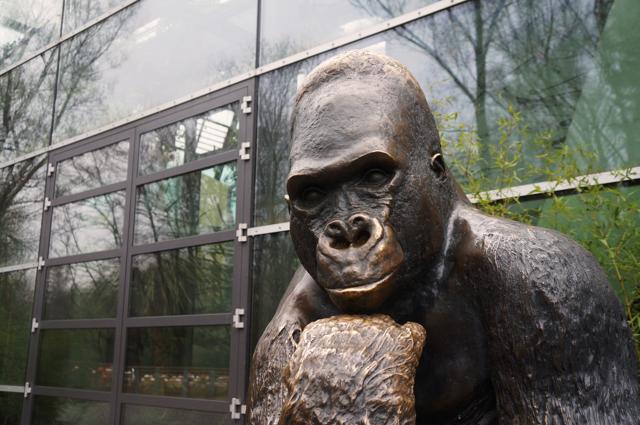
Geographers mark a difference between a ‘place’ and a ‘space’. A ‘place’ is differentiated from space/spaces through deeply felt associations and a sense of meaning. Piranesi is about the idea of the home, and what such a place means to us. “Last night, I dreamt I was standing in the fifth northern hall facing the statue of the gorilla. The gorilla dismounted from his plinth and came towards me with his slow knuckle-walk. I told him how happy I was to be home,” he says.
Clad in rags, and with no real human company, you may ask why Piranesi is so reverential towards the world of the House. The answer may lie in part with the fact that we are all, at the end of the day, alone in the worlds we inhabit, and we choose different kinds of safe spaces. One person’s broken-down ruin could be another’s palace; for some solitude can be more precious than city lights. I am not sure if Piranesi’s magical world is really there, but I am sure it does not matter. The fact that Clarke was battling an ailment for more than a decade seems to inform this book. It is written in the sure hand of someone who has been thinking for a long time on what she must say, and how she must populate her inner journeys. Reading this book during the pandemic and lockdown made me appreciate its soliloquies much more: if there has to be one definitive book for the COVID-19 pandemic, then this is it.
Finally, reading Piranesi made me think about what magic really is. Despite life-threatening floods, the “beauty of the House is immeasurable,” Piranesi says repeatedly.
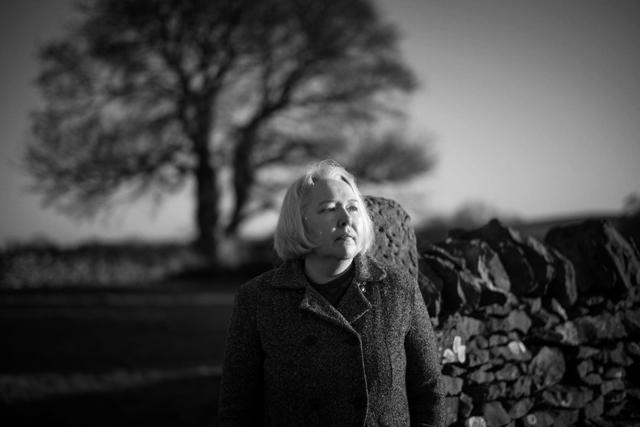
“This critique of progress was something I borrowed from CS Lewis” - Susanna Clarke
Like all good fiction, you are likely to consent to be carried away by the ideas floating in this book — the terrifying beauty of solitude and the marvels of a sense of community with the world/the House.
Because in the end, as Piranesi, the character, demonstrates, all the magic of the world lies in a sense of wonder. Piranesi is highly recommended.
Neha Sinha is a conservation biologist with the Bombay Natural History Society. She is the author of Wild & Wilful.


