
 E-Paper



Review: Amitava Nag's The Cinema of Tapan Sinha – An Introduction
A comprehensive study of Bengali filmmaker Tapan Sinha’s life and work, this book highlights his excellent storytelling and shows how his Left-agnostic political stance affected his standing among critics

 Prefer HTon Google


It is sad that the brilliance of the three “heavyweights” Satyajit Ray, Ritwik Ghatak and Mrinal Sen pushed some of the great filmmakers of Bengali cinema like Asit Sen, Ajoy Kar, Rajen Tarafdar and Tapan Sinha (1924-2009) towards a low-profile existence. The quintessential Bengali filmmaker in spirit and world-view, Tapan Sinha’s prolific career, spanning almost five decades, saw him producing work in a range of genres. An excellent storyteller, his style and aesthetics remained constant in terms of quality and audience appeal with his well-crafted films rarely veering towards experimentation.
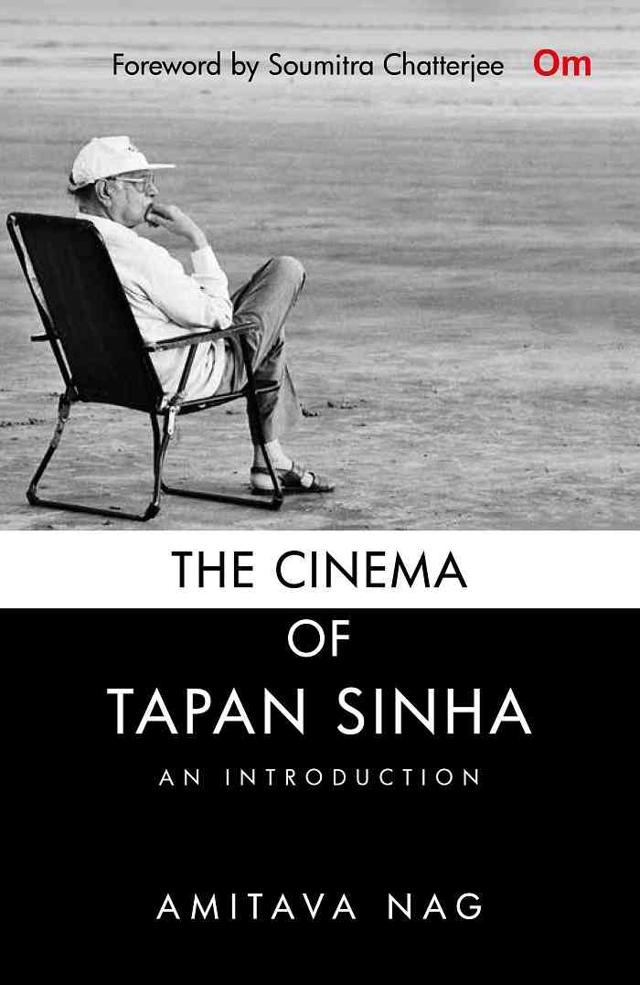
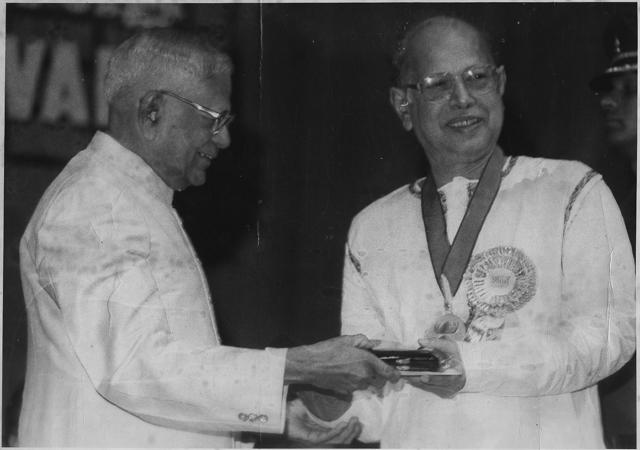
Sinha’s works won 19 National Film Awards in various categories and also won laurels on the international film festival circuit. In 1995, he published his slim memoir Mone Pore. Another volume of his memoirs Chalachitra Abhijaan was published after his death. A few years ago, Abesh Das also wrote a brilliant book on the filmmaker in Bengali.
The Cinema of Tapan Sinha is a comprehensive study of his life and work by independent film critic Amitava Nag, whose earlier work includes 16 Frames, Beyond Apu: 20 Favourite Film Roles of Soumitra Chatterjee, and Satyajit Ray’s Heroes and Heroines.
Very little work has been done on Sinha so Nag’s book, which too was originally written in Bengali and has been translated by the author himself, must have involved painstaking research. Its 14 chapters are followed by a detailed filmography.
The first three chapters, The Initial Years followed by Growing Up in Bhagalpur and Move to the Big City, shed light on the filmmaker’s birth and formative years as a member of a progressive, cultured and musically-inclined family. He was particularly close to his eldest sister Uma and her husband and lived with them as a boy. The bond endured and Uma’s son Siddhartha Kumar Ghosh has offered many snippets about his favourite maternal uncle, which give readers insights into the filmmaker’s character and evolution.
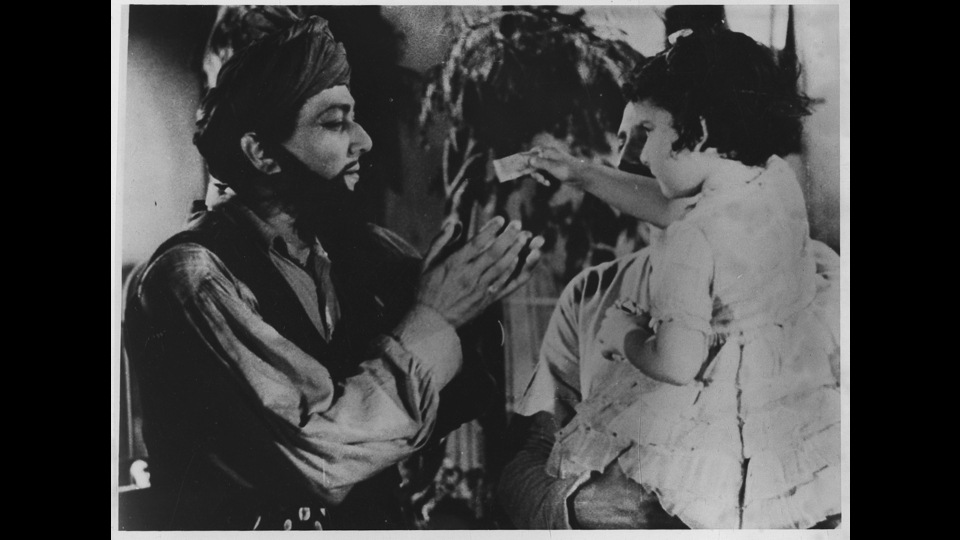
Other chapters focus on Sinha’s adaptation of classical Bengali literature including the works of Rabindranath Tagore such as Atithi (1965), Kabuliwala (1957) and Kshudita Pashan (1961). Apart from detailed explanations, Nag also provides back stories of these and of the novels of Tarasankar Bandopadhyay, Jarasandha and Subodh Ghosh. There are chapters on films like Aaj Ka Robin Hood (1988), Anokha Moti (2000) and Sabuj Dweeper Raja (1973), where children play major characters. One looks at Tapan Sinha’s foray into Hindi cinema with adaptations of his own Bengali works. One of these, Sagina Mahato (1970), which starred Dilip Kumar and Saira Banu, was not half as commercially successful in Hindi as it was in Bengali. His most outstanding film in Hindi was Ek Doctor Ki Maut (1990), which won the National Award but was rejected by the masses. The reader also learns of Sinha’s near-fatal accident.
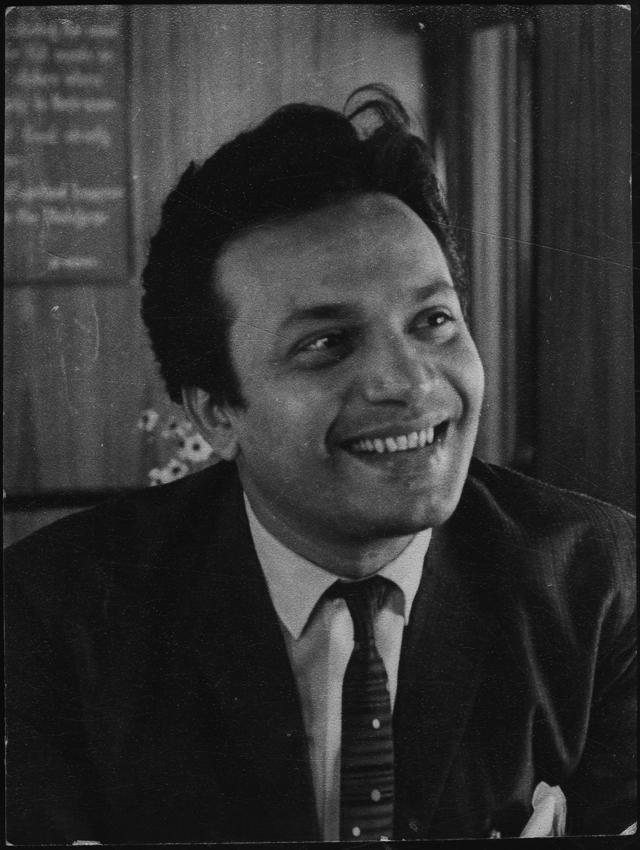
This book provides a very different version of the story of Tapan Sinha’s tiff with actor Uttam Kumar over Banchharamer Bagan (1980), one of Sinha’s biggest commercial hits. The falling out which led to Uttam Kumar being cut out of the film caused a complete breakdown between the two, who had been quite close until then. Uttam Kumar had given one of his best performances in Sinha’s Jatugriha (1964). He had also done a double role in Sinha’s Jhinder Bondi (1961), which was based on a novel by Saradindu Bandopadhyay and featured Soumitra Chatterjee in his first negative role.
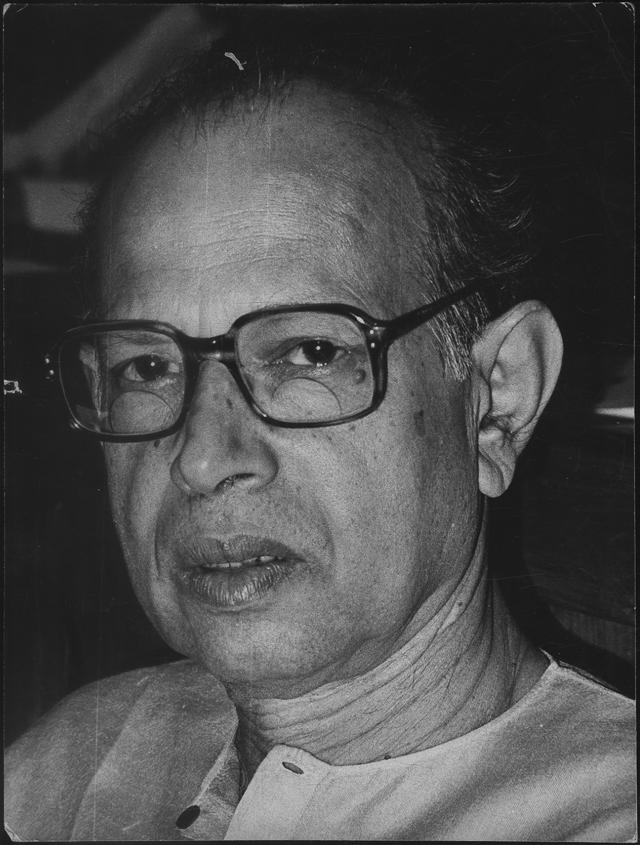
The chapter titled Dealing With Contemporary Reality looks at films like Golpo Holeo Satti (1966), Haatey Bazaare (1967) and Apanjon (1968) . Nag points out that the narrative and satire of these films show that Sinha was not apolitical. “Tapan’s own apolitical positioning, which veered towards Left-agnostic, had a telling effect on how he was critically received by the Bengali intellectual cultural class and the critics,” Nag writes. “While he remained very viable at the box office for over three decades, his sway over the critics (the majority of whom remained Left-inclined) waned substantially over the years.”
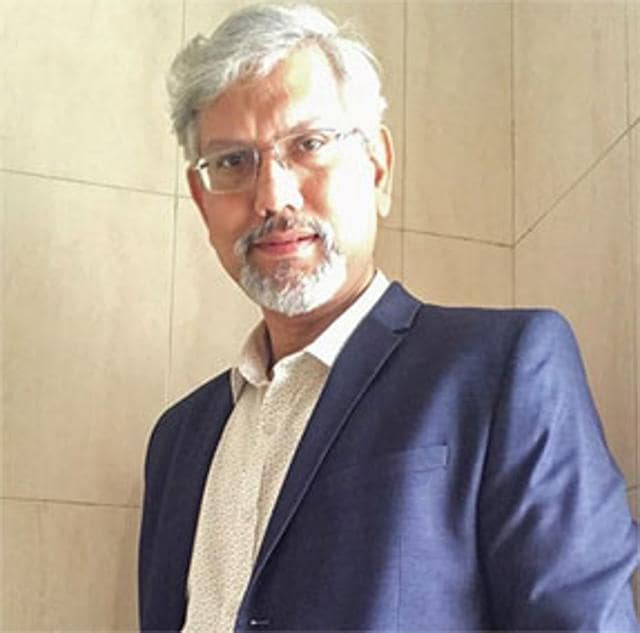
In The Conscience Trilogy – The Hopeless Paranoia of the Eighties, Nag looks at films like Adalat O Ekti Meye (1982), Atanka (1986) and Antardhan (1992). In each of these, the filmmaker steps out of his comfort zone to direct films that stated his political beliefs. “A salient feature of all three is that they were heavily influenced by newspaper reports and the horrible state of metropolitan life in the City of Joy” writes Nag.
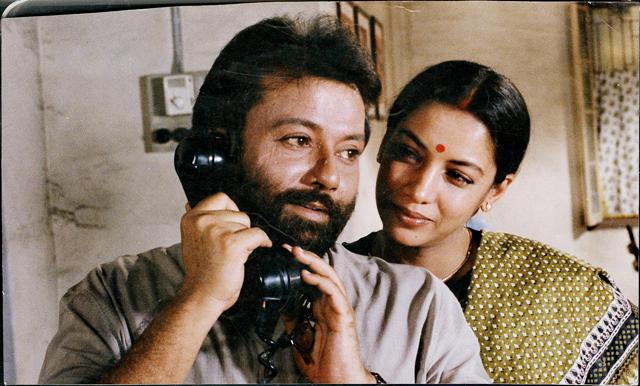
The many stills from Sinha’s films, images of film posters and of the director himself, and the brief foreword by Soumitra Chatterjee elevate this volume. However, its USP lies in Nag’s excellent contextualization of the filmmaker, whom he places against his socio-political-cultural context, thus allowing readers to come to their own conclusions about his oeuvre.
Shoma A Chatterji is an independent journalist. She lives in Kolkata.


