
 E-Paper



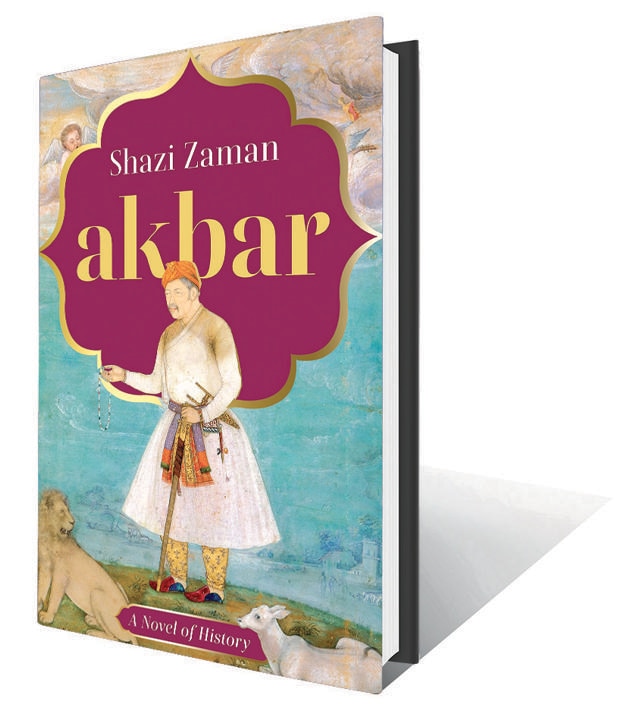
Review: Akbar; A Novel of History by Shazi Zaman
An ambitious portrait of Akbar that plays with historical facts to reimagine, retell, and reveal the human side of the emperor

 Prefer HTon Google


The most loved Mughal emperor is brought to life in this period piece by Shazi Zaman, who successfully inhabits the monarch’s restless mind, providing enough fodder to readers to take in the sights, smells, and sounds of Akbar’s reign.
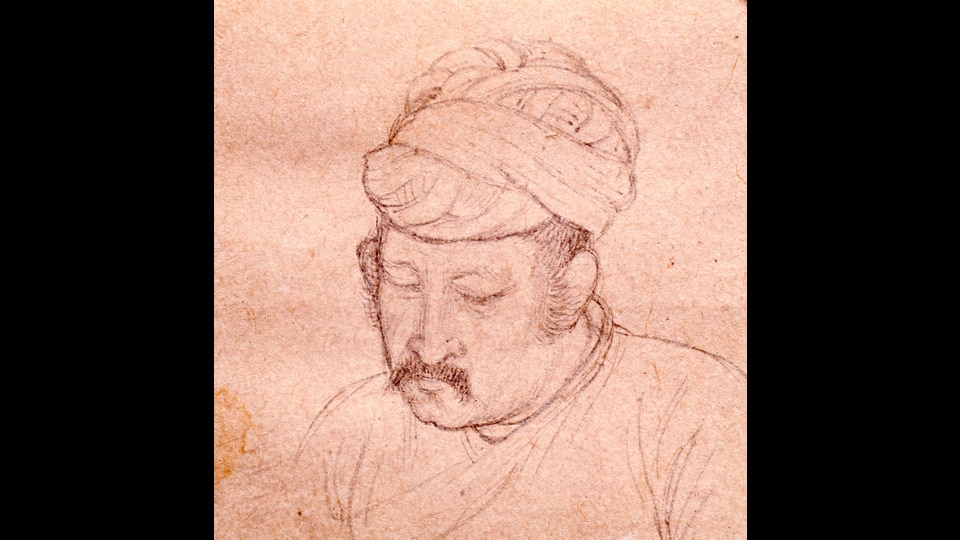
This ambitious portrait of Abul Muzaffar Jalaluddin Muhammad Akbar is the result of plenty of research and a bit of guesswork. The author gently plays around with historical facts to reimagine, retell, and reveal the human side of Akbar, who ruled for half a century, his sprawling empire stretching from the Hindu Kush in the west to the Bay of Bengal in the east.
The novel begins when Akbar is halfway through his reign and he is seen in a trance-like state - haalat-i-ajeeb - on a full moon night of May 1578. Conventional historical accounts have glossed over these details, quite content to hail Akbar as the greatest commander, able leader, and the most unorthodox Mughal emperor.
Zaman examines this little-known side of Akbar’s restless soul, and that of his ancestors, whose legacy shaped him. Akbar was first seen in this trance-like state in the 23rd year of his reign, a sight that terrified his nobles. He was heard muttering: “Hindus should eat beef, Muslims should eat pork. And, if not this, fry a sheep in the pan. If it turns into pork, Hindus and Muslims should have it together. If it turns into beef, Hindus and Muslims should have it together…a divine miracle would thus happen…” On another occasion, he was seen communicating with angels.
These sporadic episodes have been recorded among others by Sheikh Abul Fazl, who wrote Akbarnama. Zaman argues in the author’s note that, in today’s world, the emperor’s “incoherent utterances” could have been easily classified as “bipolar disorder” or dyslexic behaviour: “…if we do analyse Akbar’s psyche on the basis of modern scientific knowledge, he could be regarded as a remarkably intelligent person in deep turmoil over the complexities of life and extremely desirous of changing the status quo.”
In his 50-year reign, Akbar won every battle, and believed that armies should always engage in wars or else they would become lazy. He was supremely ambitious, anxious to become the secular and the spiritual head, even though he could not conquer the burden of religious disputes that he was carrying in his heart.
He launched the new Din-i-Ilahi (the divine religion) era and appointed himself as the “spiritual guide of the nation”, much to the chagrin of the ulema, who refused to prostrate before him. Yet, the monarch took charge as the religious head and delivered the Friday sermon in the Fatehpur mosque. However, he could not complete his first and last khutba. He stammered and began to tremble, writes Zaman.
Abul Fazl recorded Akbar’s ascension as a secular and spiritual leader thus: “Many sick people of broken hopes, whose diseases the most eminent physicians pronounce incurable, have been restored to health by divine means.” Some poets wrote couplets to please the emperor, but there was Mullah Sheri, known for his wit, who observed: “This year the king has declared himself Prophet/In the following year, if God so wills, he will become God.”
Interesting conversations about attempts to convert Akbar to Christianity are found in this book. Akbar was engrossed in debates on matters of faith including on why priests are celibate, and once took off his turban and prayed like a Christian, which gave the visiting Jesuit head of Goa hope. Even during the emperor’s last days, the priest tried to encourage him to embrace Christianity. Though the priest’s gentle persuasions failed, he did succeed in securing land concessions.
Zaman relies heavily on documented anecdotes to capture the life and times of the unlettered Akbar. When the emperor was four years, four months, and four days old, his father, Emperor Humayun, consulted astrologers for an auspicious time to begin his education. The astrologers suggested a time which comes once in a lifetime. However, Akbar could not be found at that time despite a frantic search. Later, Abul Fazl used to say, “It is a sign of God that he is so gifted that he did not need to read or write.”
Which is why Akbar was fond of paintings and founded a tasvir khana (atelier). To ensure the fast production of paintings, he would allocate functions to artists after ascertaining their talents. The best artists would sketch, the others would take over later.
Zaman’s book isn’t an easy read. Too many characters make an appearance in the 349 pages and disappear just as soon. The author is unable to weave a story around Akbar’s trance-like state, the focal point of this project, and this is rather disappointing.
He does succeed in furnishing a gripping account of Akbar’s era - though imaginary but very much drawn from reality, as Zaman explains in his introductory note: “When Badshah Salamat travelled, his cavalcade, was no less than a moving city. A hundred elephants, 500 camels, 400 bullock carts, and hundreds of people on foot.”
Even the littlest details are enchanting: what Akbar looked like, how he dressed, his love for pigeons (he owned 20,000 pigeons and called pigeon-flying “ishqbazi”); his love for books (he owned 24,000 books – some he commissioned such as the Mahabharata in Persian, and some calligraphed); or when Emperor Humayan was to visit Persia, the ruler ordered that 500 dishes of varied foods be presented together with beverages every day.
Zaman also does well in filling in the gaps in the life of one of the most important figures of Indian history, who struggled for sulh-i-kul, peace with all.
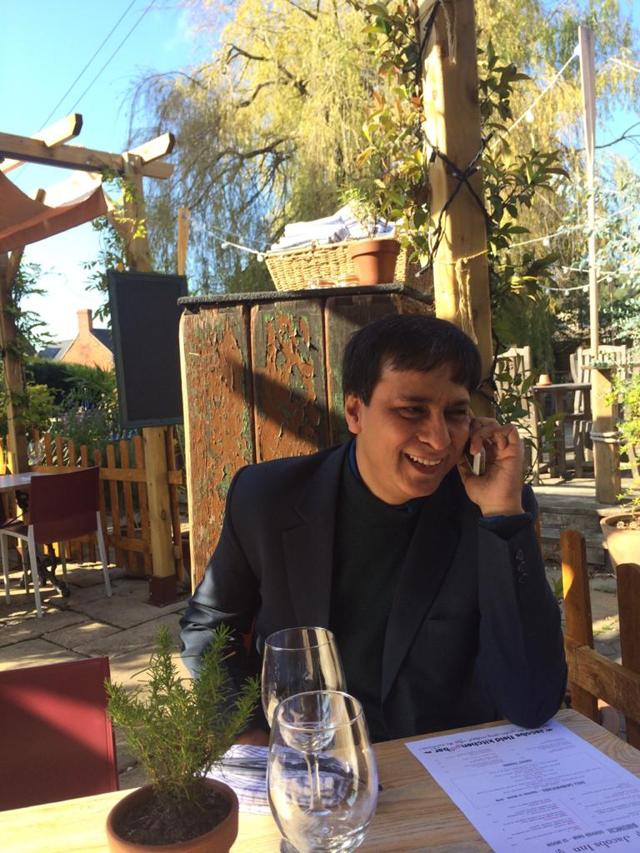
It took Zaman, a journalist, more than 20 years to write this novel, originally published in Hindi by Rajkamal Prakashan a few years ago. The book is surely vast in scope and layered, but it is likely to leave the readers with more questions than answers about the phenomenon that was Akbar.
Lamat R Hasan is an independent journalist. She lives in New Delhi.


