
 E-Paper



Review: Villainy by Upamanyu Chatterjee
Upamanyu Chatterjee’s new literary thriller depicts a Delhi where badness is embedded in everyday life

 Prefer HTon Google


The boundary between “literary” and “genre” fiction is semipermeable in the literary thriller. In the accomplished hands of an author like Upamanyu Chatterjee, the thriller engrosses and excites with adrenaline surges even as it presents insights about society and stimulates cultural epiphanies.
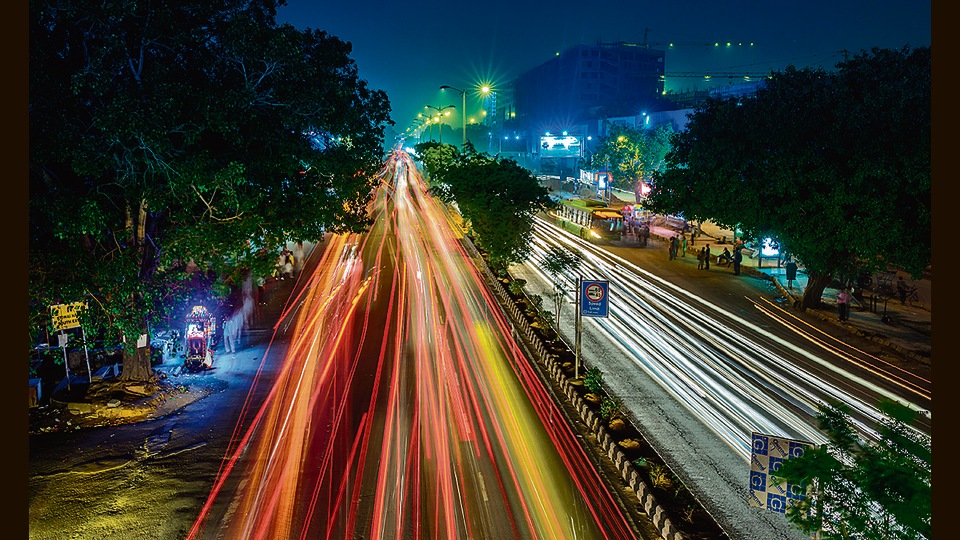
His new book, Villainy, depicts a city, Delhi, where badness is embedded in everyday life. Not that virtuous folks are missing from the story – there are protagonists – but they are outnumbered.
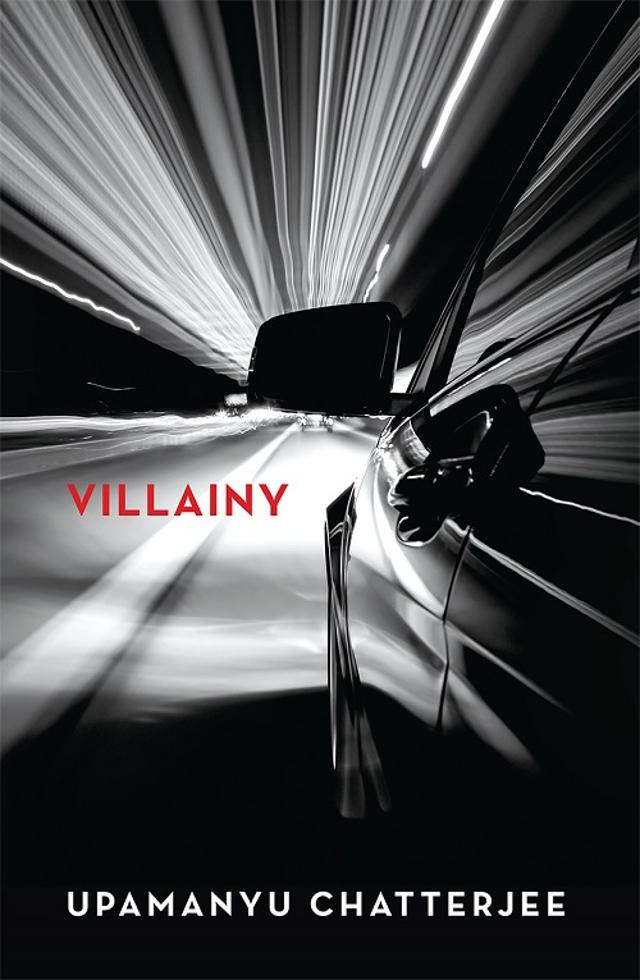
Young Pukhraj, high on liquor and drugs, pockets his father’s handgun (unlicensed) and commandeers his father’s Mercedes (licensed) for a joyride. On some road, a school bus tries to overtake him, and in the process, the Merc is grazed and its headlight smashed. Before you can spell “disproportionate response”, Pukhraj gets on the bus and shoots the driver dead with the handgun. To complicate matters, Pukhraj has passengers in the Mercedes – his father’s friend’s son and the boy’s puppy, whom he’d taken aboard for the ride. To stop them from escaping and talking to the cops, by way of encore, Pukhraj runs them over and shoots the boy dead. Eventually, Pukhraj is arrested, along with the remaining occupant of the car, his friend Parmatma, who is his father’s driver’s son. Parmatma had tried to save the boy and the puppy from Pukhraj’s unpredictable temper.
What happens next you might see coming; it seems to have been drawn from life. Pukhraj’s father, the rich jeweller Nemichand, bribes the presiding judge to let off his son by framing Parmatma. Money talks. Pukhraj is released as the evidence is deemed inconclusive. But Parmatma also goes free.
What do you know, but Pukhraj embarks on another drug-addled joyride and runs another man over, and is caught again. This time, he gets a full sentence from the same judge. He serves many years in jail. When he is released, the protagonists Parmatma and Durga, the sister of the murdered boy, must figure out how to save themselves from Pukhraj. What they fear is not his desire for revenge, which is absent, but rather his recklessness. What they do ends the story.
That’s the plot, which is fleshed out to be immersive and evocative. The novel lives up to its ‘thriller’ billing, delivering a narrative that is vivid and visceral. But the story is more than a thrill pill. Villainy points out the ubiquity and nature(s) of badness, flags the fact that a healthy sense of guilt and shame, friendliness and compassion are rare, and does all this without sermonising and moralising.
The atmosphere of the book, dark and memorable, is built through several scenes: Pukhraj’s family life, the murder scene, his tenure in prison, where his warped moral sense fits right in, and the casual villainy found in ‘polite society’. There are also scenes like the conversations between Parmatma and his father Atmaram that enliven the story with a warm familial atmosphere.
We get strikingly sharp depictions of the main characters. Pukhraj abuses alcohol and drugs, gambles away huge sums of money, has issues with father figures and lacks moral sense. When his mother visits him in jail, he says: “Everyone stinks, mummy, oof, how everyone stinks, their damn mouths smell like public toilets without water. It’s too unfair, just because I shot that smelly bus driver and that annoying little runt when I didn’t even mean to”. Dialogues like this one that illuminate the character without telegraphing the point home are in plenty.
“You did not shoot anybody, okay? Get that into your head, beta… Before convincing the judge, you have first to convince yourself, beta,” says Pukhraj’s mother, Ghazal, who is a habitual shoplifter and condones selfishness. As for her better (?) half, Pukhraj’s father Nemichand lusts after more and more wealth as well as “aggressive, bullying sex… preferably with tarts with rich tastes with whom he could drive some hard bargains”. We are told: “He (Nemichand) would have loved to forgive and forget him (Pukhraj) while he rotted somewhere for 20 or 30 years but ah well, such is life, reflected Nemichand to the tiny Ganesh, carved in sapphire and inlaid in gold, on his left ring finger. You slave and rise in the world only to spend your wealth on preventing a bahanchod, determined to sin, from taking you down with him”. There is not a smidgeon of moralising in all the characterisation, which drives home the fact that this family are not gangsters, nor comic book villains, they could be your neighbours. As pieces of work go, they are a metaphorical twenty-foot neon sign atop a tall building in a new moon night anchoring the story’s central mood – the widespread nature of villainy, its many manifestations.
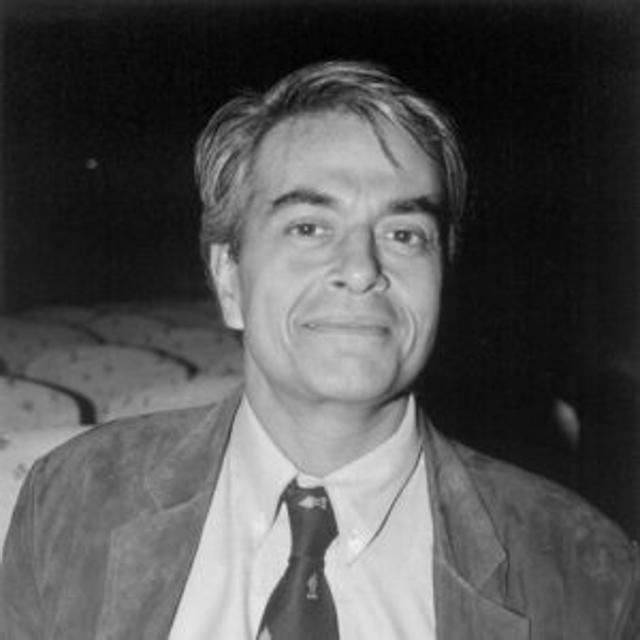
The novel’s protagonists are virtuous, though ambiguously so. There is the mainly honest youth Parmatma, whom Pukhraj’s family frames for his crimes. There is Durga, sister of the murdered boy, who strives to get justice in court. These youthful protagonists make you root for them. But even they have to eschew morality and legality to save themselves from Pukhraj once he gets out of jail. Parmatma and Durga (The names!) are underprivileged in some way. Parmatma is the son of a poor driver, Durga a girl whose power to gain justice, for most of the story, falls short till the right time and occasion.
Also deliciously fascinating are the side tracks and minor characters. Most of these are the denizens and inmates of the court and prison system. Villainy fleshes out the characters, and lets us spend enough time with them. These range from Judge Lodhi (another striking choice of name) who chooses to preside over Pukhraj’s case and schedules hearings with an eye towards the news headlines, to cops who are touts for the rich, to prisoners who are experienced at crime, and whose idea of kindness is to transmit their skills to young Pukhraj.
A few pages into the book, you might think the story is cynical, even despairing. But as you read on, what comes through is a thrum of righteous rage leavened by dark humour. This is far from cynicism. As for the ending, some might call it justice delivered and others retribution. Either way, we get a satisfying ‘click!’ of closure.
Suhit Kelkar is an independent journalist. He lives in Mumbai.


