
 E-Paper



Satoshi Yagisawa: “My books are more popular in India than in Japan”
At the Kerala Literature Festival, the bestselling Japanese author spoke about his love for second-hand bookstores and how they inspire him

 Prefer HTon Google


How do you feel about the immense popularity of your books in India?
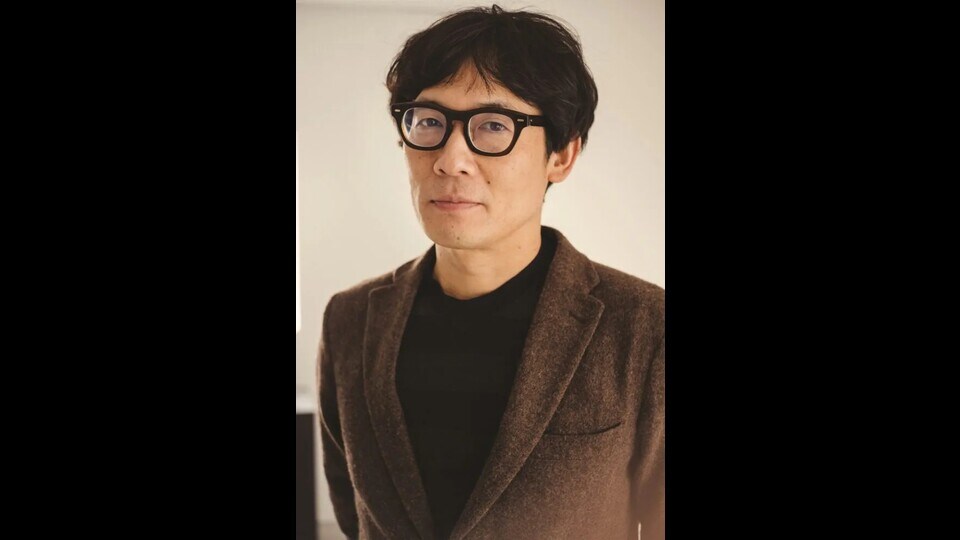
When I started writing the books, I didn’t think they would be this popular, especially in India. But even before I landed here, I learned from my editor and my team that the reception of my books here has been phenomenal. It’s such a faraway country, and you don’t really expect such a thing so it wasn’t until I arrived and met the readers and saw their response, that I realised the enormity of it. It’s slowly sinking in. In fact, I now realise that my books are more popular in India than in Japan.
Tell us about your relationship with second hand bookstores and Jimbocho, the neighbourhood famous for them.
Jimbocho is the neighbourhood where all the second-hand bookstores are, and it is also on my way home from work. I was inspired to write my first book, Days at the Morisaki Bookshop while walking there one evening. There used to be a woman living on the second floor of a bookstore and I thought it would be interesting to write a story about how a woman looks at her inner self for the first time in the world and how she evolves as a person. It was a really simple idea, but I decided to write a book based on that idea. And I wrote it in just a month.

Talk us through your narrative style and the healing quality of books that you have captured in your books
I’ve been going to Jimbocho and picking up books from there since I was 17-years-old. But while I started reading at a very young age, Takako (my protagonist in Days at the Morisaki Bookshop) was a woman in her twenties who had never read books. She hadn’t discovered books and the healing power of reading until she became an adult (when she came to live at her uncle’s bookshop) and when she felt stuck in life. In a way, the books that surrounded her, saved her and gave her a purpose. I too found my purpose in life through books, and I felt that I needed to write something that would make my readers feel the same way as I do about books.
Your book mentions several Japanese authors and their books. Who’s your favourite and why?
It’s difficult to pick a favourite but if I had to, I’d go with Natsume Sōseki because his writing is very rhythmic and easy to read even though it’s very layered. I am very inspired by his style and I wanted to imbibe the same style of writing in my books too.

Tell us about the Japanese café culture that inspired you to write Days at the Torunka Café?
Cafés in Japan are like small communities and the café culture is a bit old-fashioned. Old Japanese cafés are where old men go, sit and read the newspaper over a cup of coffee. That’s the kind of scene that I had in mind while writing this new book – soft spaces where people can just go and meet other people. It’s a community where everyone knows everyone and you bump into the regulars all the time, chitchat with them. I have always been drawn to places like that. I have enjoyed people-watching in such spaces and that inspired me to set the book in a café.One of my favourite cafés is in Yanaka, which has a setting very similar to the one in Days at the Torunka Café. I also like going to some cafés in Jimbocho.
You studied filmmaking in college. What inspired you to turn to writing?
I have always wanted to create something – whether it is with visuals or words. I did study filmmaking in college but when I thought about how I wanted to express myself, I realised I wanted to do so with words. So, I started writing little by little, moving on to writing novels and characters. The Morisaki Bookshop novels are my first full-length novels. Writing those books allowed me to express my interest in the inner lives of people, the growth of one’s soul, and to showcase how people grow through their experiences. I feel filmmaking is limiting in a way. I wanted to express myself to readers, and that’s why I chose words in books.
Arunima Mazumdar is an independent writer. She is @sermoninstone on Twitter and @sermonsinstone on Instagram.


