
 E-Paper



The pressure to be ‘good’: Controversy and women’s writing in India
Following International Women’s Day on March 8, here’s a list of figures whose words continue to have great power

 Prefer HTon Google


Many Indian women writers have found themselves mired in controversy with public calls being made to have their books banned. Of course, male writers too have faced the brunt with Salman Rushdie being the best example. But a curious forgetfulness sometimes occurs when it comes to women’s writing – something that Women’s Studies departments the world over are now attempting to correct. A public recollection of the outstanding work of Indian women writing in the vernacular, which has much greater reach than Indian English writing, will go some way towards honouring their words and work. Here’s a list of figures whose controversial words, some of which were uttered or written down many centuries ago, continue to have great power:
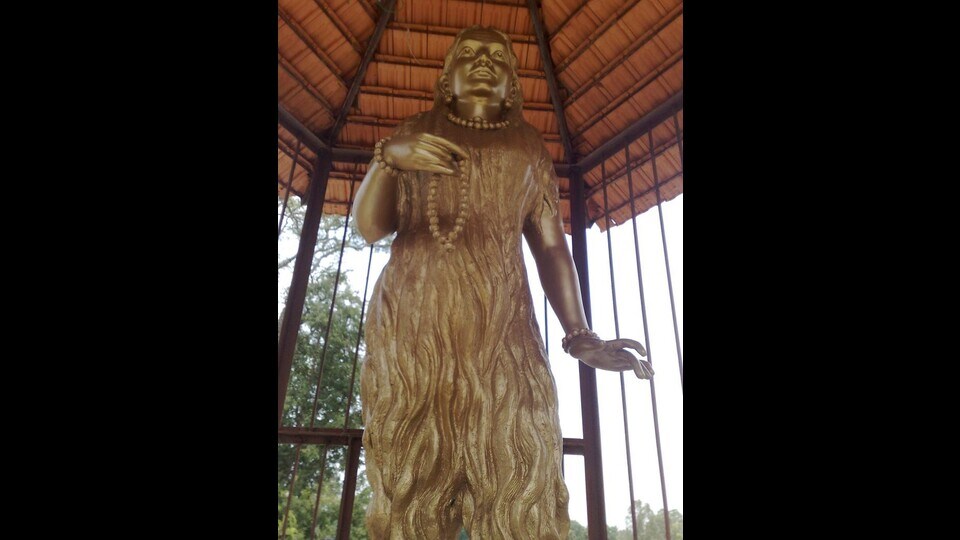
1. Mahadevi Akka, the ascetic 12th Century Kannada poet’s work used the female body as a metaphor. She was radical both in her words and deeds, leaving the private space of her home in search of God and also abandoning clothing. Madhusree Datta’s fictionalised documentary Scribbles on Akka (2001) explored this denial. For Akka, the shedding of clothes and wandering around naked in search of Lord Shiva (Chennamallikarjuna in Kannada) was a mark of protest against the sexual claims made on her body by the local king, who might or might not have been her husband. This was 800 years before American feminists of the Second Wave burnt their bras as an expression of their rebellion against patriarchy. Akka composed many poems, some spiritual and others sensuous, that, according to Dutta “challenged social norms and discarded traditional notions of femininity in ways explosive enough to shock both men and women of her time.”
Today, Akka inspires everyone from painters to papad makers with her rousing vachanas or poems. “We rarely encounter her kind of woman who is not afraid to live out, physically and spiritually, the courage of her convictions. Today, she is a presiding deity and an icon for many women, both among the educated and among the less fortunate,” Dutta adds.
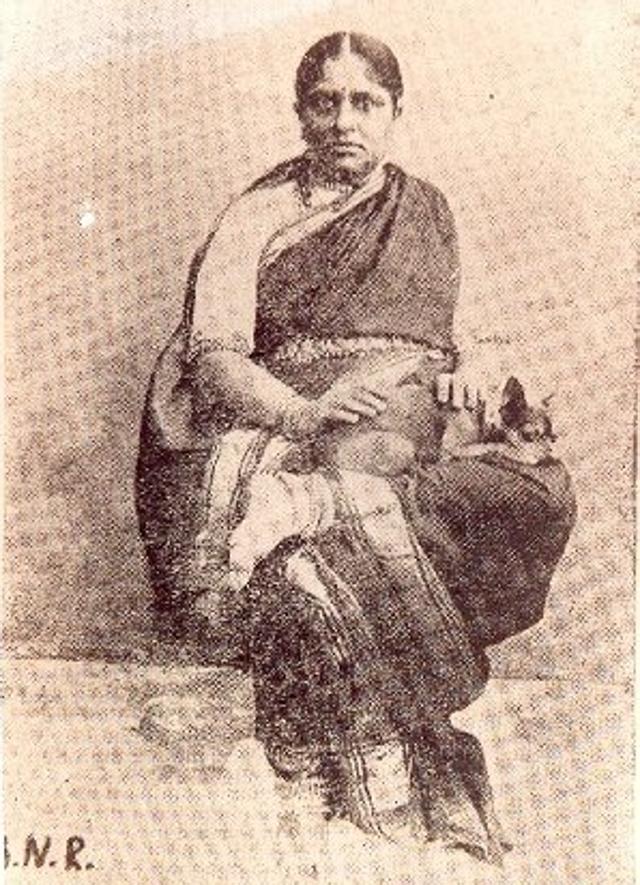
2. Muddupalani, an 18th century Telugu poet wrote Radhika Santwanam (Appeasing Radhika) translated in 1910 by Bangalore Nagaratnamma. “This long poem, brimming with rasa, was not only written by a woman but was one who was born into our community,” writes the translator (who belonged to the community of courtesans, court dancers and singers) adding, “I felt it necessary to publish it in its proper form.”
Men had a different take on her writing. Novelist Kandukuri Veerasalingam, father of the Telegu Renaissance, dismissed Muddupalani as “one who claims to be an expert in music, classical poetry and dance” and renounced her work. “This Muddupalani is an adulteress,” he wrote. “Many parts of the book are such that they should never be heard by a woman, let alone emerge from a woman’s mouth. Using shringara rasa as an excuse, she shamelessly fills her poems with crude descriptions of sex.” Not one to be silenced, Nagaratnamma wrote back that perhaps Veerasalingam considered modesty natural only to women.
However, the Establishment of the time was intent on silencing the poet and her translator and in 1911, the government seized all copies and charged the publisher with obscenity. The ban was lifted in 1947 and the book was reprinted in 1952 but copies were not easily available until the appearance in 1991 of Women Writing in India – 600 BC to the Present, edited by Susie Tharu and K Lalita.
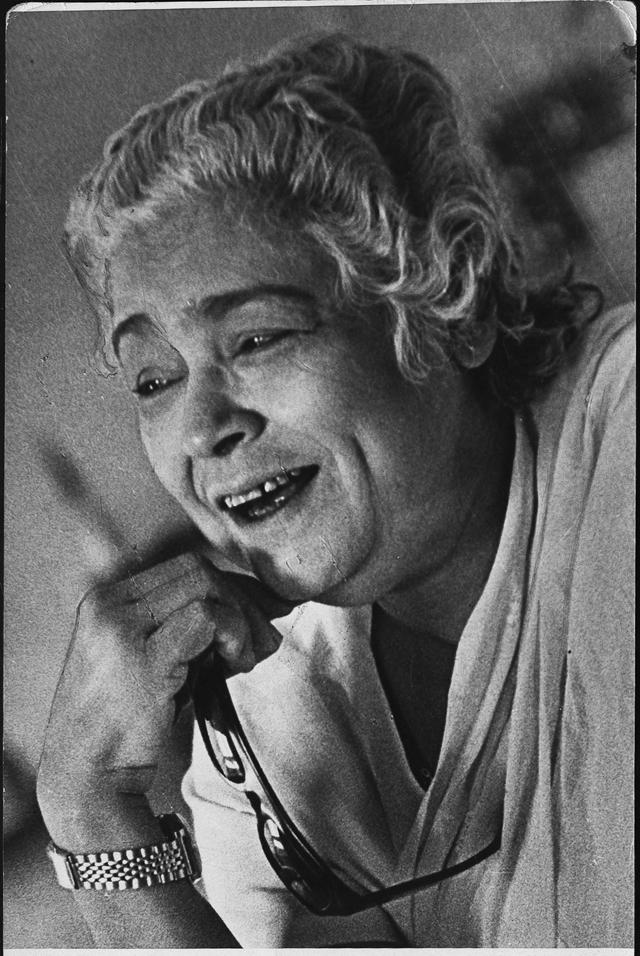
3. Ismat Chughtai, who wrote in Urdu, focused on female sexuality within contemporary South Asian Muslim settings. Her stories Angarey and Lihaaf were banned in the subcontinent as their reformist and feminist content offended conservatives. Some of her views, such as her belief that the niqab or veil should be discouraged as it is oppressive and feudal would be controversial in ultra conservative social circles even today. In 1944, Chughtai was summoned to court in Lahore as her celebrated short story, Lihaaf (The Quilt, 1942) published in the Urdu literary journal Adab-i-Latif, was considered obscene. Narrated from the point of view of a little girl, Lihaaf takes as its subject the relationship between the sexually-deprived begum of an aristocratic Muslim family and her maid. Chughtai chose to contest the case instead of apologizing and won.
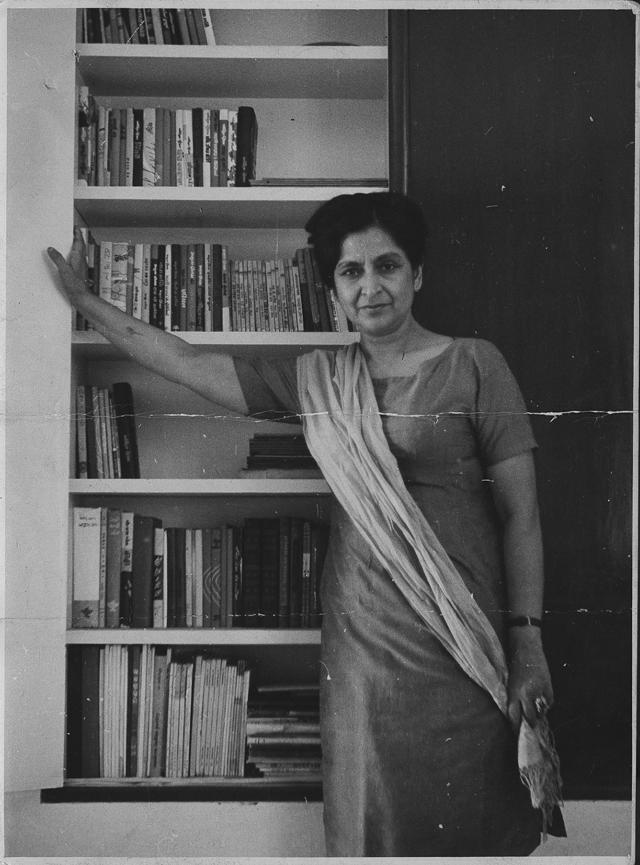
4. Beginning in the 1940s, Amrita Pritam became prominent as a political and feminist writer first in Punjabi literature and later in translations of her work in Hindi, Urdu and English. By the 1950s, like Simone de Beauvoir and Betty Friedan in the West, Pritam was redefining gender roles and narratives assigned to women. She ushered in a new wave of feminist literature in mid-20th century India even as she was criticised for her work by male writers from within the Punjabi, Hindi and Urdu publishing industries. This did not dim Pritam’s light and she eventually wrote over 100 acclaimed books of poetry and prose. Few other Punjabi writers have been able to match her cult status.
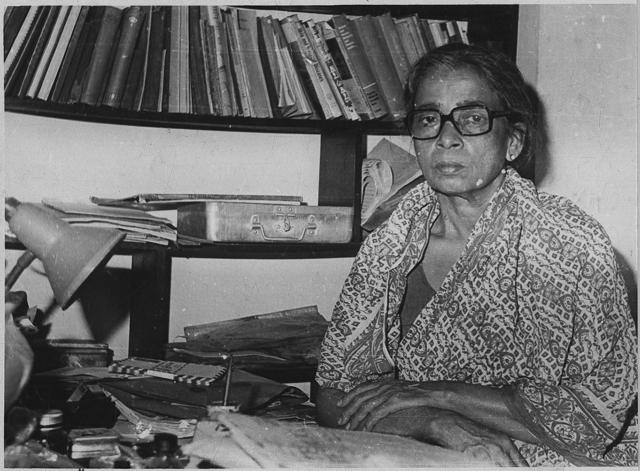
5. Mahasweta Devi wrote on the Santhals, the Oraons and other tribal communities in West Bengal. In Draupadi (1978), her retelling of the story of the wife of the Pandavas in the Mahabharata, the central figure, Dopdi, is a tribal woman, a rebel fighting oppression and social norms. Devi engages with the complicated politics of Bengali identity and Indian nationhood by setting her story against the Naxalite movement in the 1960s and the Bangladesh Liberation War. The story was dropped from Delhi University’s English Honours course in August 2021 indicating that even today, Mahashweta Devi, who stood for the rights of the oppressed and wrote stories of the subaltern, has the power to rattle the authorities.
The pressure to stick to the “accepted” norms of sexual propriety in writing has waned somewhat. Still, quite mysteriously each generation seems to quickly forget its brilliant women writers. It makes sense then, this Women’s Week, for contemporary readers to pledge to fight against that forgetfulness and to remember those brilliant Indian women writers whose words constantly provide us with new and alternate ways of viewing the world.
Shoma A Chatterji is an independent journalist. She lives in Kolkata
The views expressed are personal


