
 E-Paper



V Srinivas: “My fiction writing style is like that of a surgeon – cut and dry”
The uro-oncologist and author of A Tale of Two Friends on living in the Nilgiris and pivoting to writing fiction

 Prefer HTon Google


For many years you were a high-profile doctor in Mumbai, writing scientific papers and a standard textbook. What were the experiences or reading that nudged you towards becoming a writer of fiction?
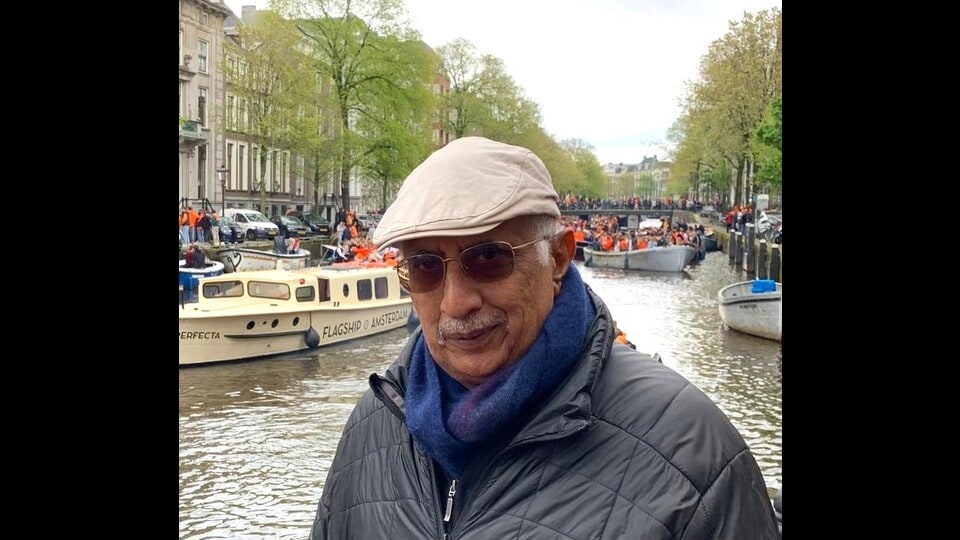
We had just started running a homestay, Raven’s Nest, in the Nilgiris, and one of our early guests was an editor at Oriental Blackswan. One day, while listening to the various adventures we had while building Raven’s Nest, such as transporting wood from a ship breaking yard in Gujarat, she suggested we write a book on our practical experiences as books on challenges faced in building a house in India are difficult to find.
Of course, this suggestion was directed towards my wife who is a journalist. However, the book was a non-starter. I tried reminding her about embarking on it several times, but was told to stop being a nag!
So, I decided to write the book myself. At about the same time, our apartment in Mumbai was facing some legal problems and possible demolition.
I hit upon the idea of combining these two events – building a home far away, while current home faces demolition. That’s how my first novel A Tale of Two Homes was conceived. And then I just continued with the A Tale of Two… genre in my next two books.
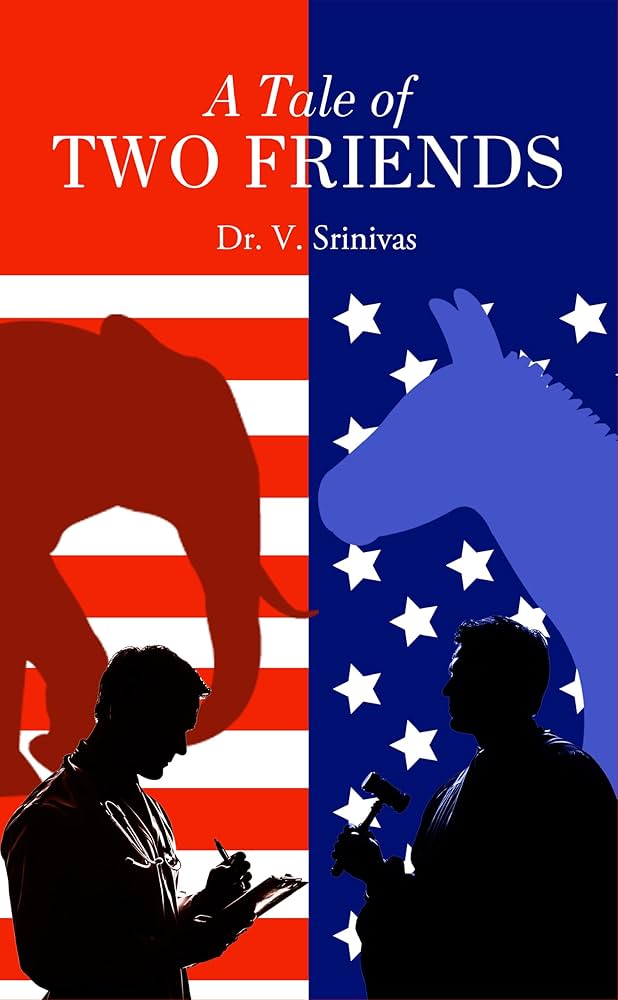
How much of your protagonist – a south Indian urologist like you – flowed naturally from familiarity, and where did you have to consciously pull away from your own life?
In A Tale of Two Friends just a few incidents that I faced in school and at college are woven into the story. However, in my previous book, A Tale of Two Medics, a number of medical facts and personal incidents were transformed into fiction as that book deals with ethical and unethical medicine.
The book engages closely with racism, immigration anxieties, and political polarisation in the US. Were these themes triggered by particular incidents you witnessed, or by conversations that stayed with you?
In May 2025, while visiting my elder daughter in Berlin, I had a lot of free time. I used to regularly call up my younger daughter in Vancouver and keep asking her about the latest goings on in her life as she was regularly auditioning for film roles. Finally, she got fed up and said, “Dad why don’t you get a life!”
So then, I turned my attention to the US news, which had a new twist to it on a daily basis (tariffs, Canada being the fifty-first state, illegal immigration detentions etc). That’s when a new idea sprang up and I started writing about two friends who moved to the USA and began having ideological differences at a later stage in life. I did not know where the story was heading, but kept writing a short chapter every day, weaving in whatever news item was the flavour of the day in USA. By the time I got back to India in mid-June, I had finished writing the book.
You divide your time between Mumbai and the Nilgiris – two very different worlds. Has moving between these spaces altered the way you think about power, privilege, and belonging as a writer?
Not really. Before Covid, I used to work in Mumbai and operate for the first three weeks of the month and then go and relax in the hills for the last week. After Covid, I now spend three-four weeks in the hills and only one week a month in Mumbai to see my old patients and any new consultations. No major surgery now and I don’t miss it.
In the hills, I relax, take long walks, breathe fresh air, develop new friendships and realise how fortunate I am to have the opportunity to enjoy this lifestyle.
Having written medical textbooks, research papers, and now three novels, what does fiction allow you to explore that medicine never quite did?
My fiction writing style is like that of a surgeon: cut and dry or black and white with not many grey areas!
That’s why my chapters are not too long. Once I have decided and completed a chapter, I don’t go back and do drastic chopping and alterations. Like I tell most of my friends, once you open up a person, you have to know precisely what you are doing and there is no time to fiddle around. So, I suppose I have followed these same principles in my fiction writing for better or for worse!
What are you working on now? Does your next book take you into familiar territory, or somewhere new?
When people ask what is your next book ? I have a standard answer: A Tale of Two Wives. But since I have not found a second wife nor have I left my first one, that book is a non-starter!
Saaz Aggarwal is the author of Sindh: Stories from a Vanished Homeland and Losing Home Finding Home.


