
 E-Paper



Zara Murao picks her favourite read of 2022
Looking into the future to see where we and our machines are headed and offering a small and beautiful solution to mankind’s impossible problems

 Prefer HTon Google


If we looked at natural resources the way we look at money, we’d be far more alert, more alarmed. The rare earth metals account is fast depleting; food is still seeing deposits but withdrawals remain too high; the groundwater account is in crisis; fossil fuels aren’t just crashing, they’re dragging other accounts down with them. If the planet were an investment bank, there’d have been a freeze on all activity decades ago, and emergency bailout plans would be in place. Instead, Earth’s resources are being managed only in the loosest sense of that term. The hope is that humankind’s innovative genius will win out; that together, man and technology will eventually whip out a fifth ace and somehow trump physics.
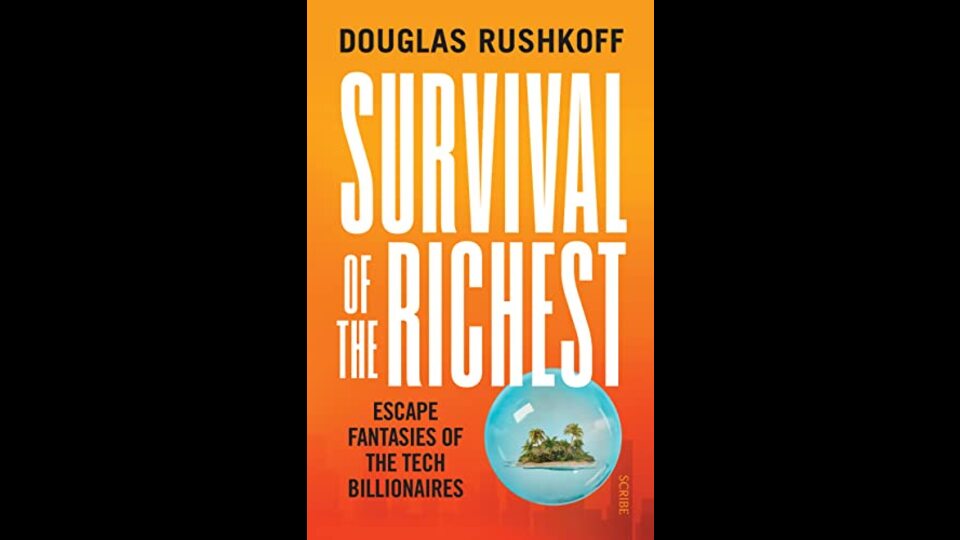
In his book, Survival of the Richest: Escape Fantasies of the Tech Billionaires (Scribe; 2022), Douglas Rushkoff lays out why this is a false hope that even those peddling it don’t buy. They’re privately making getaway plans.
What would it take to create tiny bases on Mars? Would New Zealand or Alaska be the safest bet on Earth? How would they eventually safeguard their resources against, say, the guards and workers within their fortified compounds? These are the questions Rushkoff was asked at a private meeting in a remote desert resort, organised by a small group of billionaires looking to pick his brain. They’re gamifying the end of the world; they’re not going to be the ones to save it, Rushkoff argues.
Taking off from that meeting, he uses this book to explore the Mindset that led us here. He traces it to the Age of Enlightenment, which placed science on such a pedestal that it divorced civilisation from nature, and from anything (community; coexistence; morality) that could not be observed and quantified. This laid the ground for capitalism’s “ethos of extraction”, with its emphasis on infinite growth and profit over planet or people.
In the tech age, the goal moved even farther from the original idea of settled, cohesive communities. The aim now was disruption; “creative destruction”. Technosolutionists now control the narrative, with a small group of individuals wielding unprecedented amounts of financial, social and political power.
Rushkoff is no love-is-the-answer hippie. He was named one of the world’s most influential intellectuals by MIT. He’s a columnist and lecturer on technology, media and popular culture. His area of expertise is looking into the future to see where we and our machines are headed. So to hear him say that we’re going to hell in a hand basket if we don’t rapidly unlearn, can be jarring. It also makes for a gripping, enlightening read.
Is this the end then? Rushkoff argues it is not. Must we revert to some version of a paleo lifestyle? He argues not. What then is the answer? Small, community-level living, to begin with. We still have enough, he says, if we start by slaying the siren of infinite growth.


