
 E-Paper



Slipping on a comma and crossing the fine line between being a grammar stickler and a jerk


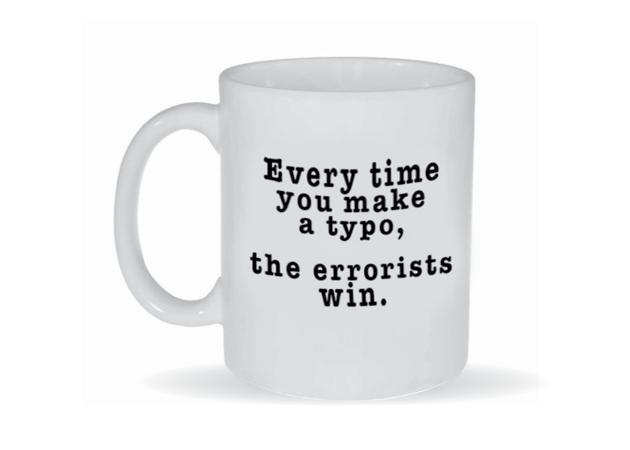
Grammar and punctuation are important, but people even more so
Every now and then I receive memes from old friends highlighting apostrophe catastrophes and suchlike indiscretions. They’re generally funny and always make me think: Am I a grammar jerk? The kind that obsessively corrects people’s punctuation and pronunciation? Then I remember, I do. But it’s only in my mind. It’s unfortunate that good friends can look into my brain and see the struggle. In my defence, I may be grammar-sensitive but I fall short of jerk status. And here’s why.
English Medium
To begin with, it’s not about English. I’m equally sensitive about transgressions in Hindustani. The misplaced nuqtas, the mixed up Js and Zs. But language is such an indicator of class, and our anxieties around it, that any conversation around “correct” usage throws up complicated issues. The point was subtly and impactfully communicated in that lovely little film, English Vinglish (2012). Further back in time, my college professor, the author and poet Eunice de Souza, once chastised us English literature undergrads saying, “Just because you speak English a certain way, it doesn’t make you smart. And I’ve heard you speak; you make mistakes all the time.”
The Indian obsession with speaking English, not so much correctly as quickly, is too well known for me to discuss here. We call education a “silver bullet” in the complex social structure of India, but we’re actually referring to English language skills. When the English Education Act of 1935 decreed Indians be educated in a Western curriculum, in English, it decided not just an educational but a cultural course. The colonial hangover persists well into the post-Brexit age. Another important little film, Hindi Medium (2017), recently reminded us how absurd upwardly mobile Indians are in their obsession with a “certain kind of English” and the social status it represents.
Sewage treatment plant
As someone whose livelihood depends on words, there’s another side to this argument. Though I’d much rather my copy-editing days were behind me, I still find myself sucked into the dark and airless world by friends and family. Hardly a day goes by when I’m not looking at someone’s wedding invitation or garage sale pamphlet, mission statement or emotional WhatsApp. At one point, I used to call myself a sewage treatment plant, tasked with making all kinds of copy readable. I know this sounds self-aggrandising, but if at the end of three years of editing cricketing websites you still get a copy that says “batting and balling”, you allow yourself the extravagance.
If you’re in the business of words, you ought to be judged by them. If a writer sends out cringe-worthy copy, or a copy-editor is blind to grammar, that’s grounds for derision. In Muriel Spark’s memorable A Far Cry From Kensington, she called one insufferable writer a “pisseur de copie” – French for someone who leaks prose. I can think of so many names on bestseller lists who do just that, while those who “speak the right kind of English” are blind to its glaring horrors.
Mind your laughter
So here’s the thing. Grammar and punctuation are important, but people even more so. When the teacher misspeaks and the students laugh, or when a colleague mispronounces a name and it turns into an in-joke: it’s cruelty. But if you spot sloppy writing on a fancy billboard or in a pompous speaker, it’s fair game. Eats, Shoots & Leaves, Lynne Truss’s comic romp through language misdemeanours, was great fun to read. But in a country like India, where English is one language of many, and social hierarchies are frequently determined by how we speak, it’s best to check one’s laughter. Let it never be directed towards the powerless.
As a universally acknowledged grammar jerk, I open myself up to especially cruel laughter when the inevitable error creeps into my own speech or writing. The other day, I typed “whether” instead of “weather” on a WhatsApp group chat. Before I could correct my mistake, three responses had been shot off by hawk-like friends with barely concealed delight. Your so mean guyz its not funny.
From HT Brunch, January 6, 2019
Follow us on twitter.com/HTBrunch
Connect with us on facebook.com/hindustantimesbrunch


