E-Paper



GST launched in India: A look at tax rates and how it will impact your basic expenses
The GST is meant to boost growth and scrap local taxes that add to overhead costs and stymie businesses.
Updated on: Jul 6, 2017, 09:58:25 IST

 Prefer HTon Google
Share via


Copy link

In the making since 2000, the Goods and Services Tax (GST) comes into effect from July 1.
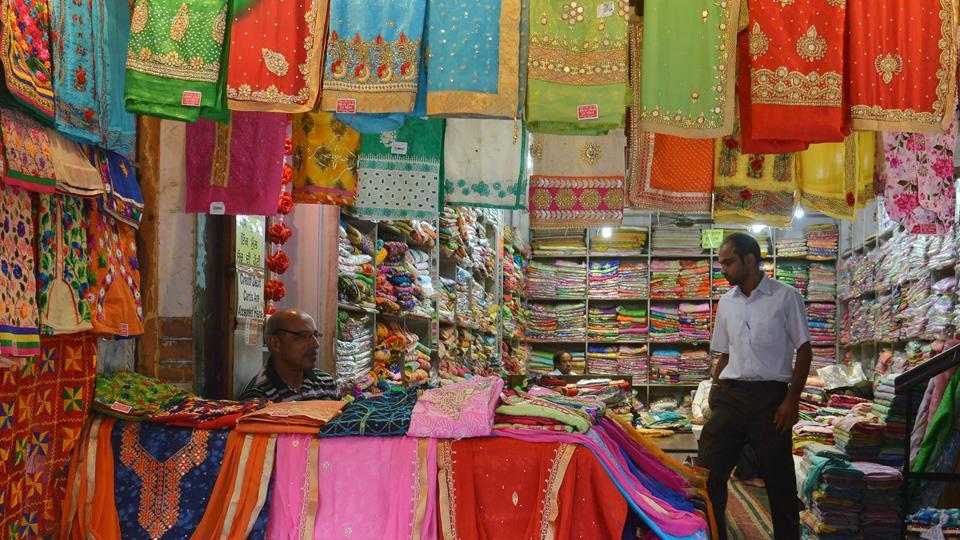
Touted by the government as the biggest tax reform since Independence, the GST is meant to boost growth and scrap local taxes that add to overhead costs and stymie businesses.
In these 17 long years, GST has undergone several conceptual changes to finally emerge as a multi-rate tax structure, which economists believe will undermine the advantages that a simple-structured, uniform indirect tax would have affected.
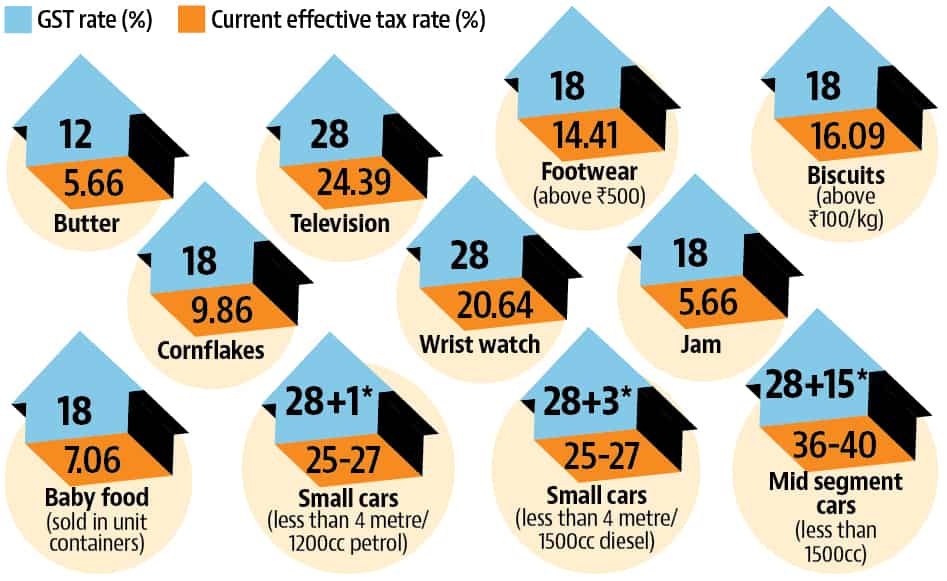
Foodgrains, cereals and vegetables have been zero rated under GST, other rate slabs are 5%, 12%, 18% and 28%. A cess will also be added to certain sin and luxury products.
Here is a look at the different tax rates and how it might impact you: