
 E-Paper



Pound falls as optimism fades in last-ditch Brexit negotiations
Hopes that the EU and UK can reach a deal boosted the pound by about 8% against the dollar since June through the end of last week, with traders assuming that negotiators would reach a last-minute resolution after more than four years of Brexit drama.


The pound declined the most in three months as investors questioned how close Britain and the European Union really are to sealing a trade agreement.
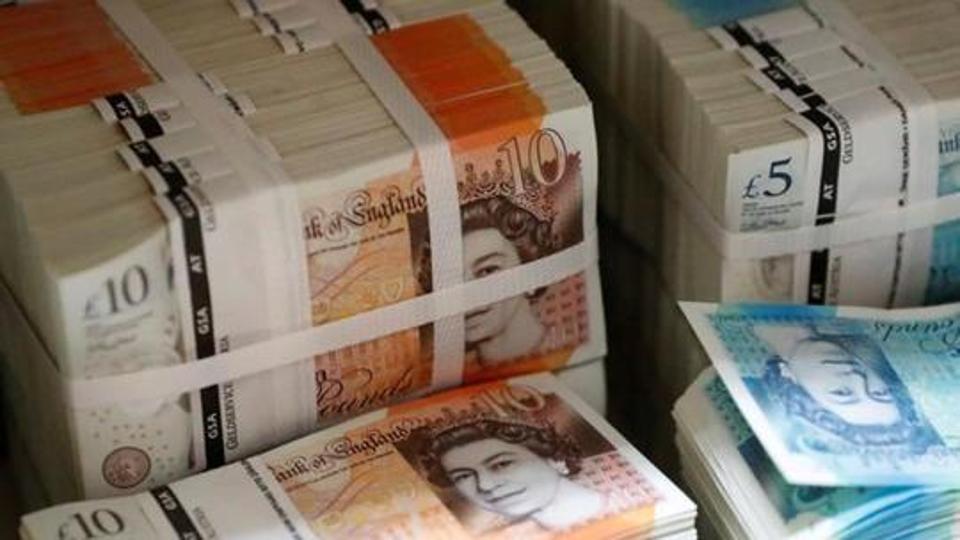
It retreated as much as 1.6% and government bonds advanced after a British official warned that talks could collapse in the next few hours if no progress is made. The two sides are still at odds over their longstanding disagreement over fishing.
Traders had speculated on a weekend deal, but pessimism is solidifying, with the relative cost of hedging a weaker sterling over the coming month staging its longest advance in 17 years.
Money markets briefly priced in an interest rate cut to 0% by November, before pushing bets for a move back out to February 2022. And the FTSE 100 benchmark index, which has a negative correlation with the pound, rose as much as 0.4%, while the Stoxx Europe 600 fell as much as 1%.
“At some point everyone has to say the risks are too high to hold any exposure with this yo-yo of optimism and pessimism,” said Jordan Rochester, a currency strategist at Nomura International Plc. “The risk now is that optimism turns to pessimism and we have to hedge for a no-deal Brexit.”
Hopes that the EU and UK can reach a deal boosted the pound by about 8% against the dollar since June through the end of last week, with traders assuming that negotiators would reach a last-minute resolution after more than four years of Brexit drama. That sent the pound to a two-year high of $1.3539 on Friday.
Yet traders are getting jumpy, with the cost of insuring sudden moves in the pound in the coming week reaching its highest since early April. Many investors expect an agreement, which leaves the currency vulnerable to any setbacks that could undermine that assumption.
The pound could rise 2% to 3% on a deal, but failure to reach agreement could see the currency drop as much as 8%, said Lee Hardman, a currency analyst at MUFG.
Sterling traded down 1.2% to $1.3276 as of 10:30 a.m. in London, while the euro rallied as much as 1.3%, its biggest jump in three months, to 91.37 pence. The yield on 10-year bonds slipped five basis points to 0.30%.
Despite Monday’s turbulence, investors aren’t pricing out a deal just yet.
“It’s just the latest in a series of swings which will eventually culminate in a deal and push the pound higher,” said Neil Jones, the head of foreign-exchange sales to financial institutions at Mizuho Bank. “Just not right now.”


