
 E-Paper



Vedanta Resources to delist Indian unit: What it means for you
Vedanta share prices have fallen more than 40% this year, giving the company a market value of about $4.4 billion.


Vedanta Resources Limited said on Tuesday it wants to delist its Indian unit Vedanta Ltd from all exchanges where its shares are listed, as it looks to accelerate simplification of its corporate structure amid the coronavirus crisis.
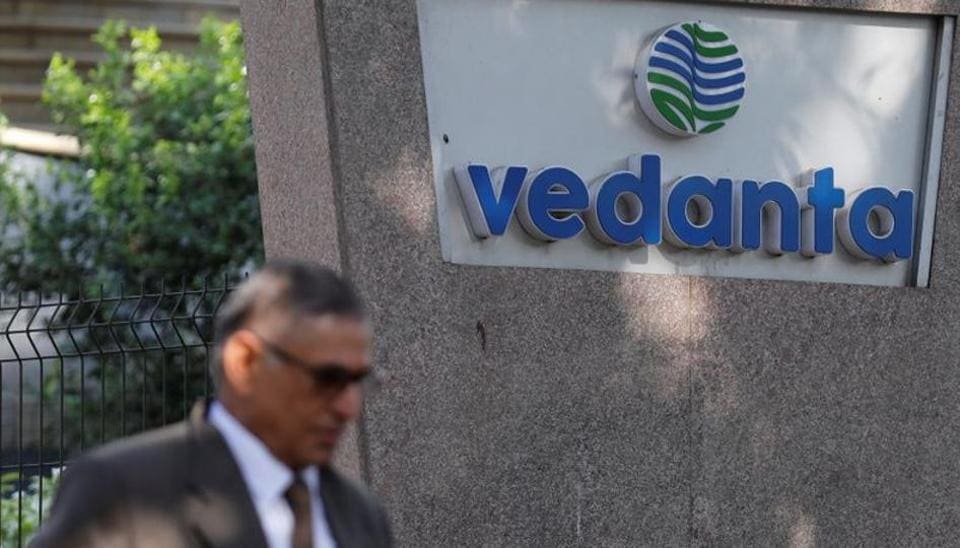
The company, led by billionaire Anil Agarwal, said it was willing to accept shares tendered in the offer at ₹87.5 ($1.16) per equity share, which represents a premium of 9.9% over Monday’s closing stock price.
Also read: Vedanta trims gains after shares jump 10% as founders plan to delist firm
Vedanta share prices have fallen more than 40% this year, giving the company a market value of about $4.4 billion.
What did the company say?
Taking the company private is the “next logical step” in its simplification process and will provide more financial flexibility, Vedanta said in the statement.
“Due to the impact of Covid-19 pandemic, we have accelerated the strategy in this challenging environment,” Agarwal said in the statement. “The proposed transaction will transform the group’s credit profile while offering a fair exit price to minority shareholders,” he said.
Also read: Billionaire Anil Agarwal explores buyout of Vedanta
Vedanta is working with JPMorgan Chase & Co on the plans and the bank is helping the company raise financing for the deal.
How will it help the company?
The miners Indian unit’s delisting will provide Vedanta Resources, which owns a 36.8% stake in the unit, with enhanced operational and financial flexibility, as well as “transform” its credit profile, the holding company said.
The delisting is also expected to support an accelerated debt reduction program in the medium term.
What does it mean for investors?
The proposed delisting, according to the exchange filing, will offer Vedanta Ltd’s public shareholders an opportunity to realise immediate and certain value for their shares at a time of elevated market volatility.
According to the delisting regulation, it will be determined in accordance with the reverse book building mechanism, a process used for efficient price discovery.
Has this happened before?
The group has in the past merged Sterlite with Sesa Goa to form Sesa-Sterlite in 2012, Cairn India with Vedanta Ltd in 2016 and delisted Vedanta Resources in 2018.
Agarwal’s Volcan Investments Ltd has in the past taken his London-listed Vedanta Resources Ltd private as the entrepreneur sought to simplify the corporate structure of his resources group.
The self-made billionaire had said at that time that a London listing was no longer necessary for the company thanks to “the maturity of the Indian capital markets.”
(With agency inputs)


