
 E-Paper



Relief in sight for debt-laden banks?
Banks struggling under a mountain of loans gone bad, could soon get a breather as RBI is looking at a proposal to classify a part of the sticky debt as standard loan rather than as non-performing asset.


Banks struggling under a mountain of loans gone bad, could soon get a breather as RBI is looking at a proposal to classify a part of the sticky debt as standard loan rather than as non-performing asset.
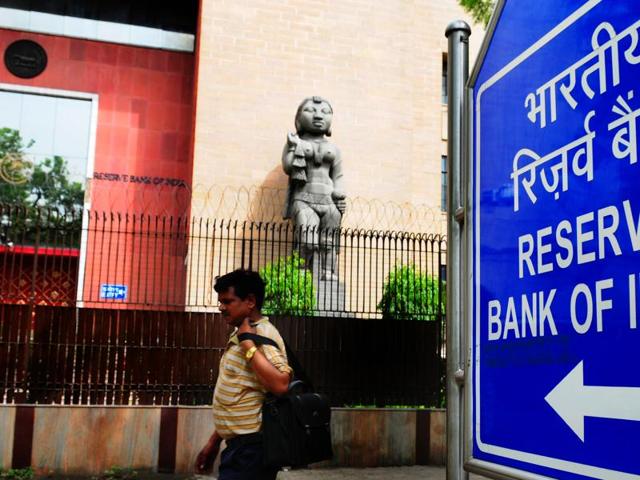
The central bank is exploring options of tweaking norms in the S 4 A or the Scheme for Sustainable Structuring of Stressed Assets, a debt restructuring plan formulated by RBI in June, sources in the know said.
The purpose is to allow more room to manage chronic bad debt which are impacting banks’ profitability, apart from tightening credit to flow into the system.
Gross NPAs of public sector banks have risen to Rs 5.59 lakh crore in June from Rs 5.02 lakh crore in March this year.
Banks are awaiting more details on the changes. Under S 4 A, banks could convert up to 50% of a company’s unsustainable part of loans into equity or equity-like instruments without the need to find buyers immediately. On its books, however, the loan continued as a non-performing asset (NPA). With the new norm, the sustainable debt portion will become a standard debt and not a NPA.
“This means there will be less need for provisions and banks will be able to further work on resolving the sustainable debt portion which is a huge pool on their books,” a senior bank official said. “At least 50% of the debt will now not be an NPA, which can be serviced by companies in a relatively easier way as it can be in a better position to get more support in the form of moratorium or relief on interest rates.
“Otherwise everything came to a standstill for companies, which had to work around the debt repayment. A lot of projects also did not achieve the COD (commercial operation date) and hence were not eligible,” he said.
The move is in line with RBI governor Urjit Patel’s recent statement that debt restructuring proposals needs to be more “pragmatic.” Since banks and companies have been unable to resolve the bad loan mess due to the reluctance of banks to take a ‘haircut’, the proposed change could serve as an incentive for them to resolve the situation.
Nirmal Gangwal, managing director of Brescon Corporate Advisors, a turnaround and advisory firm, said: “This (the proposed changes) will give relief in terms of classification for banks but not to corporates. Bankers may still be under pressure due to the balance unsustainable portion which could be huge. RBI has to think of an overall solution for an overall problem and come out with guidelines after each problem.”
The S4A has been a non-starter since its launch in June, as it could be applied to only operational projects and not to projects under construction.


