
 E-Paper



Angela Merkel's ally Floats tweak to debt limits to fund pandemic fight
Chancellor Angela Merkel’s chief of staff proposed temporarily adjusting constitutional rules to allow expanded new borrowing by Germany’s federal government, prompting a swift rejection from his own party’s budget spokesman.


Chancellor Angela Merkel’s chief of staff proposed temporarily adjusting constitutional rules to allow expanded new borrowing by Germany’s federal government, prompting a swift rejection from his own party’s budget spokesman.
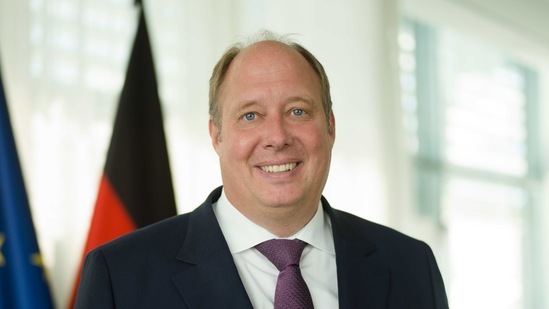
Helge Braun, who runs Merkel’s office, wrote in a German newspaper Tuesday that the country’s so-called debt brake should be altered to allow more debt to help offset the impact of the coronavirus on Europe’s biggest economy. The brake -- designed to prevent new borrowing exceeding 0.35% of economic output -- was already suspended for 2020 and 2021, with Merkel’s government making tens of billions of euros available to help businesses hurt by the pandemic.
At the same time, Braun said there should be a mechanism for reducing new borrowing progressively “in the coming years” and a “clear date for the return to compliance with the debt rule,” which he said is “indispensable for Germany and an obligation to future generations.”
“The debt brake cannot be adhered to in the coming years, even with otherwise strict spending discipline,” Braun wrote. “Given the experience of the European sovereign debt crisis and the financial impact of the pandemic on national budgets in Europe, this is not an easy decision.”
Braun’s proposal was immediately shot down by Eckhardt Rehberg, budget spokesman for Merkel’s CDU/CSU parliamentary caucus. Rehberg dismissed Braun’s comments as a “personal opinion” and said the caucus firmly backs the debt brake and “solid finances are non-negotiable.”
“It is deceptive to assume that current low or negative interest rates are permanent,” Rehberg said in an emailed statement. “If interest rates rise again, high debt means high risks for future budgets.”
Germany’s political parties are positioning themselves for the post-Merkel era -- the chancellor will step down after September’s election -- and borrowing rules will be at the center of the debate over how to secure high levels of investment in environmental and technological change while keeping debt under control.
The Greens, seen as the most likely coalition partner for the CDU/CSU after the vote, have also called for a loosening of the debt brake and want to bring it to the table in any negotiations on forming a government.
Finance Minister Olaf Scholz, who is the Social Democrat chancellor candidate for the election, has said the government aims to restore the borrowing limits in 2022, while also making clear that there are budget holes in coming years which will need to be plugged.
New federal debt was just over 130 billion euros ($158 billion) last year, and is set to rise to as much as 180 billion in 2021.


