
 E-Paper



Are you eating safe mangoes? FSSAI warns traders against calcium carbide dangers
FSSAI has warned traders operating ripening chambers to strictly comply with the prohibition on using calcium carbide, especially during the mango season.

 Prefer HTon Google


The Food Safety and Standards Authority of India (FSSAI), the central food regulatory body, on Saturday issued a fresh warning to traders against using calcium carbide for artificially ripening mangoes, citing serious health risks.
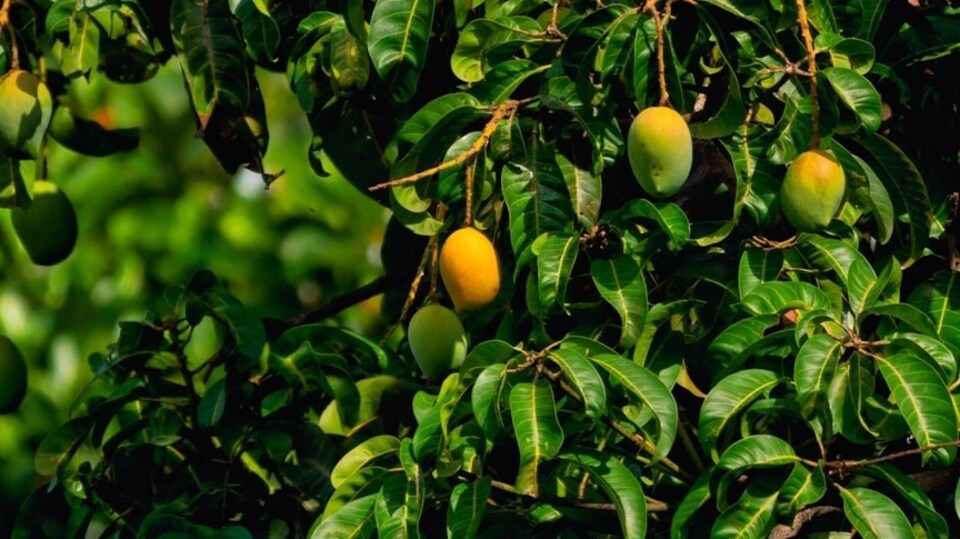
The FSSAI has alerted fruit traders, handlers, and Food Business Operators (FBOs) operating ripening chambers to strictly comply with the prohibition on using calcium carbide, especially during the mango season.
ALSO READ- Why Alphonso mango season ends early in Ratnagiri?
What is harmful impact of calcium carbide?
Calcium carbide, used to ripen fruits like mangoes, releases acetylene gas containing harmful traces of arsenic and phosphorus. Known as ‘Masala’, these substances can cause dizziness, frequent thirst, irritation, weakness, difficulty in swallowing, vomiting, and skin ulcers. Acetylene gas is also hazardous to handlers, and residues of arsenic and phosphorus may remain on fruits.
"No person shall sell or offer or expose for sale or have in his premises for the purpose of sale under any description, fruits which have been artificially ripened by use of acetylene gas, commonly known as carbide gas," states the Food Safety and Standards (Prohibition and Restrictions on Sales) Regulations, 2011.
ALSO READ- Raw mango vs ripe mango, which is better for your health?
Which ripening agent is permitted?
FSSAI permits the use of ethylene gas as a safer alternative for fruit ripening. Ethylene gas, at concentrations up to 100 ppm, is a natural hormone that regulates ripening. It triggers the natural ripening process until the fruit produces ethylene in substantial quantities.
Additionally, the Central Insecticides Board and Registration Committee (CIB & RC) has approved Ethephon 39 per cent SL for uniform ripening of mangoes and other fruits.
ALSO READ- FSSAI responds to media reports on high pesticide residue in Indian herbs, spices
How to spot mangoes rippened with calcium carbide?
1. Buy from Trusted Sources: Purchase fruits and vegetables from known sellers, reputed stores, or dealers who claim their produce is not ripened with harmful or banned chemicals.
2. Thorough Washing: Wash fruits thoroughly with running potable water before eating to remove any potential surface contaminants.
3. Avoid Black Blotches: Steer clear of fruits with black blotches on the skin, as these are likely ripened with acetylene gas from calcium carbide.
4. Check Texture: Be cautious of mangoes and other fruits with uniformly coloured textures, as this is a sign of possible chemical ripening.
5. Smell and Shelf Life: Be aware that adulterated fruits may have a slightly pungent smell and a shorter shelf life, often indicating the use of calcium carbide for ripening.


