
 E-Paper



Big tech-news publishers' economic imbalances must be addressed: HT Digital CEO
Taylor Owen, Beaverbrook chair in media, ethics and communication at Canada’s Max Bell School of Public Policy, Courtney Radsch, fellow at UCLA Institute for Technology, Law and Policy in the US, and Paul Deegan, president and CEO of News Media Canada, brainstormed ways to build better, fairer, and more fruitful partnerships between tech giants, such as Google and Facebook, and the country’s news publishers.

 Prefer HTon Google


Experts from Canada and the US, along with CEOs of India’s top news publishing businesses, including HT Digital, discussed ways to decode the publisher-platform relationship in Friday’s second Digital News Publishers Association (DNPA) Dialogues conducted virtually on Friday.
The event saw five panellists brainstorm over various challenges being faced by the news media industry vis a vis big tech companies. The News Media Bargaining Code, which is in the works in Canada, has generated interest in other parts of the world, including India. Many consider it an improvement over a similar code that was rolled out in Australia last year.
Taylor Owen, Beaverbrook chair in media, ethics and communication at Canada’s Max Bell School of Public Policy, Courtney Radsch, fellow at UCLA Institute for Technology, Law and Policy in the US, and Paul Deegan, president and CEO of News Media Canada, brainstormed ways to build better, fairer, and more fruitful partnerships between tech giants, such as Google and Facebook, and the country’s news publishers.
“Big Tech companies need to support broad, equally distributed journalism funds, or they can abide by these legislative efforts that are forcing them into more accountable deals with a broader range of publishers,” said Owen.
Owen also spoke on the need to improve the relationship between digital news publishers and big tech platforms and how Canada’s upcoming news media bargaining code can be a major lesson for authorities and stakeholders in India.
According to experts, Canada's bill, which empowers the Canadian radio-television and telecommunications commission to oversee the publisher-platform relationship, negotiations, and the revenue-sharing deals they strike, is a big improvement of the Australian code. They believe it has the element of transparency, something that authorities and stakeholders in India would want to take note of.
"Google has developed a strategy to divide publishers against each other… In Canada, the journalistic labour is subsidized by either the federal government or the platforms via this code," Owen added.
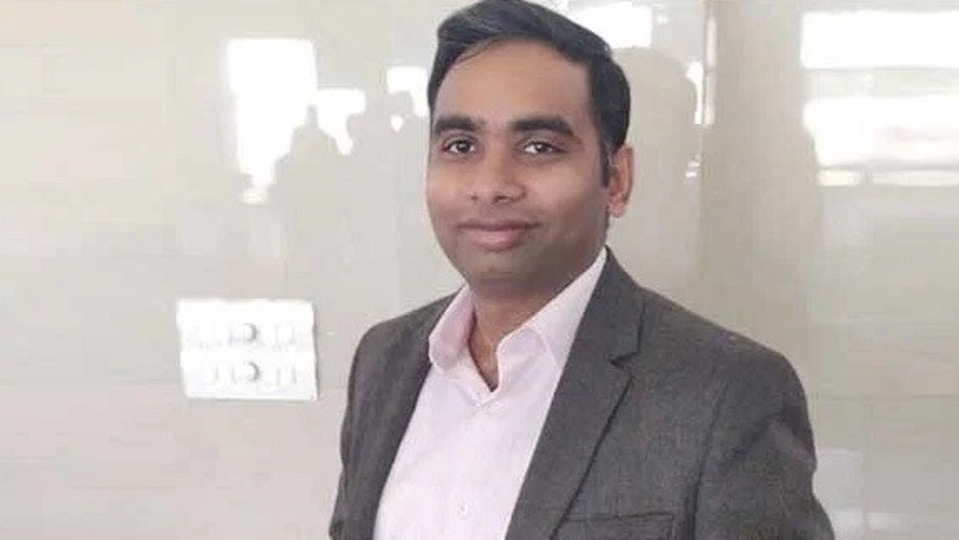
Puneet Jain, CEO of HT Digital, and Avinash Pandey, CEO of ABP Network, highlighted the debate in countries around the world on the need to democratise the relationship between big tech companies such as Google and Meta on one hand, and domestic digital news platforms on the other.
On being asked about the way forward for the relationship between publisher and tech.
“As we understand from the development in the world, the economic imbalances must be addressed. We continue to engage with big tech and government participants to come to a common ground," Jain said.
Advocating the need for a global legislation, Deegan said, "The need for a strong independent press is more than ever… it keeps us connected to the government and it's important that we hold these institutions accountable."
The power imbalance between the platform and publishers is huge, Deegan added.
Google and Facebook have been opposing the Canadian bill.
Radsch said Meta-Google Duopoly controls the digital advertising market and garners a significant portion of advertising revenue.
“Greater transparency will result in media sustainability," she said, adding that every law should be designed to protect editorial independence.
The DNPA Dialogues were recently launched amid that ongoing debate to explore ways to understand and constructively resolve publisher-platform issues, from the transparency of operations to the sharing of revenue.
The DNPA is a New Delhi-based independent advocacy body representing the digital arms of 17 top news media businesses in India, including Hindustan Times, Dainik Jagran, Dainik Bhaskar, Indian Express, Malayala Manorama, ETV, India Today Group, Times Group, Amar Ujala, , Zee Media, ABP Network, Lokmat, NDTV, New Indian Express, Mathrubhumi, Hindu, and Network 18.


