E-Paper



Budget 2026: STT hike on F&O trading – What that means for your ₹10 lakh
The intent of the STT hike in Union Budget 2026 is to moderate the “unchecked explosion” of retail gambling in the stock market.

 Prefer HTon Google


The Union Budget 2026 has proposed a hike in Securities Transaction Tax (STT) to deter participation of newbie investors from F&O trading—a risky business. The intent is to moderate the “unchecked explosion” of retail gambling in the financial markets.
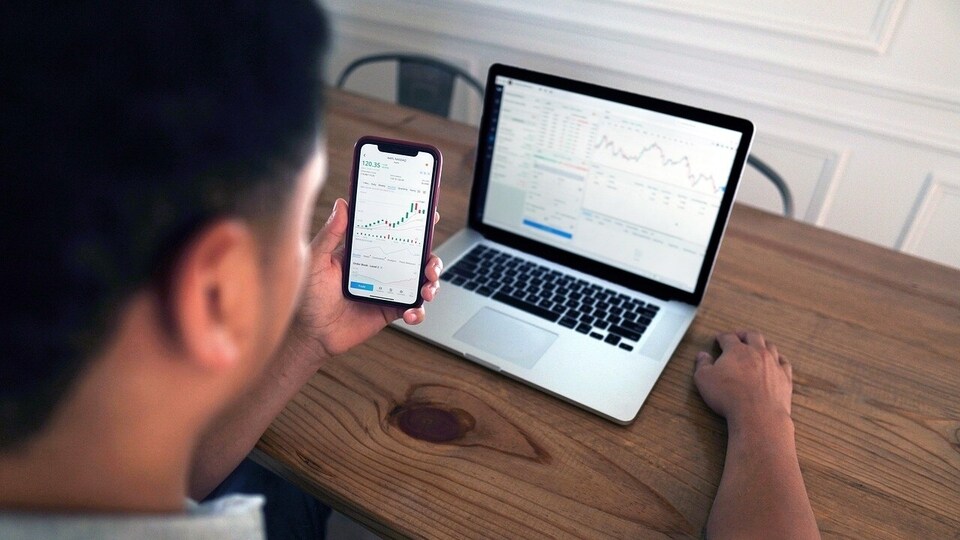
For a retail beginner—often characterised as young, tech-savvy, and operating with a sub- ₹5 lakh annual income—this is more than a marginal fee increase. It is a fundamental shift in the “break-even” math of a trade.
- STT is a direct tax levied on every purchase and sale of shares and derivatives on the stock exchange—essentially a “toll” you pay to the government every time you trade.
- F&O trading refers to Futures & Options. A Future is a commitment to buy or sell an asset at a set price on a future date. An Option gives the trader the right, but not the obligation, to trade the asset at a specific price. These instruments allow for high leverage, meaning traders can control large positions with relatively small capital, but they carry significant risk.
Long story short, for the beginner, the “casino” just got a lot more expensive to enter. Here is how the hike specifically impacts a ₹10 lakh portfolio:
STT hike and the Newbie Trader
If you are a long-term investor buying stocks to hold for years, these changes have zero impact on you. STT on delivery-based equity (the “buy and hold” method) remains unchanged.
However, if you are a newbie trader tempted by the viral social media clips of quick F&O profits, the math just got harder.
Budget 2026 hits both sides of the derivative aisle. For Futures, the STT rate will jump from 0.02% to 0.05%. The impact on Options is even steeper—the tax on options premiums and the exercise of options will rise from current levels to a unified 0.15%.
| Instrument | Old STT Rate | New STT Rate |
|---|---|---|
| Futures | 0.02% | 0.05% |
| Options (Premium) | 0.1% | 0.15% |
| Options (Exercise) | 0.125% | 0.15% |
For a beginner trading a single lot of Nifty Futures, the STT cost per trade is estimated to more than double. In a market where 93% of individual traders already lose money, these transaction costs act as a “drag” that eats into paper profits before they ever hit the bank.
The Futures Drag: If you are using your ₹10 lakh as margin to trade futures, your transaction costs per round-trip (buy and sell) have more than doubled.
On a ₹10 lakh turnover (which is easily reached with just one or two Nifty lots), your STT cost goes from ₹200 to ₹500. If you are an active trader doing 10 such trades a day, you are now paying an additional ₹3,000/day in taxes, or roughly ₹60,000 more per month than you were under the old regime.
The Options Squeeze: For most retail traders, the hike in Options STT is the heavier blow because it targets the premium paid, which is the core of retail speculative activity.
Now, every time you buy or sell an option, you are paying 50% more tax on the premium. If you are a “scalper” trying to catch small moves, your breakeven point has moved further away. You now need a larger price movement just to cover the tax, making it harder to stay profitable in the long run.
Why an STT hike now?
The government’s explicit goal with this hike is to “provide reasonable course correction” in the F&O segment. For a ₹10 lakh trader, this effectively lowers your “realised yield” because a larger portion of your gross profit is now diverted to the exchequer before it ever hits your ledger.
The hike follows a series of “truth bombs” from the Securities and Exchange Board of India (SEBI). Recent data revealed that individual traders lost a staggering ₹1.8 lakh crore in the F&O segment over three years.
The government’s intent is volume moderation rather than revenue collection. By making impulsive trading more expensive, the STT hike seeks to nudge the millions of new investors towards long-term investment rather than intraday thrills.
Budget 2026 Reactions: STT Hike
JM Financial MD Vishal Kampani: “The measured increase in STT on F&O trading reflects a clear intent to curb excessive speculation, fostering a more stable market and encouraging sustainable participation from long-term retail and institutional investors.”
Archit Gupta, Founder & CEO, Cleartax: “The STT hike sends a clear signal: Slow down excessive short-term trading. With over 21 crore demat accounts and record SIP inflows of ₹31,000 crore+ in 2025, we’re seeing a shift from frequent trading to long-term investing. The policy choice is clear—support steady capital formation over short-term transaction revenue.”