
 E-Paper



Luxury Brands Are Getting Hit by a Vibe Shift
Expensive labels are trying to figure out why sales have weakened so much outside a recession.


 Prefer HTon Google


Is the luxury industry going through a short-term blip or something more serious?
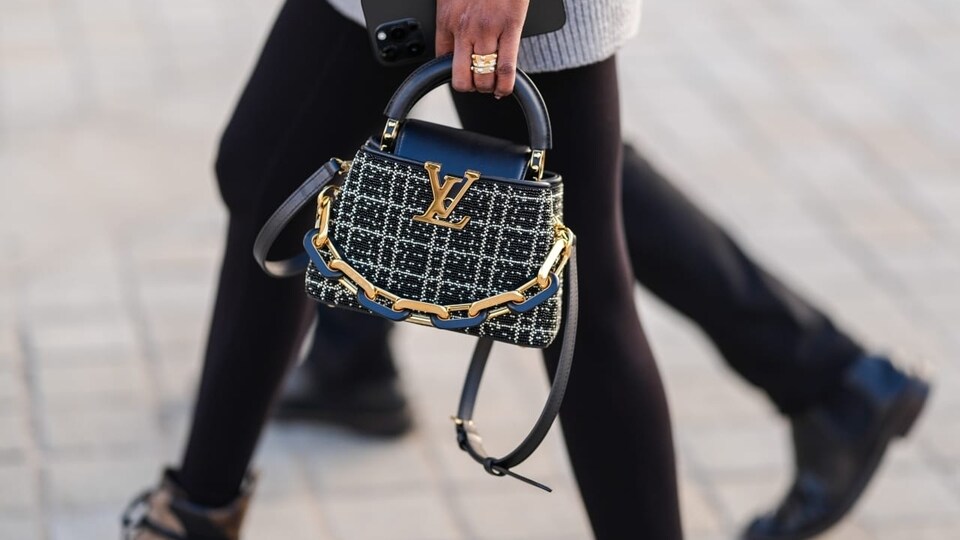
Bernard Arnault, the billionaire owner of Louis Vuitton and more than 70 other luxury brands, says the current sales slump will blow over. If he is right, now is the time to buy LVMH stock, which is down a fifth so far this year. He has spent more than $1 billion of his own cash on the company’s shares since January.
But investors are concerned that something is amiss. UBS analysts covering Europe’s top luxury stocks said that after two years of waiting for a recovery, “investors are starting to worry about the long-term structural attractiveness of the industry.”
LVMH reported results last week and said sales at its fashion and leather goods division fell 9% from a year earlier in the second quarter, which was worse than expected. The unit is the company’s main cash cow and generated nearly 80% of the group’s operating profit in 2024.
Management blamed weak demand for brands such as Louis Vuitton and Christian Dior on lower tourist spending. This time last year, the Chinese were snapping up luxury goods in Japan as a weak yen meant bargains were available. But that arbitrage window has closed. Moncler, which reported flattish results earlier in the week, flagged the same issue.
Consumers might simply be digesting everything they bought in a record luxury binge during the pandemic.
But something feels off. This year, sales across the luxury industry are expected to be flat, Bernstein estimates. That is unusual because the industry normally grows at twice the rate of global economic growth and this will be the second consecutive year of lackluster demand: 2024 was the sector’s worst performance since the 2008 global financial crisis—even though there wasn’t a recession.
There is no clear sign in the data that large luxury brands are losing significant market share to smaller insurgent brands such as handbag maker Polene, according to consulting firm Bain & Company.
But certain types of luxury goods are out of fashion. Handbag prices went off the rails during the pandemic and shoppers have diverted their spending to categories they think offer better value for money.
Jewelry brands, which didn’t raise prices as aggressively over the past four years, are still reporting healthy growth. Cartier owner Richemont said sales of its jewelry division rose 11% in the three months through June compared with a year ago. Demand for Richemont’s lower-priced products is still strong, an indication that aspirational shoppers who have deserted brands like Gucci are still showing up at Cartier.
Luxury brands also seem to have a problem on their hands with younger consumers. Last year, sales to Gen Z shoppers fell 7%, equivalent to a $5.7 billion drop in spending and the sharpest pullback among all generations. They appear disillusioned with luxury goods after stories about abuses in the industry’s supply chain and extreme price markups went viral on social media.
People are tuning out online. Growth in the number of people who follow luxury brands on social media is flatlining and online engagement in 2025 is only 40% what was recorded in 2022, Bain notes.
The number of vintage dresses appearing on red carpets is a sign of a shift. As luxury brands have become oversaturated on social media, access to rare, one-off pieces is becoming more of a status symbol than shelling out thousands of dollars on the latest handbag.
Luxury companies have been here before. In 2015, consumers grew tired of logos and brands were forced to pivot. New, discrete designs like the Louis Vuitton Capucines successfully got people spending again.
Multibillion-dollar ad budgets make the biggest luxury companies formidable players. And a wave of innovation is on the way: At least a dozen major luxury brands, including Chanel, Gucci and Dior, have new creative designers who will be showing fresh collections later this year.
But the industry is 50% bigger today than it was a decade ago. Even if the latest crop of designers nail what young customers want, it will be tougher for mature brands to grow at the clip that shareholders have become accustomed to.
Write to Carol Ryan at carol.ryan@wsj.com


