
 E-Paper



Number of ultra-rich Indians to rise 9.4% to 93,753 by 2028: Report
The combined wealth of Indian billionaires is estimated at $950 billion, ranking the country third globally, behind the US and Mainland China.


A new report by global consultancy firm Knight Frank has revealed that the number of Indians who fall in the high-net-worth category are projected to increase by 9.4% by 2028.
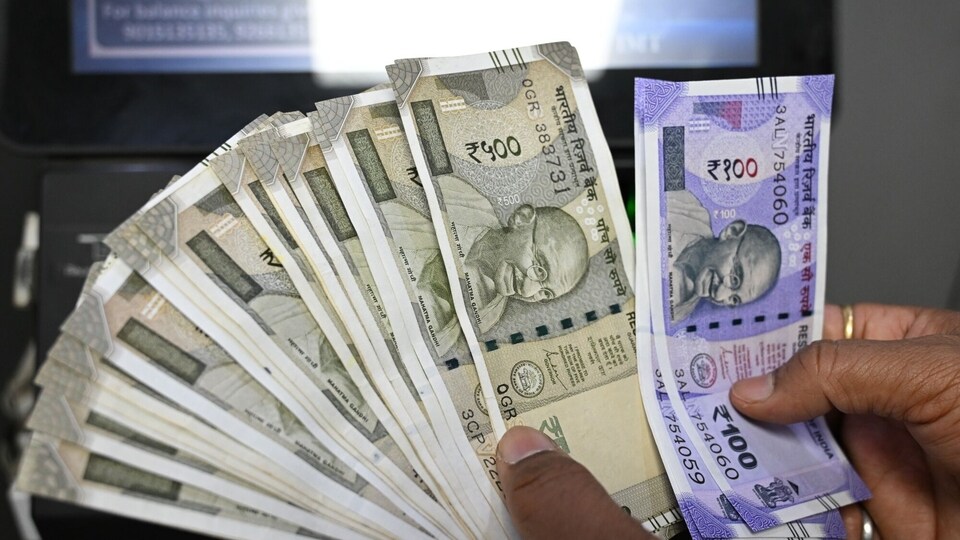
The report, Wealth Report 2025, forecasts ultra-rich Indians at 85,698 in 2024, which is projected to rise to 93,753 by 2028.
This growth indicates India's strong long-term economic growth, increasing investment opportunities and evolving luxury market. It also positions India as a key player in global wealth creation.
Also read: H-1B visa: US warns businesses against preferring migrant workers. Will Indians be impacted?
High-net-worth individuals (HNWIs) are those with assets exceeding $10 million.
The report claims that India recorded a 6% rise in the number of HNWIs from 80,686 in 2023 to 85,698 in 2024. It adds that India is home to 3.7% of the wealthy individuals globally and currently ranks fourth. India is now home to 191 billionaires. A total of 26 people became billionaires in 2024, compared to just seven in 2019.
The US has the highest number of HNWIs, at over 9.05 lakh, followed by over 4.71 lakh HNWIs in China and over 1.22 lakh HNWIs in Japan.
Also read: Government changes passport rules for Indians | What you need to look out for
The number of ultra-rich globally rose by 4.4% in 2024 to 2,341,378 from 2,243,300 a year earlier.
Asia saw the second-highest increase in the number of HNWIs, at 5%, followed by Africa (4.7%), Australasia (3.9%), Middle East (2.7%), Latin America (1.5%) and Europe (1.4%).
The combined wealth of Indian billionaires is estimated at $950 billion, ranking the country third globally, behind the US ($5.7 trillion) and Mainland China ($1.34 trillion).
Also read: PM internship scheme 2025 registration opens: Eligibility, details, how to apply
Shishir Baijal, Chairman and Managing Director of Knight Frank India, said, "India's growing wealth underscores its economic resilience and long-term growth potential. The country is witnessing an unprecedented rise in high-net-worth individuals, driven by entrepreneurial dynamism, global integration, and emerging industries."
"In the decade ahead, India's influence in global wealth creation will only strengthen," Baijal added.


