
 E-Paper



Sensex drops 63 points to open at 61,058; Nifty opens at 18,116
Markets opening bell: Markets Bell: Sensex drops 63 points to open at 61,058; Nifty opens at 18,116

 Prefer HTon Google


Snapping over two-week of the consistent rally, Indian stock indices have declined, though marginally, this morning, as investors await fresh cues from US Federal Reserve's monetary policy review meeting outcome to be announced later today.
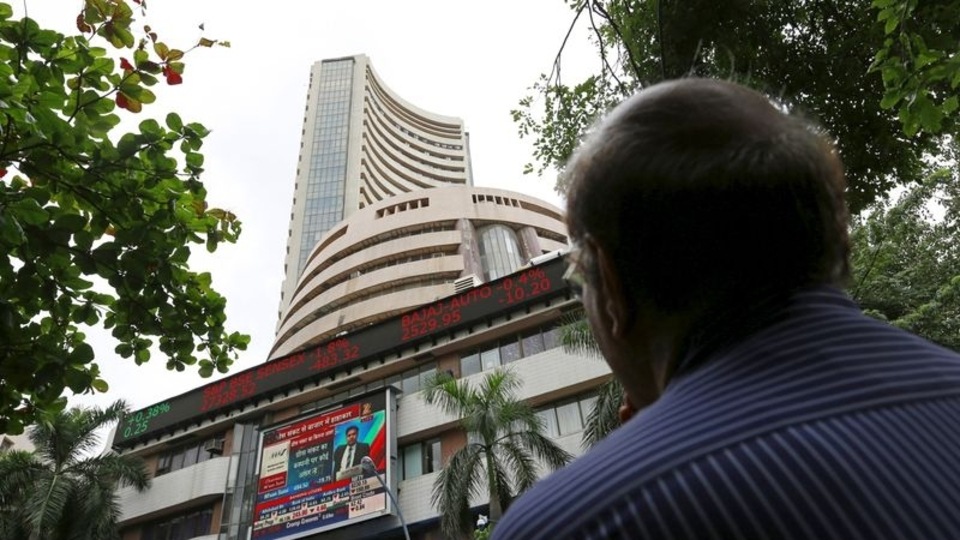
At 9.39 am, Sensex traded at 61,054.24 points, down 67.11 points or 0.11 per cent, whereas Nifty traded at 18,127.30 points, down 18.10 or 0.100 per cent.
"Indian markets started the new month on a strong note and also ended in positive territory for the fourth straight session yesterday. Today, the markets are likely to get a cautious start amid lackluster global cues ahead of the US Fed policy outcome later in the day," said Mohit Nigam, Head - PMS at Hem Securities.
"Globally markets are waiting for the Fed commentary tonight. 75 basis points rate hike is given and already discounted by the markets. So it will be the Fed's commentary and probable guidance that would be market moving," said V K Vijayakumar, Chief Investment Strategist at Geojit Financial Services.
"The Fed is likely to continue with its hawkish stance but any mildly dovish signal will be positive for markets. In the absence of any rate moderation signal, markets are likely to correct. So investors may wait and watch for this big event," added Vijayakumar.
The Reserve Bank of India's additional and out-of-turn monetary policy meeting on Thursday will also be closely followed by investors.
The meeting has been called under Section 45ZN of the Reserve Bank of India (RBI) Act 1934, which pertains to steps to be taken if the central bank fails to meet its inflation-targeting mandate.
For the record, India's retail inflation surged to 7.41 per cent in September, remaining above the Reserve Bank of India's mandated range of 2-6 per cent for the third consecutive quarter.
Under the flexible inflation targeting framework, the RBI is deemed to have failed in managing price rises if the CPI-based inflation is outside the 2-6 per cent range for three quarters in a row.


