E-Paper



India-EU Free Trade Agreement explained: What it means for car makers and buyers
India-EU FTA eases import duties on European CBUs with limits, while local assembly and EV manufacturing remain protected.

 Prefer HTon Google


India and the European Union have concluded their long-pending Free Trade Agreement (FTA). For the automotive sector, attention is focused on import duty reductions for European cars, though the real-world impact will be more limited than initial headlines suggest.
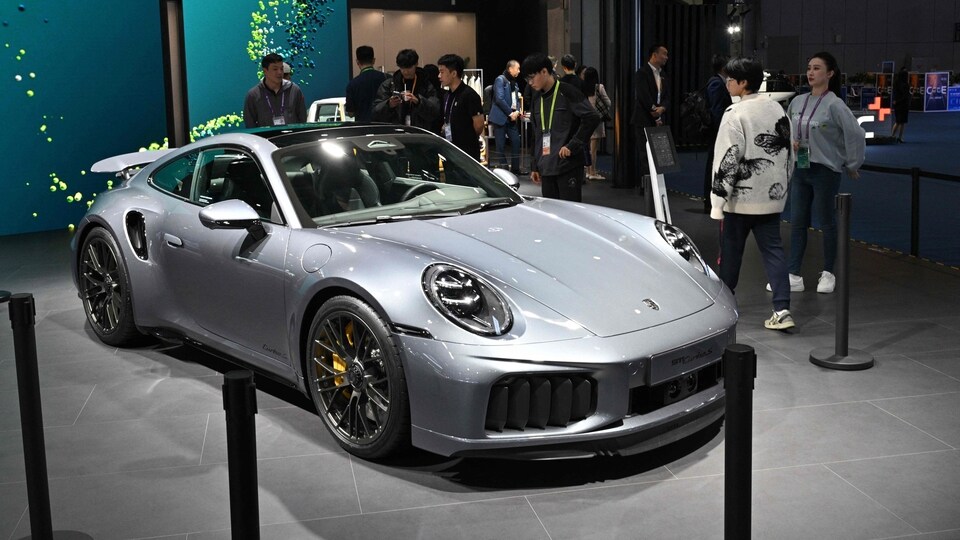
Under the FTA, import duty concessions apply only to completely built units (CBUs) or fully imported vehicles. Cars brought into India as completely knocked down (CKD) kits and assembled locally are excluded from the benefit. This distinction matters because most luxury carmakers in India rely heavily on local assembly to manage costs. As a result, the majority of premium cars sold in the country will continue under the existing duty structure.
Limiting quota
To prevent a sudden surge in imports, the government has capped the concession at 2.5 lakh CBU cars per year. This ensures the benefit is phased and controlled, rather than opening the floodgates to large-scale imports.
How will duties change?
Currently, imported cars priced below USD 40,000 attract duties of up to 70 per cent, while those above that level face duties as high as 110 per cent. Under the FTA, these rates will be gradually reduced to as low as 10 per cent.
However, the timeline for these reductions has not been disclosed, suggesting a slow and calibrated rollout rather than immediate price cuts.
(Also read: India-EU FTA could improve access to global Mercedes-Benz models, says CEO Santosh Iyer)
No relief for EVs
Electric vehicles have been kept out of the duty reduction plan for now. The government has confirmed that EV imports will not receive any duty cuts for the next five years, underlining its focus on boosting domestic EV manufacturing before opening the segment to imports.
Limited effect on luxury car pricing
For brands such as Mercedes-Benz India, the agreement is unlikely to change pricing meaningfully. Over 90 per cent of its sales come from locally manufactured models, with only a small share relying on EU-sourced CBUs. Similar dynamics apply to other luxury manufacturers with strong local assembly operations.
While the India-EU FTA is a significant strategic move, its impact on car prices will be selective and gradual. The deal signals openness, but with clear guardrails to protect local manufacturing, making it an evolution, not a disruption, for India’s auto market.