
 E-Paper



Govt depriving poor of higher education: Bhagwant Mann
Alleged that the successive SAD-BJP and Congress governments had a hidden agenda to target the poor and ‘Dalits’.


Aam Aadmi Party (AAP)’s Punjab unit president MP Bhagwant Mann and state core committee chairman Principal Budhram on Monday said the policies and decisions of the state government led by Captain Amarinder Singh had deprived the poor and Dalit students of a chance to study in professional colleges and universities.
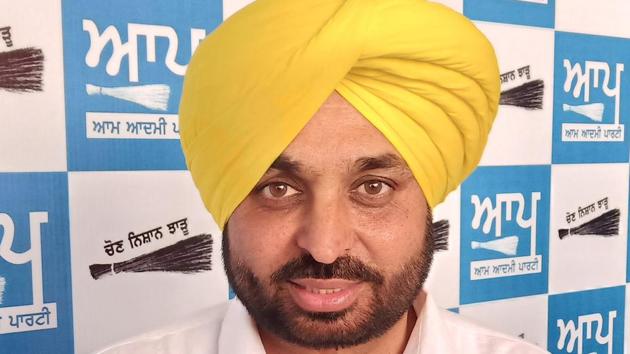
They alleged that the successive SAD-BJP and Congress governments had a hidden agenda to target the poor and ‘Dalits’.
Mann claimed that if those lording over the state and the Centre from time to time had been sensitive to the plight of the poor and ‘Dalits’, 25% enrolment would have been ensured for them in all private and government schools under the Right to Education Act and a large number of qualified and unemployed teachers would not have been left to take the road route to bag jobs.
Principal Budhram alleged that Rs. 2,000 crore had been pending under the Centre’s Under-Matric and Post-Matric Scholarship Scheme for Dalit Students for the past five years and had it been released, private colleges would not have to withheld the students’ degrees.
He added that the government did not release a single penny under the scholarship scheme to any public or private institution in the state for the last three years, and thus ruined the careers of millions of students. This laid bare the “anti-Dalit face” of the Captain government, he said.
Principal Budhram said if the government could offer a rebate of Rs 1,000 crore to liquor, sand and gravel traders under the guise of the pandemic, why couldn’t it refund the examination fee of over Rs 80 crore taken from government school students, even as their exams did not take place.
Mann said that if the AAP succeeded in forming the government in 2022, it would strive to make education accessible to all and offer equal opportunities for higher education in Punjab, on the lines of the Kejriwal government in Delhi, by bringing changes in the existing setup.


