
 E-Paper



‘We are intensifying Covid-19 testing, rapid kits are on the way’
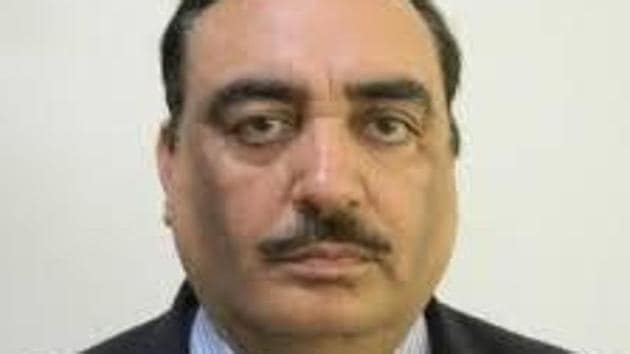
Haryana additional chief secretary, health, Rajeev Arora speaks to Hindustan Times about the state government’s strategy, growth trajectory and prospects of flattening the coronavirus curve.


The spread of coronavirus disease (Covid-19) in Haryana, particularly the four national capital region districts, has thrown an unprecedented challenge before the health authorities in the state. Additional chief secretary, health, Rajeev Arora speaks to HT’s Hitender Rao about the state government’s strategy, growth trajectory and prospects of flattening the coronavirus curve. Excerpts:
How do you see the current situation in Haryana including the growth trajectory of the virus?
If you look at the number of coronavirus positive cases till March 31, we only had 29. As of today, if we discount the 107 coronavirus positive Tablighi Jamaat missionaries, we stand at 32 positive cases. To that extent, the new cases added to our inventory were the Jamaatis.
But Jamaatis are now also a part of Haryana’s population. Is that not a sign of concern?
Certainly. There was a surge in the number of cases after we started testing the Tablighis. We did intensive sampling of the Jamaati groups and their contacts. In fact, we had conducted less than 800 tests till March 31. Mainly, people who had travelled overseas or those who came in their contact were tested. But in the last 10 days we have tested 3,600 people and those tested are mainly Jamaati.
How do you see the curve from here? What are the prospects of its bending?
In the last two days, the number of positive cases have dipped again. Our civil surgeons are of the view that the cases may peak again as 10-12 individuals are suspected of having Covid-19. However, it is encouraging that 116 samples collected from Jamaatis were found negative. That indicates that stringent containment where habitations have been isolated in hotspots has worked. So, I am optimistic that we are on the right track.
What’s the strategy of the state government to bend the curve?
Intensive testing and isolation of habitations will be the key to contain the spread. We have intensified PCR testing (real time reverse transcription polymerase chain reaction test (rRT-PCR) in hotspots of Nuh, Palwal, Gurugram and Faridabad districts. The frequency of rRT-PCR in hotspots is 450-500 tests per day and 100-125 in low Covid incidence districts.
How well is the testing going to get intensified? What about the rapid antibody tests recommended by ICMR?
We will use rRT-PCR testing on 6,500 samples before April 14. The purchase committee has placed orders to buy around 1.10 lakh rapid test kits for blood-based testing to screen large numbers in hotspots. We are expecting the delivery of rapid test kits within a week.
How far will the rapid antibody tests help in containing the spread?
The Indian Council of Medical Research (ICMR) guidelines on rapid tests say that it should not be done indiscriminately. So we will use rapid tests in the hotspots and containment zones, where a high number of positive cases are detected, and in large migration gatherings, and evacuee centres. All symptomatic influenza-like illness (ILI) persons having fever, cough, sore throat and runny nose will be tested in the hotspots. The blood-based rapid antibody test gives an indication whether the person needs further testing.
There are allegations of absenteeism in the health department and hospitals?
This is not correct. Much of our healthcare staff is deputed in mobile teams. We have cut down non-essential surgeries and procedures in hospitals to reduce the chances of infections and are concentrating on Covid-19. That health staff is also being used at a number of other places to combat Covid-19.


