
 E-Paper



Wildbuzz: The wandering hulk
Of birds with wingspans stretching to 2.5 metres, gossiping squirrels and a koel’s affair with narangis

 Prefer HTon Google


A printer by profession, Chandigarh-based birder and conservationist Vikas Salil Sharma is an irrepressible wanderer. It was only befitting that chance bestowed upon Sharma’s lens an opportunity to record a rare, wandering eagle from the Eurasian temperate at Lunj near Pong wetland. The White-tailed eagle (WTE) is a distinctive species with a chequered history of persecution and patronage at the hands of humans. For example, in England, the WTE was exterminated to extinction by the early 20th century but has staged a comeback there, like the Gharial in Punjab, via the benevolence of modern reintroduction programmes.
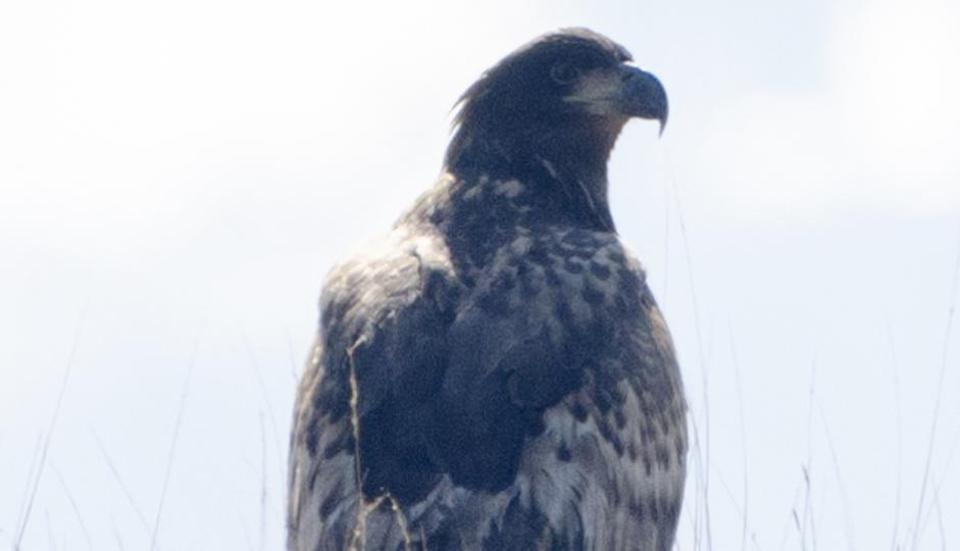
A hulk of a bird with a wingspan that can stretch to 2.5 metres and the female’s weight going up to seven kg, the WTE is regarded as the fourth largest eagle in the world. In terms of longevity, the species is notable with one individual surviving 32 years! The large head and a brute of a bill – like a butcher’s menacing, dangling hook – complete the image of a majestic and powerful bird which was regarded as worthy enough for depiction on the coat of arms of European nobilities.Interestingly, Sharma was photographing a group of White-rumped vultures and Himalayan vultures when his sharp eye chanced upon this vulturish-looking eagle perched nearby on a cliff. Migratory eagles such as the Steppe and the WTE often feed on carrion when wintering in the subcontinent. The clever eagles keep a careful watch on vultures and crows to detect the presence of carrion, which amounts to easy food. However, the WTE also hunts live prey by skimming over water and grabbing fish or hunting waterfowl or even robbing prey killed by lesser raptors! Hence, it is found near water such as coasts, lakes and rivers. In Europe, even large Mute swans fall prey to this apex predator. WTEs are devoted couples, pairing for life though on the death of a spouse a replacement is found. “WTEs have a characteristic aerial courtship display which culminates in the pair locking claws mid-air, whirling earthwards in a series of spectacular cartwheels, and separating sometimes only a few feet above the ground or water and soaring upwards again,” states the Royal Society for the Protection of Birds in its species profile.
Gossip on Wall Street
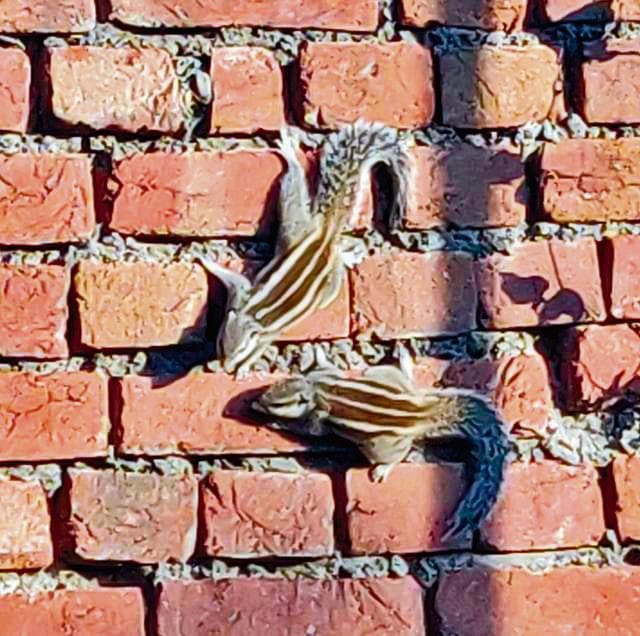
Creatures of the city gardens endear themselves to observant householders. A spur of the moment photograph taken with a handy smartphone or camera leaves a lasting and fond memory. What would seem mundane to outsiders is a marvel for a householder with an indulgent eye and mind. Squirrels sun-basking on a brick wall at his Kaimbwala farmhouse spurred the imagination of Brig Balwinder Singh Sandhu (retd). The fauji, who headed Project HIMANK in Ladakh building roads and vital infrastructure at Daulat Beg Oldie and Batalik before retirement, is a passionate photographer. “The squirrels seemed relaxed and were indulging in chatter, like mohalla ladies basking in the sun and exchanging notes during a brief breather from household chores. I compared the time squirrels seemed to have for intimate moments and neighbourly bonhomie to the rat race that enslaves humans,” quipped the sprightly Brig Sandhu.
*
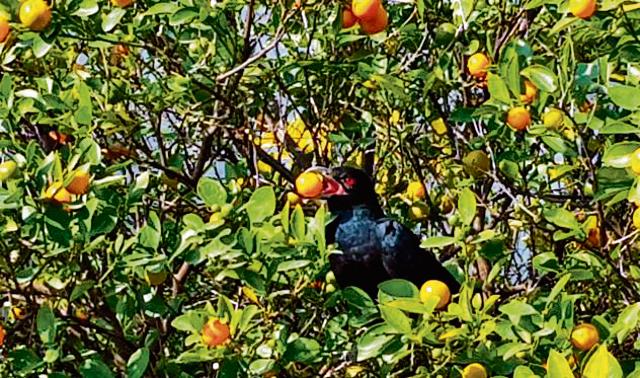
In Chandigarh’s genteel Sector 8, an Asian koel has shed her modesty. Otherwise prone to buzzing off in a flurry of feathers and odd squawks when approached by a human, this specimen has taken a great fancy to sour-sweet Calamondin oranges (narangis) in Mahendar Kaur’s bungalow. An exotic plant that ornaments gardens, the petite oranges are apportioned by ladies for winter marmalade and by discerning gents for home-brewed liqueurs. The lady of the house indulges this robber in splendid black robes and flashing ruby eyes. “The koel is unafraid of us and a regular visitor to our plant. She relishes the oranges,” Kaur told this writer.
vjswild1@gmail.com


