
 E-Paper



YouTubers introduce the world to Kashmiri cuisine
The Covid-induced lockdown and subsequent work-from-home culture has led to the popularity of food vlogs on social media platforms.


More often than not Kashmir is in news for either conflict or its breathtaking beauty, which had led Mughal emperor Jahangir to famously call it ‘heaven on earth’. However, the Valley’s delicious and unique cuisine is often relegated to a footnote.
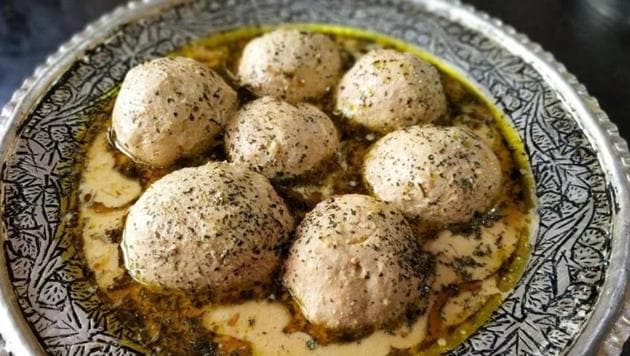
To remedy this glaring oversight, youngsters in the Valley have taken to YouTube to inform the world about the Valleys food habits ranging from the multi-course wedding cuisine: the Kashmiri Wazwan to indigenous day-to-day dishes.
The Covid-induced lockdown and subsequent work-from-home culture has led to the popularity of food vlogs on social media platforms.
In 2018, when Tasiya Hameed, 27, wanted to prepare the ‘wazwan pulaw’ after her marriage, she decided to trawl the internet for recipes. Though she found a good number of recipes, she was disappointed that none of them were from Kashmir.
“They were Kashmiri only in name. At that moment, my husband and I, decided to start a YouTube channel on the preparation of Kashmiri food,” she said.
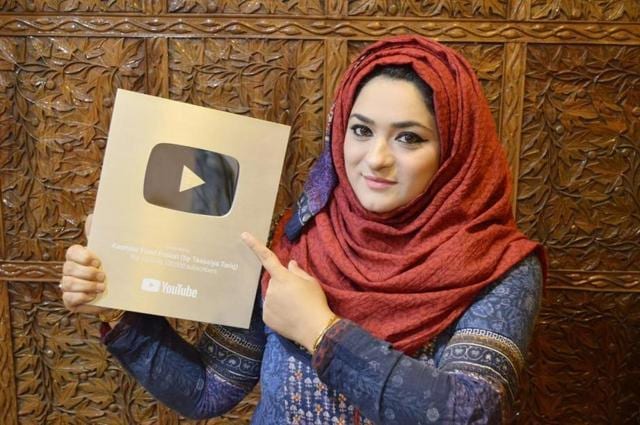
Hameed, who has a masters in English, started the channel ‘Kashmir Food Fusion’ with the help of her husband . They reached out to Kashmiri professional cooks, the wazas, to learn and prepare wazwan for her online subscribers. Hers was one of the first such initiatives.
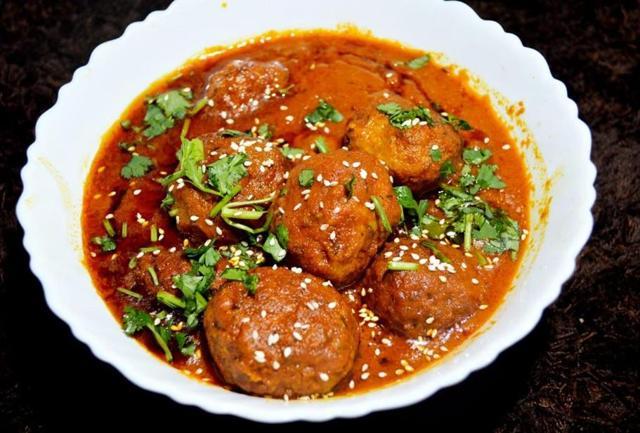
Wazwan is a multi-course cuisine with many mutton dishes that are served at weddings in Kashmir. Traditionally, the meal ranges from anything between seven to 36 courses, most of which are prepared from meat cooked overnight on raging cooking fires. They involve a spread of huge copper vessels, mounds of mutton, chicken, fish, vegetables and heaps of spices among other ingredients. Prominent wazwan dishes, include rista (meatballs in a fiery red gravy), waza kokur (chicken garnished with crushed almonds), rogan josh (tender lamb cooked with Kashmiri spices), tabak maaz (ribs of lamb simmered in yogurt till tender, and then fried in ghee), and the ultimate dish gushtaba (a velvety textured ball of meat mixed with fat in white yogurt gravy).
“Initially, it was very difficult to get an audience but then young Kashmiris studying or working outside the Valley started reaching out to us. Even the young generation of Kashmiri Pandits who would miss many of their trademark dishes such as muj gaede (a fish and radish dish), haakh and dum alloo, started following us,” she said.
Within two years she had crossed one lakh subscribers and even received a silver button from YouTube in August. Hameed is currently writing a book, and plans to launch an app. She also dreams of opening her own restaurant in the long run.
“Initially, it was just a passion – a love for our culture but now we are professional. I am able to earn through the channel as brands approach us for promoting their product,” she said, adding that now around 30 food channels were exploring the idea of Kashmiri cuisine on YouTube.
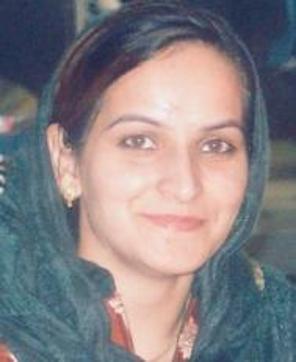
Nazrana Bashir, 34, also decided to start a YouTube channel after her marriage. She first shifted to Gurgaon and then Mumbai and had to call home every time she tried a traditional Kashmiri dish. In 2018, she decided to start a food channel by the name of ‘Zoon Daeb’ with the help of her in-laws.
“It is all about Kashmir and preserving its culture for the future generations. This will be my legacy for my kids,” she said. Bashir, who is a mass communication post graduate from Kashmir University, said many food bloggers had come up in the past year, which has helped break stereotypes about Kashmir.
“People now know that Kashmir extends beyond tourism or conflict, says Bashir, who has around 27,000 subscribers on YouTube and has started relaying recipes thorough multiple languages.
“There are variations between Indian, Pakistani and Kashmiri dishes. Often people in Mumbai invite themselves to our home on festivals to taste Kashmiri food,” she says.


