
 E-Paper



Chhattisgarh seals assembly mandate, 71.9% turnout across 72 seats
In the last assembly election in 2013, 77.13% of polling was reported in these 72 seats.

 Prefer HTon Google


Chhattisgarh recorded Tuesday 71.91% turnout in the second and final phase of the assembly elections that is seen as crucial not just for the ruling Bharatiya Janata Party and the opposition Congress but a third front alliance led by former chief minister Ajit Jogi’s ability to emerge as a serious player.
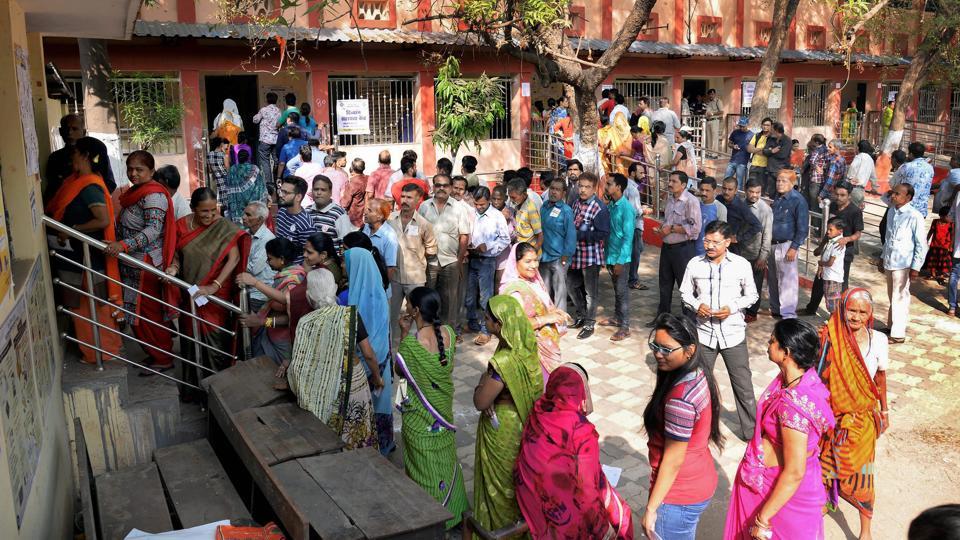
In the last assembly election in 2013, 77.13% of polling was reported in these 72 seats, which are seen as decisive in the formation of the government.
The highest turnout was reported in Balod (82.12%) while the lowest was recorded in Lormi (59%) of Bilaspur district,” said Subrat Sahoo, Chhattisgarh chief electoral officer. He said the overall turnout figure could increase as polling continued late into the evening.
The BJP is eyeing a fourth straight term for chief minister Raman Singh while the Congress is looking for a comeback after 15 years. In the 2013 election, the difference of votes between the two rival parties was less than one percentage point (0.75%). The BJP won 49 seats, the Congress got 39 and the Bahujan Samaj Party and an independent bagged one each.
Tuesday’s polling is also a test for former CM Ajit Jogi, who floated a regional front, Chhattisgarh Janata Congress, and has struck an alliance with the BSP.
Jogi is said to have an influence among the Satnami community and scheduled castes who are spread in 58 seats of the 72 seats in the plains of Chhattisgarh. The remaining 14 seats fall in north Chhattisgarh’s Sarguja-Jaspur region, where the Congress and the BJP are in direct contest.
Sahoo said 359 voter verifiable paper audit trail (VVPAT) machines of EVMs were replaced after complaints of errors. “The total number of control units( CU) of EVMs replaced was 89 while 114 balloting units were replaced during polling,” added Sahoo.
In the afternoon, the Election Commission removed a presiding officer and polling staff in Marwahi of Bilaspur district after complaints. A total of 1,079 candidates, including 119 women, were contesting in 72 constituencies across 19 districts with an electorate of 15,400,596.
The first phase of polling was held on November 12 in 18 Maoist-affected seats, where the turnout was about 76%.
In the second phase, out of 72 seats, 17 are reserved for Scheduled Tribes and nine for Scheduled Castes. A total 19,336 polling booths were been set up, of which 444 were designated as sensitive.
The Congress believed there is a wave against the BJP while the ruling party is banking on its so-called development agenda. “There was a wave of change against BJP which has converted into votes in Chhattisgarh. We are hoping that we will get more than 60 seats and will form the government in the state,” said Congress spokesperson Shailesh Nitin Trivedi.
BJP spokesperson Sacchinand Upasane said that they were confident of victory. “We are forming the government as people have voted for the Raman Singh and Narendra Modi,” he said.
On Tuesday, Raman Singh, his wife Veena and son Abhishek voted in Kawardha constituency. Other state ministers also exercised their franchise.
“No incident of Maoists violence was reported in the second phase. We have deployed about one lakh security personnel state to ensure peaceful polling,” said DM Awasthi, special director general of police (Anti-naxal operations).
-kW0H-U20214218012MgB-250x250%40HT-Web.jpg)


