
 E-Paper



Bengaluru faces surge in auto fares after bike taxi ban, commuters demand solutions
Following a ban on bike taxis, Bengaluru is witnessing a dramatic increase in auto rickshaw and taxi fares, with commuters voicing frustration over price hikes.

 Prefer HTon Google


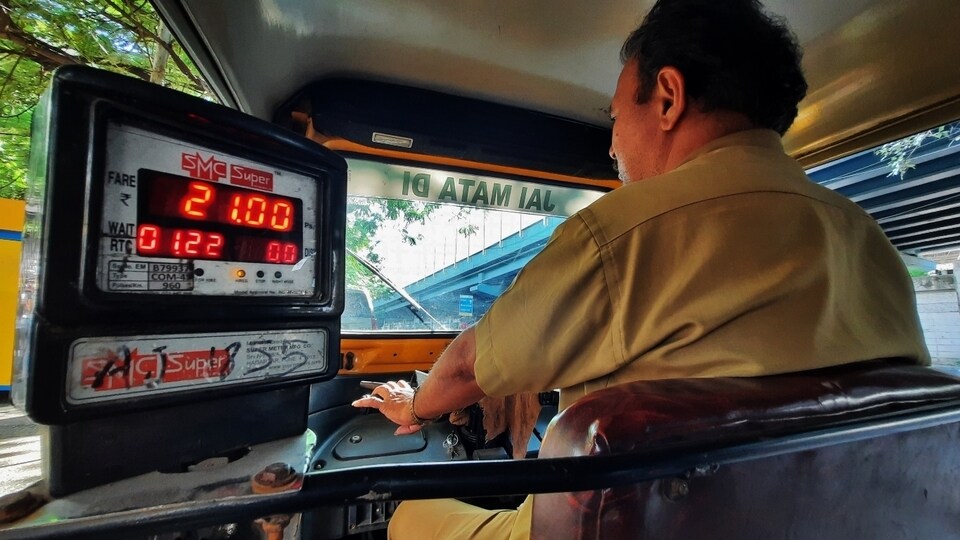
Bengaluru is observing a steep increase in auto rickshaw and taxi fares following a directive from the Karnataka High Court on Monday to cease bike taxi services across the state. Commuters are now reporting fare increases up to 25 per cent.
Many said Uber had the steepest fare surge. Sukrutha Shavanak, a commuter, said the fare from Singasandra to Jayanagar, which comes up to around 8 km, costs ₹190, however, rides from Singasandra to Electronics City, which is 4 km, are priced at ₹180. “This price hike has been in play even before bike taxis were banned,” she said.
Prathiksha Harish, a techie, echoed the same, saying ride fares have become costlier since mid-May. A ride from Vidyamanyanagar to Koramangala 6th Block now costs ₹90 more than usual, she said. “I used to pay ₹350 from home to office, but now I pay ₹440."
Hindustan Times also observed that a 11 km taxi ride from Vajarahalli metro station to Srinagar, which would usually cost a maximum of ₹350, was now priced well above ₹450.
READ | Bengaluru bike-taxi ban: Over 100 illegal two-wheelers seized on day 1 of enforcement
Many are also encountering longer wait times, with auto rides only available if tips are added.
A senior executive from a major ride-hailing platform attributed the surge pricing to increased demand, saying that the demand for autos has naturally spiked after bike taxis have been taken off the roads, which has led to higher fares, according to a Deccan Herald report.
READ | 'Difficult but helpless': Uber responds on Karnataka government's ban on bike taxis
Several commuters from Bengaluru lamented the new bike taxi ban on social media, with one writing, “For a distance of 2.2 kms, fare from different apps for auto is Rs. 60-101. Actual fare should be 33. On what basis these exorbitant rate have been calculated. On top of it you ban bike taxi also?”
“First you failed to manage traffic, then you banned the one thing that worked—bike taxis. This isn't governance, it's punishment. We Need Bike Taxi,” another posted.
“Not even 8am, and #Bengaluru is choked already. Thanks to the #biketaxi ban, had to take an auto. Give me walkable shortest paths to the bus stops, and bike lanes, please. This is no way to create cities,” another post read.
Here’s how commuters can report ‘unfair trade practices’
Ride-hailing platforms have often come under the radar of the transport department for illegally charging exorbitant rates. In this light, an advocate noted that affected commuters can seek legal remedies under Section 2(47) of the Consumer Protection Act, 2019, which addresses ‘Unfair Trade Practices’, the Deccan Herald report added.


