E-Paper



Atrocities against tribals increased by 25% in Madhya Pradesh
Tribal and human rights activists feel that a sudden spurt in cases of outrage and harassment of tribals was reported in 2020 since many tribals, who worked as migrant labourers, returned to MP during the Covid-induced nation-wide lockdown.

 Prefer HTon Google


Madhya Pradesh recorded 2,401 cases of atrocities against tribals in 2020, which was 25% more than 2019. The state was ahead of Rajasthan’s 1,878 cases by some margin, as per National Crime Records Bureau (NCRB) 2020 report. The state also recorded the most rapes of tribal women in the same period.
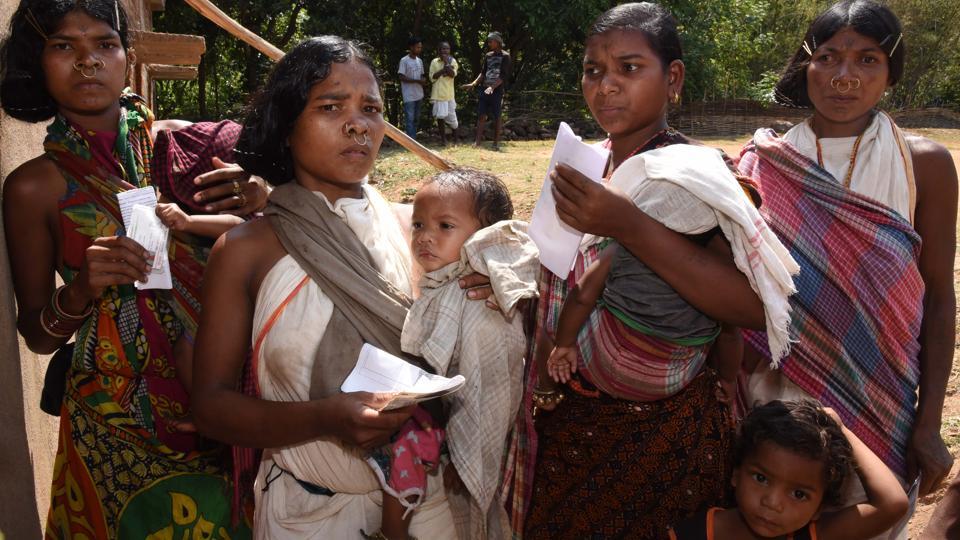
In 2019, 1,922 cases of crime against tribals were registered in the state under SC/ST (Prevention of Atrocities) Act. MP has the highest tribal population in India and it has been registering most cases of atrocities against the tribal population for the past five years.
Tribal and human rights activists feel that a sudden spurt in cases of outrage and harassment of tribals was reported in 2020 since many tribals, who worked as migrant labourers, returned to MP during the Covid-induced nation-wide lockdown.
“The condition of scheduled caste and tribes remains the same in rural MP since Independence. Several of these people live as migrant labourers in different states and they were harassed on their return to MP during the lockdown, when many were forced to work as farm labourers without wages,” said Madhuri, a human rights activist, working in MP for the past two decades.
Jai Adiwasi Yuva Sangathan alleged the state government had been suppressing the voice of tribals and the NCRB data revealed the reality of their situation.
“The state government is not ready to accept the fact that the tribal people are in danger but the data revealed the reality. Tribals are feeling unsafe in MP due to the rise in crime against them. They are being thrashed for land and also being harassed by false cases lodged against them. The recent incident in Khargone, where police thrashed a tribal to force him to confess to a robbery, is a routine way of torturing tribals,” said Dr Anand Rai, spokesperson JAYS.
The opposition also attacked the BJP-led state government over an increase in the number of cases of atrocities against tribals.
MP Congress committee president Kamal Nath said, “This data is nothing but a report card of 16 years of development plan of chief minister Shivraj Singh Chouhan. During the BJP-led state government’s tenure, the cases of atrocities against tribals, Dalits and women have increased by many folds. The morale of anti-social elements and criminals is high and they do not fear the law.”
However, home minister Narottam Mishra said, “The data only shows that police records every case in MP and every person gets justice in the state. Now, we are coming with the Gangster Act to curb crime against tribals, scheduled caste, women and poor people.”
Recently, cases of atrocities against tribals in MP made headlines. A 40-year-old tribal man named Kanhaiyalal Bheel was beaten and dragged after he was tied to a vehicle in Neemuch by eight men on the suspicion of theft last month. The man died at a hospital.