E-Paper



Digvijaya Singh’s PIL blames MP govt for Dec clashes, court seeks govt response
Madhya Pradesh’s additional advocate general Pushyamitra Bhargava said the state government has been given six weeks to respond to Digvijaya Singh’s petition on the December 2020 communal clashes in three MP districts, Ujjain, Indore and Mandsaur.

 Prefer HTon Google


Bhopal: The Indore bench of the Madhya Pradesh high court has asked the MP government to reply to a public interest litigation (PIL) that accuses the authorities of negligence in dealing with communal clashes following a campaign to collect funds for the Ram Temple in Ayodhya, the state government’s senior law officer said on Tuesday.
“We received the copy of the PIL on Monday so I requested the court to grant time to reply. The court has given (the state government) six weeks to submit a counter reply,” Madhya Pradesh’s additional advocate general Pushyamitra Bhargava said.
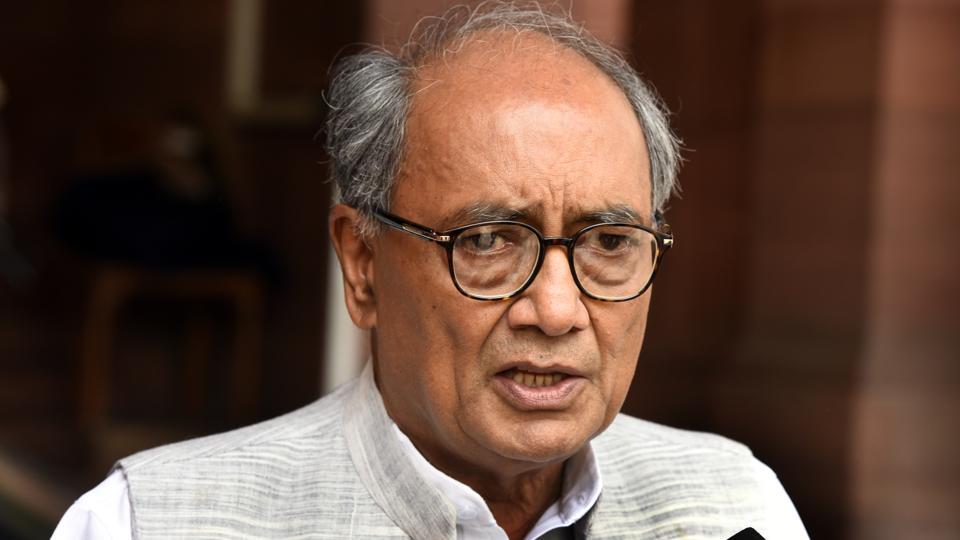
The 33-page petition filed by senior Congress leader Digvijaya Singh said the MP government did not take steps to stop the clashes that erupted in December 2020 in three MP districts, Indore, Dhar and Ujjain, after a campaign to mobilise funds for the Ayodhya temple.
“This left a trail of communal violence, breach of peace and communal harmony and destruction of immovable-movable property of the victims and otherwise,” the former chief minister’s petition said.
Singh said he supported the “pious work of construction of Shri Ram Mandir at Ayodhya” but the collection of funds must be voluntary. Also, he said, members of the minority community “should not be coerced or threatened to pay donation for this pious purpose”.
Some organisations targeted “members of the minority community of Madhya Pradesh in order to show their dominance and breach communal harmony in the State of Madhya Pradesh,” the petition said, referring to some incidents of violence when the rallies passed through Muslim-dominated areas.
The state government and the police appeared to have been “inactive and negligent in performing their statutory and administrative duties”, he said, arguing that the communal violence in the three districts demonstrated an attempt to spread the violence.
Singh’s petition said the government officials concerned not only acted negligently but at certain places, witnessed the entire episode without acting against the culprit.
Lawyer Ravindra Singh Chhabra, who filed the petition for Singh, said he had submitted video clips, WhatsApp chats and other documentary evidence to back up his charge.
Madhya Pradesh director general of police, Vivek Johri refused to comment. “The matter is in court now so I can’t comment on it.”