
 E-Paper



Maharashtra’s districts of concern in Covid fight: In Satara, superspreader events drive up caseload
As of July 23, Satara district reported 210,000 cases and 5076 deaths due to the Covid pandemic. District officials peg the start of the second wave in April, after neighbouring Pune began to record a meteroic spike in cases.

 Prefer HTon Google


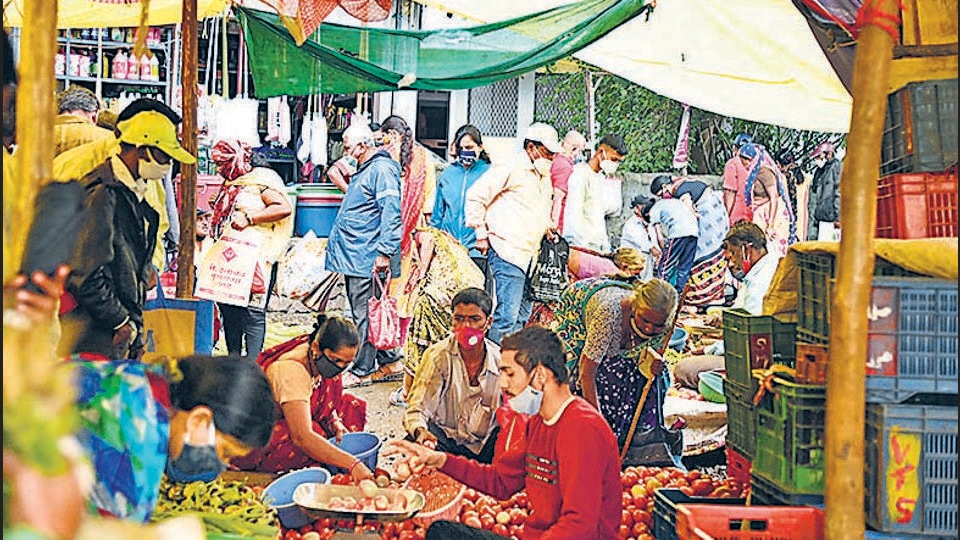
On June 29, the Yashwantrao Mohite Krishna Cooperative sugar factory in Satara’s Karad taluka held its elections for its board of directors. Over 47,000 farmers from the villages located in the five talukas located in Satara and neighbouring district, Sangli, came together to cast their vote.
The thick tail of Maharashtra’s second wave
Forty-three year old Santosh Kapurkar, a farmer from Rethre Budruk village in Karad taluka, Satara, was an active campaigner and volunteer in what is one of Western Maharashtra’s most prominent agricultural elections. At the time, Satara district was on Level 3 lockdown, which meant that no large gatherings were permitted and shop timings were restricted to 4 pm.
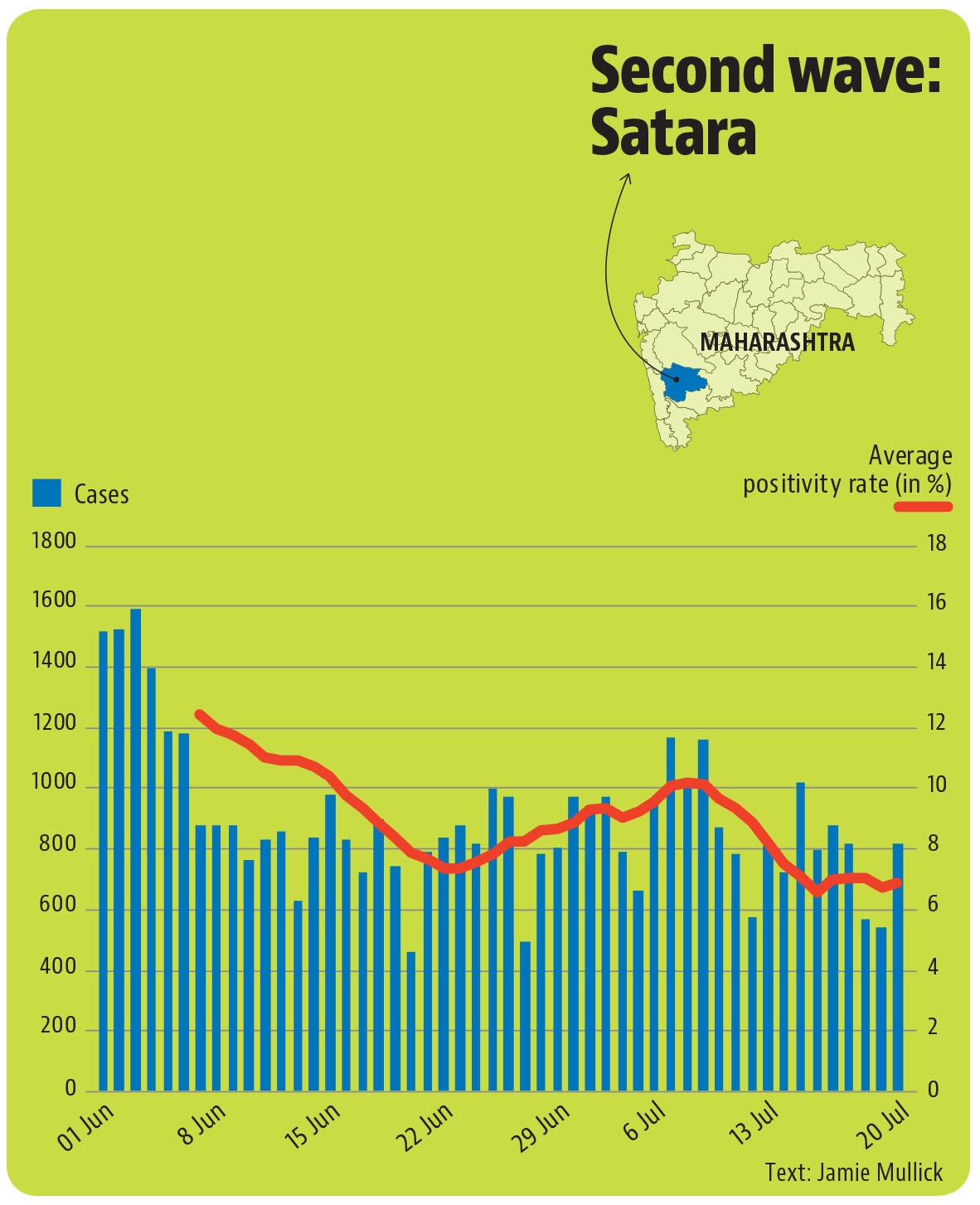
On July 4, Kapurkar died. In Karad, the numbers had been receding, but a spurt followed the elections. In the week between May 9 and 15, for instance, Karad recorded 1,438 cases. Then they rose again: from 1,139 cases between June 6 and 12 to 1,722 between June 27 and July 3. In the week between July 4 and 10, the new Covid-19 cases reported in Karad taluka alone were 2,042 -- this, even as other talukas in Satara were reporting a declining trend. In June, as candidates campaigned, Karad’s numbers accounted for 21% of all news cases in the district; by July 18, it accounted for 30% of the district’s total count.
In Pune, rural areas drove surge
In May, during the peak of the second wave in Satara district, Phaltan and Satara reported the highest number of new cases (13,248 and 12,027 respectively). At the time, Karad was the fourth highest among all the talukas in Satara district. The following month, it moved to the top spot: 5,934 new cases out of the district’s 27,905.
To be sure, the election was only held after the Bombay High Court’s order (it was issued before the start of the second wave), but a thousand or more of voters often gathered at sabhas during campaigning in June, and very often, Covid-appropriate behaviour was not followed.
Rise in numbers
“Karad is the most densely populated taluka in the district and is a trade and market hub, not just for Satara but for neighbouring Sangli and Kolhapur as well. During the first wave too, Karad was one of the most affected talukas. The sugar mill elections also added to the rise in cases. We did act against people for not wearing masks and filed FIRs under IPC and Disaster Management Act,” said Karad Tehsildar Amardip Wakade. At least 14 First Information Reports were filed in the second half of June while election campaigning was ongoing, Wakade said.
In Kolhapur, young adults await a jab
Kapurkar’s brother, Krushnat said, “The week that my brother died, the village saw a spurt in the number of cases and also deaths. Before the campaigning began in the month of May, the numbers had dwindled down to single digits Covid19 cases daily in Karad.”
Dr Indrajit Mohite, who runs a private clinic in Karad and who also contested the election said that while all restrictions were stipulated, it was difficult to adhere to them. Mohite led the Rayat panel, one of the three panels contesting the election. The Rayat panel lost the election by over 15,000 votes.
“We knew that it was a grave mistake to conduct the elections in this season. Even though section 144 is in place, which means no more than five people can gather at one area, the sabhas saw large gathering and even for door-to-door rallies, one candidate would take at least three-four supporters. It was not possible to follow Covid appropriate behaviour. Before the elections, we had over single digit cases reported in the Taluka, but post-election we reported even 100 cases daily,” he said.
“Everyone in the southern villages knows someone or the other who is either infected with Covid19 during the election campaigning and who later succumbed to the infection,” said a villager on condition of anonymity.
But the elections are not the only reason that drove up the numbers. Soon after the lockdown eased in several parts of the state, tourist destinations – many of which are in Satara district – began to witness an influx of people. Not everyone followed Covid norms. Although tourist sites remain shut according to state directives, popular destinations including Mahabaleshwar, Wai, and Kaas plateau are often crowded during the weekends.
Cause for concern
As of July 23, Satara district reported 210,000 cases and 5076 deaths due to the Covid pandemic. District officials peg the start of the second wave in April, after neighbouring Pune began to record a meteroic spike in cases. Satara reported 24,080 active cases on May 12: its highest active cases count. For over a month now, Satara has been one of the five districts of concern in the state reporting more than 10% or more than state average positivity rate. The highest weekly positivity rate recorded was 33% in the first week of May; as of the third week of July, the number is 7.2%.
In Sangli, monitoring system vs lockdown fatigue
According to collector and district magistrate Shekhar Singh, the rise in cases began at Phaltan and Khandala talukas which abut Pune district.
“Satara saw its second wave peak in the month of May. As of now Satara is under Level Four restriction and as per the state government guidelines we need to stay below 10% average positivity rate for at least two weeks following which we can take a call on whether to ease Covid-19 restrictions or to continue with them,” Singh said.
State and district officials are also keen to monitor the crowding at tourist spots and Section 144 remains in place.
“We have issued orders and made it mandatory for tourists as well as hoteliers to ensure that they have a negative RT-PCR report when they enter the taluka. Hotel staff has to undergo RAT tests every 10 days. Along with the tehsil office, the council and the local police also penalise tourists and people found roaming around without masks or sneaking into popular tourist points despite barricades. With these efforts in place as of now Mahabaleshwar is reporting only 1-2 new Covid-19 cases daily,” said tehsildar Sushma Chaudhari.
Mahabaleshwar, one of the most popular tourist spots in the district has seen a steady rise in reported numbers from the beginning of the year: from 75 in January to 1579 in April. During the full lockdown in May, it recorded 806 cases. Wai, another popular tourist destination saw a spurt in the cases too: from 427 in March to 3624 in May. Wai, famous for its waterfalls, saw a spurt in the cases too: from 427 in March to 3624 in May. In June, Wai reported 1,118 new cases.
“Satara is now seeing a downward trend in terms of Covid-19 cases, but the primary reason why the number did not fall as much as we would have wanted is basically because people refuse to follow the Covid-19 appropriate norms. The weekend crowds at the tourist spots and thousands of farmers gathered for election rallies -- these events facilitated the spread,” said civil surgeon Dr Subhash Chavan.
According to Dr Pradeep Awate, state surveillance officer, a migrating population from Pune and Mumbai led to a spurt of cases in the district. However, while Pune saw its declining trend in June, Satara still reports a higher than state average positivity rate which qualifies it as a district of concern.


