E-Paper



MP government notifies Pandhurna, Maihar as new districts in cabinet meeting
In the cabinet meeting, which is likely to be the last before assembly election later this year, as many as 118 proposals announced by chief minister Shivraj Singh Chouhan were approved

 Prefer HTon Google


The Madhya Pradesh government on Thrsday notified Pandhurna and Maihar as two new districts in the state after the cabinet meeting late on Wednesday night.
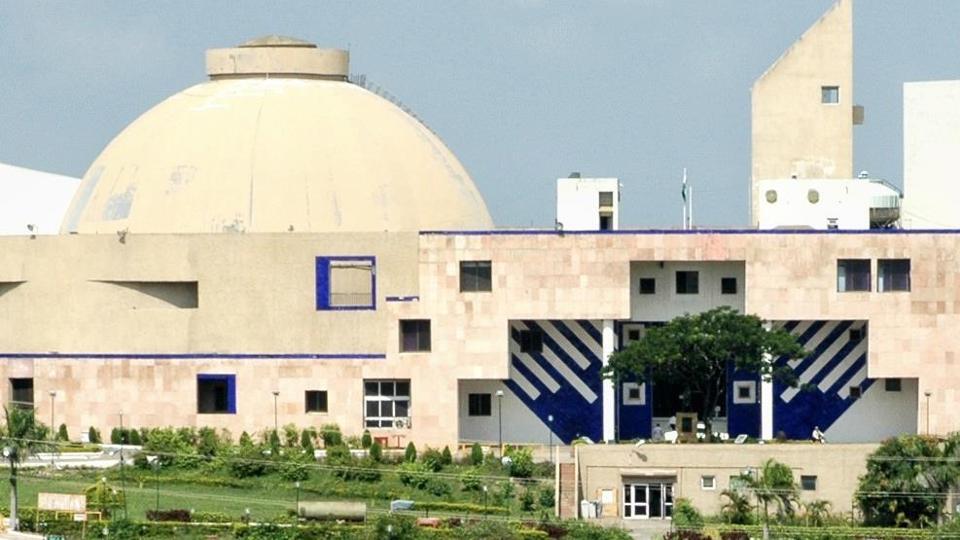
In the cabinet meeting, which is likely to be the last before assembly election later this year, as many as 118 proposals announced by chief minister Shivraj Singh Chouhan were approved.
Apart from two new districts, the cabinet approved nine welfare boards, eight new municipal councils and 18 irrigation projects among others.
Medical education minister Vishvas Sarang said, “The cabinet has approved the formation of two new districts, Pandhurna and Maihar and eight municiapl councils - Nahargarh, Simaria, Barodiya, Gandhinagar, Singhpur, Gulana, Rahatgaon and Beohari. The nine welfare boards Madhya Pradesh Vishwakarma Welfare Board including Rajak Kalyan Board, Swarnkala Welfare Board, teli Board, Kush Kalyan Board, Veer Tejaji Welfare Board, Maharana Pratap Welfare Board, Jai Meenesh Welfare Board and Maa Puri Bai Keer Welfare Board.”
Also Read: Poll-bound Madhya Pradesh notifies 35% quota for women in govt jobs
The cabinet also approved the proposal of charging one time examination fee for competitive examinations being conducted by the Staff Selection Board (SSB).
Under Niramay Yojana, government employees, workers and contract employees will get the benefits of Ayushman Bharat Yojana.
“It was also decided to increase the salary of forest guards. The workers of the shops of cooperative societies will be given an additional remuneration of ₹3,000. The decision to increase the rates of daily honorarium and allowances for performances to tribal and folk artists has also been taken,” said Sarang.