
PFI’s political wing SDPI wins 3 municipal seats in Neemuch district
The first phase civic body election results in Madhya Pradesh were declared on Sunday, while the counting of votes for the second phase of polling was held on Wednesday.
Bhopal: Three candidates of the Social Democratic Party of India (SDPI), a political wing of the Popular Front of India (PFI) won the councillor elections from Neemuch, which witnessed communal tension in May this year.
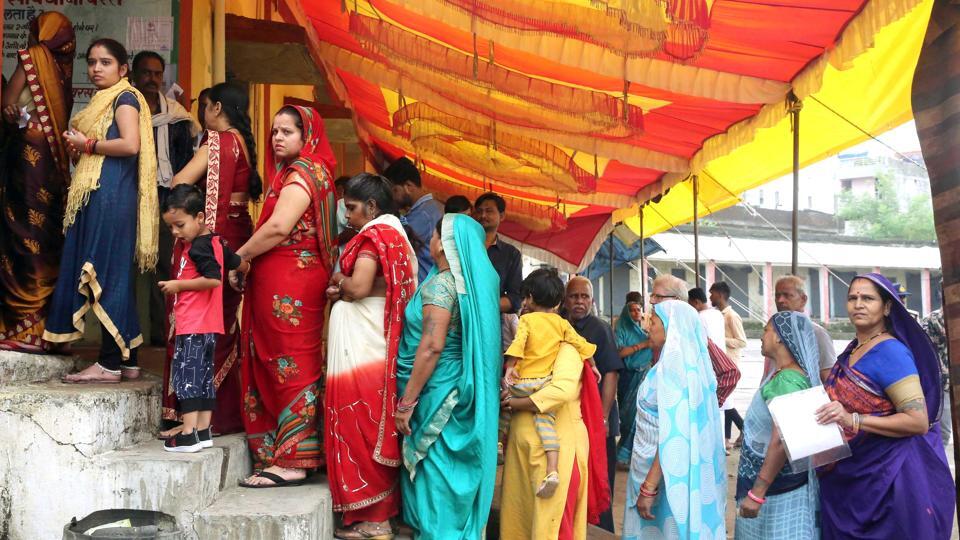
SDPI candidates Arbina Bi and Jafar Shah won from wards 10 and 11 of Rampur municipality of Neemuch district by defeating two BJP candidates while Jafar Shah won from wards no 11 of Manasa by defeating a Congress candidate.
PFI and SDPI have become active in a dozen districts of Madhya Pradesh over the past two years.
SDPI leader K Saleem from Indore said, “Congress leaders have asked us not to contest the election because it will help BJP like AIMIM. By defeating BJP candidates, we have proven that SDPI is fighting for the rights of people.”
In the run-up to the civic elections, state home minister Narottam Mishra had repeatedly targetted the SDPI, calling it anti-national.
Saleem attributed the party’s win to the goodwill for SDPI after its volunteers saved lives during the floods in the city two years ago.
BJP spokesperson Rajneesh Agrawal insisted that too much should not be read into the SDPI wins., “Many factors are involved in local bodies election so it is wrong to say that they (candidates) won because of SDPI.”
In May this year, communal violence erupted in Neemuch after some people tried to install a Lord Hanuman idol near a Muslim Shrine.
ABOUT THE AUTHORShruti TomarI have spent over a decade chronicling Madhya Pradesh’s political and social landscape, covering politics, investigative journalism, crime, human interest, and government policy, blending sharp insight with ground‑level depth. I have closely tracked three assembly elections, three Lok Sabha elections, leadership transitions in MP while exposing governance lapses, tender irregularities, and flawed policy rollouts. My reports have revealed gaps in the Cheetah project, irregularities in medical education, rigging in recruitment exams, and loopholes in policy implementation. In crime reporting, I have moved beyond FIRs to map systemic patterns — from organised crime networks and gender‑based violence to custodial accountability — balancing urgency with sensitivity. My journalism is defined by a commitment to human interest. I have profiled the marginalised Bancchda community, documented atrocities against tribal groups, and highlighted efforts to preserve their culture through heritage liquor and revival of spiritual practices. I have reported on farmers struggling with failed MSP promises, giving voice to those often reduced to statistics in policy files. Passionate about field reporting, I have reported on rampant sand mining in Chambal and Narmada, pharmaceutical companies supplying medicines under altered names, the dire condition of schools and colleges, the plight of commercial sex workers, and skewed sex ratios in specific districts. Beyond deadlines, and as HT’s state correspondent and assistant editor in Madhya Pradesh, I engage with ministers, farmers, students, and activists, believing the best policy stories begin with a single human voice. A postgraduate in Journalism and Mass Communication, I also hold a diploma in sports journalism.Read More

E-Paper


