
 E-Paper



Celebrating tradition, the Lohri way
Lohri marks the beginning of harvest season and pays ode to the sun deity. Punjabi families in the city share their festival celebration moments


The beginning of the New Year and the onset of spring calls for celebrations of various kinds. In Punjab, the second week of January marks Lohri, where families come together to worship the sun god and celebrate the winter crop.
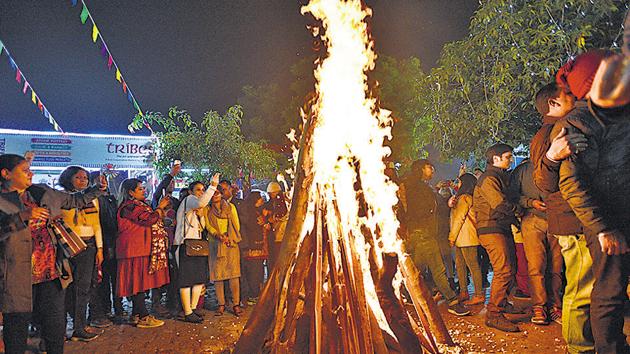
Punekars who celebrate Lohri share what is special about the festival and what they plan to do this year.
For singer Neeta Verma Gujral, this year’s Lohri is special as it will be her daughter’s first festival. “We’ll be celebrating with our relatives and neighbours who are predominantly Maharashtrian and some will take part in the lighting of bonfire, folk songs, throwing of rewadi (made of jaggery and sesame seeds), popcorn and peanuts for the first time...so it’s gonna definitely be memorable for us.”
Like every year, this year too wedding planner Amrreeta Khurana and family are looking ahead to celebrate Lohri with great zeal. “We were planning to visit our hometown, but extreme cold weather conditions made us change our plan and hold a house party instead with close friends and family.”
Winter foods like gur ki roti, makhana kheer, til barfi with North Indian menu is planned for dinner. She says, “The bonfire will be lit. We have called for live dhol and gidda singers to sing Lohri songs and Punjabi folklore. I remember my mother-in-law singing “Sunder Mundriye Ho” (song of Lohri) back home.”
Traditions kept alive during contemporary celebrations
Khurana says, “Isn’t it best to keep the traditions alive by celebrating it. My husband is a North Indian and I am a Maharashtrian, but we both plan traditional celebrations every year, be it Lohri, Makar Sankranti, Padva or Gurpurab. Traditional celebrations are a great way of getting together, celebrating and reinstating our belief and value system.”
Rajvinder Singh Bamra, an engineer, says, “The idea is to keep traditions alive by ensuring that festivals are celebrated. This way awareness spreads and new generations get to know of our roots and rituals. It also works as a bonding exercise for family.”
Mouth-watering delicacies
Chole bhature, makke di roti sarson da saag , gajar ka halwa, saffron and cardamom milk, rewari gajak (made of sesame seeds, jaggery and peanuts) for prasad (offering made to god).


