
 E-Paper



Acclaimed Punjabi short story writer Mohan Bhandari passes away at 84
A recipient of several awards, Mohan Bhandari was also a translator besides being a prolific writer of short fiction

 Prefer HTon Google


The news of the death of acclaimed Punjabi short story writer Mohan Bhandari travelled in Chandigarh’s literary circles in no time on Friday.
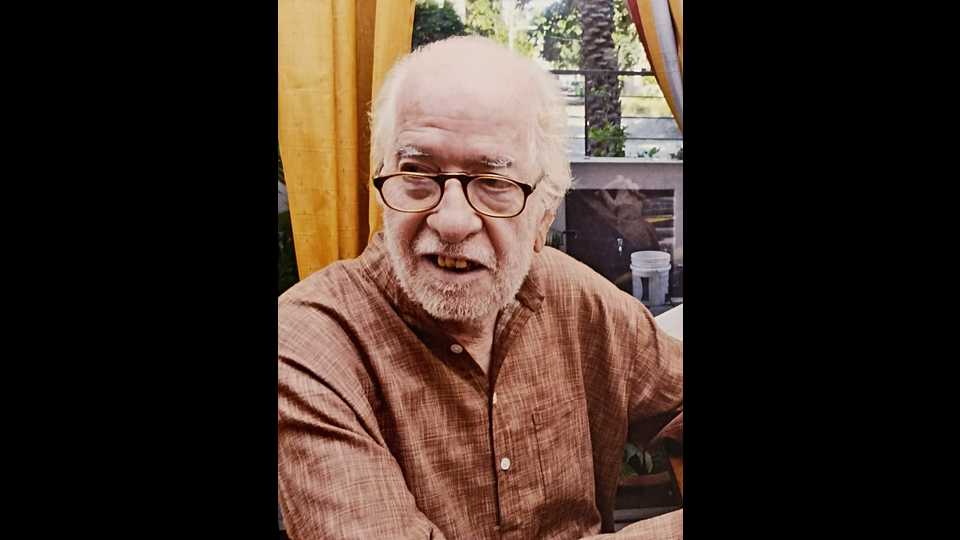
Ailing for some years, the writer breathed his last at his Sector 34 home.
He was 84.
A recipient of several awards, Bhandari, besides being a prolific writer of short fiction, was also a translator. He had to his credit five collections of short stories and as many books of stories translated from Hindi and Urdu. Apart from that, he edited a number of books.
He won the Sahitya Akademi award for his collection of stories ‘Moon di Akh’ in 1997. He, however, returned the award in 2015 in solidarity with the nationwide protest by writers against alleged growing intolerance. “It pains me to see growing intolerance and communalism against which we writers have always raised a strong voice in our writings. Returning the award is a way of bringing attention to the disturbing conditions prevailing in the country today,” he had said.
Early life
Bhandari was born in Banbhaura village of Punjab’s Sangrur district to unlettered parents on February 14, 1937. His father had a small shop which he gambled away along with the little land he owned. Bhandari grew up in tough times but the village landscape and life influenced him richly and he wrote his first short story in Class 9 and there was no looking back since.
The story that made him famous, which I had the privilege of translating into English was ‘Mainu Tagore Bana de, Ma’. It is a tale of love and longing of a bright village schoolboy with a flair for writing and has to give up schooling for want of resources. Poverty forces the teen to become a daily-wage labourer. The story had a great impact and Bhandari was counted among one of the progressive writers of Punjabi language.
Chandigarh, the second home
Very much the life and soul of the Coffee House culture in Sector 17, Chandigarh, he worked in the Punjab education department. The city was home to him since the 1960s.
Usually, he would spend his lunch time with friends such as late writers Bhushan and Amar Giri, painter Raj Kumar among others. The motley group would hold deep discussion on life and literature over coffee and cigarettes (there was no ban on public smoking back then).
The writer is survived by his wife Nirmal and three sons, Sanjeev, Rajiv and Rahul.


