
 E-Paper



After successful pilot, PGIMER Chandigarh to roll out more digital payment machines soon
As a part of the pilot project, PGIMER had installed a single machine for digital payments near counter number 16 at the Nehru Hospital


The Post Graduate Institute of Medical Education and Research (PGIMER) will soon install more machines using which patients can make digital payments for medical tests, surgeries and other hospital expenses.
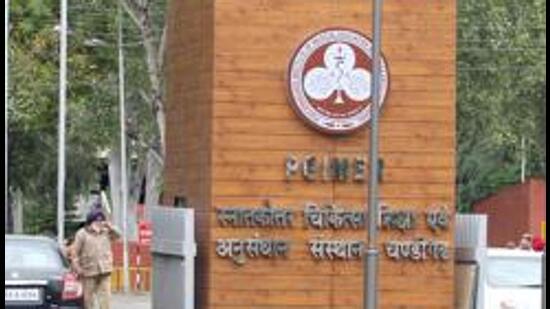
As a part of the pilot project, the institute had installed a single machine for digital payments near counter number 16 at the Nehru Hospital. As per authorities, the pilot project has been approved as the patients have made successful digital payments and the machine was working smoothly.
Speaking about the same, PGIMER director Dr Vivek Lal said, “Now, the patients and their attendants need not stand in queues for hours. They can use credit or debit cards for making quick payments. Besides, there will be an option to scan QR code to do digital payments.
“Earlier, we were facing some technical glitches in linking the bank accounts and other technicalities, but now the machine is working smoothly. We will install over 40 such machines in the entire institute for public convenience,” he added.
ALSO READ: HC asks PGIMER Chandigarh if minor’s 27-week pregnancy can be terminated
The institute is also working to upgrade the hospital’s information system with updated software versions, wherein health services will be digitised and made patient-friendly.
The standing finance committee has already approved the ₹27-crore hospital information system (HIS) version 2 project, which will improve technology-based patient and health services, its queue management system and provide easy integration of Government of India’s digital missions.
At present, PGIMER is using the first version of HIS, which was installed in 2007. Many of the institute’s patient-friendly projects, including SMS facility for laboratory tests, online payments of treatment, online registration of outpatient departments—are dependent on the system and presently facing implementation issues.
“Our technical team is working on the HIS-2 project and once functional, it will also improve the payment and registration methods”, Lal added.


