
 E-Paper



Amid coal crisis, high water level in Bhakra, Ranjit Sagar reservoirs a relief for beleaguered PSPCL
The water level in the three reservoirs of Punjab and Himachal Pradesh are better placed as compared to the previous year and there may be more generation from hydro plants this year during the paddy season.

 Prefer HTon Google


Amid coal crisis and power tariff going through the roof, the high water level in Bhakra and Ranjit Sagar Dam (RSD) reservoirs has come as a major relief for beleaguered Punjab State Power Corporation Limited (PSPCL).
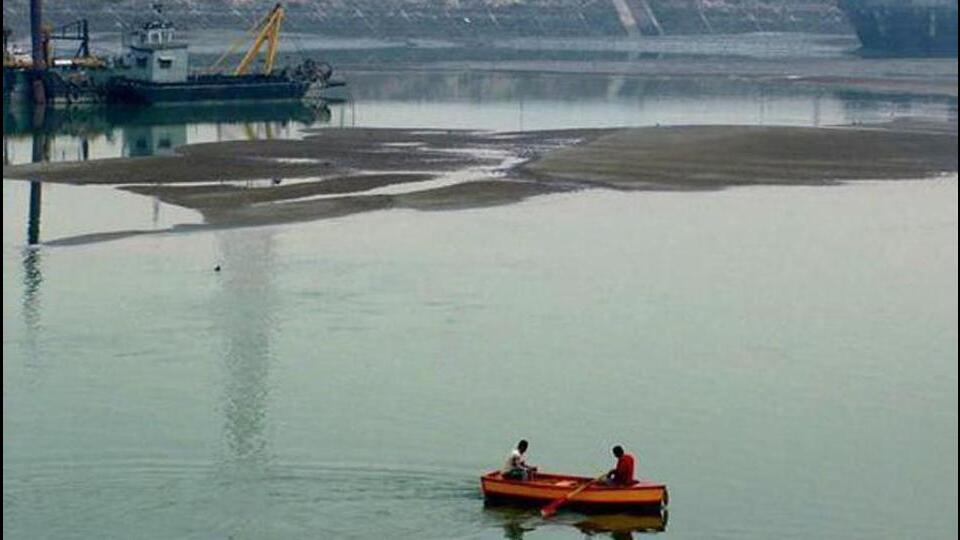
The water level in the three reservoirs of Punjab and Himachal Pradesh are better placed as compared to the previous year and there may be more generation from hydro plants this year during the paddy season.
On Monday, the water level in Bhakhra reservoir was 1,570 ft, 36 ft higher than the level at the same time last year1,534 ft.
The reservoir level in Ranjit Sagar Dam is 1,669 ft, which is 30 ft higher than the corresponding period on the same day last year. Similarly, Pong dam had water level at 1322.43 ft, 24 ft higher than the last year.
The filling season of reservoirs would begin from June 1, and extend up to September 20.
As per the central water commission (CWC) weekly report ending March 31, Himachal Pradesh and Punjab are among those states which have better storage than the previous year for the corresponding period. However, the storage during the current year is better than the corresponding period of last year but it is less than the average storage of last ten years during the corresponding period.
These days water inflow is more than water usage at these
The initial long range monsoon forecast is expected in about two weeks and only then the picture about the water level during the paddy season will be clear. In case of a normal monsoon, power generation from hydro stations will offset shortage of thermal generation to some extent due to likely coal problems.
“Amid the coal crisis and higher electricity rates, Punjab is finding it hard to meet the rising power demand. In such a scenario, it is good news for Punjab, as it has the largest share in the BBMB, and the RSD works as a peaking station during summer to meet the power demand,” said a PSPCL official. He said that the PSPCL was already using the RSD when some private plants faced a coal crunch.


