
 E-Paper



Amid drone threat, BSF grapple with foggy conditions, step up vigil along Indo-Pak border
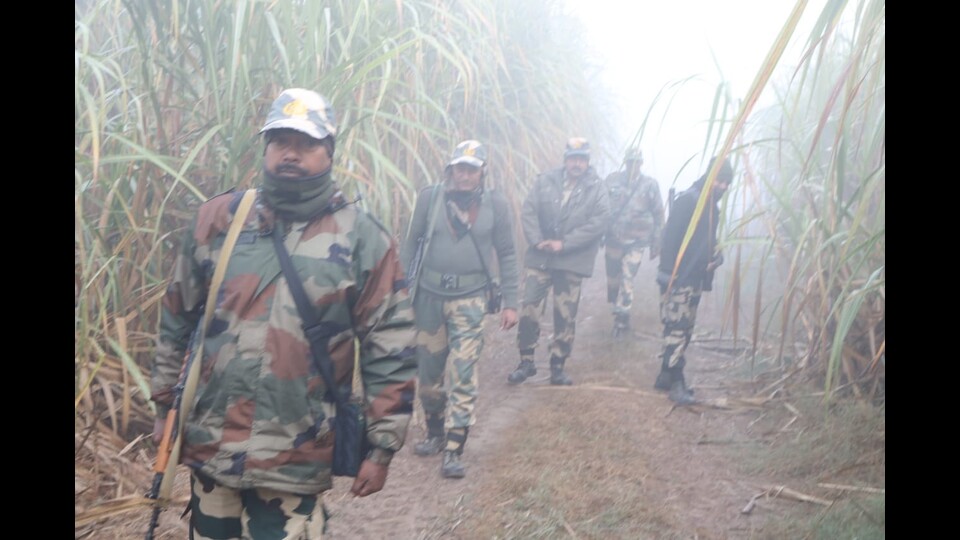
BSF has stepped up its vigil along the Punjab border with Pakistan keeping in view the onset of the foggy season and the threat of drones used for the smuggling of contraband and arms

 Prefer HTon Google


AMRITSAR: The Border Security Force (BSF) has stepped up its vigil along the Punjab border with Pakistan keeping in view the onset of the foggy season and the threat of drones used for the smuggling of contraband, arms and other illegal consignments.
The BSF has already noticed many folds of increase in the movement of drones this year. According to a BSF official, to date, this year, around 250 drones have been spotted at the Punjab border. In 2021, the count of drones spotted was around 65.
“We are prepared to tackle any kind of situation. Keeping in mind the foggy season, we have increased our naka points and patrolling, and our forces are working round the clock to tackle the drone threat also,” said Prabhakar Joshi, deputy inspector general (DIG), Gurdaspur range.
On Saturday night, two drones were spotted in the Gurdaspur sector.
The drones managed to return to Pakistan after making their sorties on the Indian side amid heavy firing by the BSF.
The BSF reportedly fired 106 rounds and also launched five illuminating bombs (used to light the sky). The subsequent search operation launched by the BSF and Punjab police on Sunday hasn’t resulted in any recovery so far.
Every year, from mid-November to February, fog reduces visibility almost to zero at the border, especially in the morning and evening hours, making it difficult for the security forces to detect the misadventures of the anti-national elements, who use these adverse weather elements to their advantage for smuggling.
“To tackle drone threat, we have no technology through which the flying objects can be spotted. These drones can’t be seen at night, and the possibility of sighting them during dense fog is very less. Our jawans have been engaging these drones based on their sounds,” said a senior BSF official who did not wish to be named.
The official added, “The drones being used by the anti-national elements for smuggling arms, ammunition, drugs and explosives, from across the border, can make their way up to eight kilometres inside Indian territory. There is a need to strengthen around 10 km area from the international border with more manpower and the support of local police and the people if we want to tackle this threat.”
The official further said that these drones are GPS-equipped and deliver consignments at a particular location. “The person receiving the consignment from drones can be hiding in a field or shrubby areas as per his facility. So, we need to keep a strict watch on the persons receiving the consignments,” he added.
He said BSF have anti-drone technology, which has been on trial for around one year, but it seems “ineffective” as the drones used by the anti-national elements are “assembled” ones.
Moreover, the capabilities of gadgets installed at the border to monitor the movement of smugglers and infiltrators also reduce during the foggy season.
BSF uses equipment such as high-definition closed-circuit television cameras (CCTV), LED, laser and flood lights, thermal imaging cameras, hand-held thermal imagers, radars and sensors to keep a vigil on the activities of the anti-national elements.
A senior Punjab Police official said they have already increased their coordination with the BSF, and inputs and intelligence-led information are being shared regularly. The second line of defence has also been strengthened to check the movement of suspects moving near the border.
This year, Punjab Police have busted several modules that were involved in the smuggling of arms and explosives, and drugs from across the border. Besides, the BSF has also gunned down around 15 drones, which were trying to sneak into the Indian side, this year.


