
 E-Paper



Buddha Nullah: Compliance by polluters may be temporary, says NGT
Such a situation can affect authenticity of sample testing results, says tribunal, calls for permanent measures


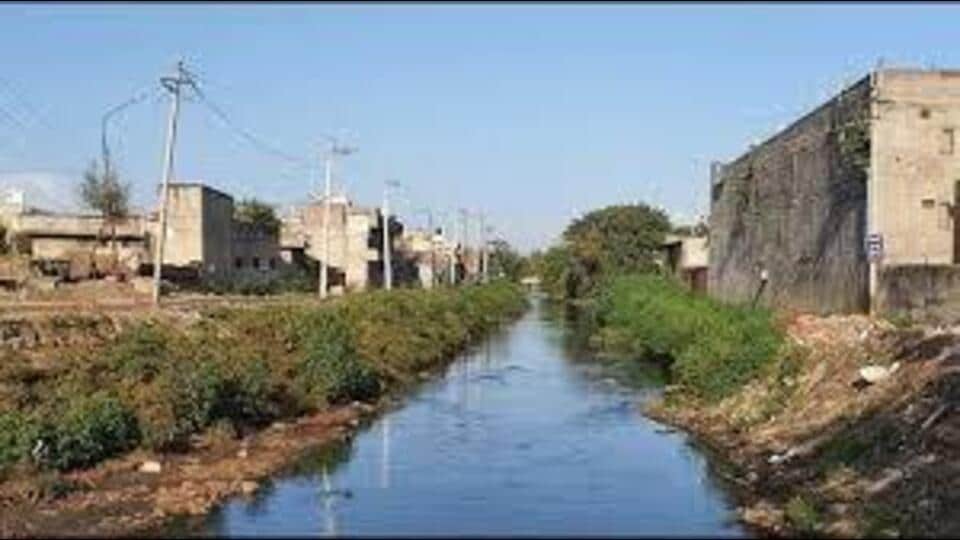
The National Green Tribunal (NGT) has said the industrial units polluting the Buddha Nullah may be showing compliance only during court proceedings, stressing that permanent measures are needed to stop pollution of the water body.
In an order dated January 13, recently uploaded on the NGT website, the principal bench of the tribunal, comprising Justice Prakash Shrivastava (chairperson) and expert member A Senthil Vel, observed that industries which were earlier found violating pollution norms might be ensuring compliance only while the case is being heard.
The tribunal noted that such temporary compliance could affect the authenticity of sample testing results. It observed that reports prepared during the hearing period might not reflect the actual ground situation once monitoring by the tribunal is reduced.
The bench emphasised that pollution control cannot depend only on court supervision. It stated that a permanent solution is necessary to ensure that Buddha Nullah is not polluted by industries or other violators during normal circumstances when judicial monitoring is not in place.
While taking note of the ongoing administrative studies and processes, the tribunal made it clear that enforcement action cannot be delayed. It directed the Punjab Pollution Control Board (PPCB) to take necessary action for imposing environmental compensation on industries failing to comply with environmental norms.
The tribunal also clarified that monetary penalties alone cannot replace the need for permanent compliance with environmental rules and clearance conditions.
The bench allowed all the parties concerned to submit their suggestions to the Union ministry of environment, forest and climate change (MoEF&CC) and permitted authorities to file further reports before the next hearing.
The order relates to the original application number 225 of 2022 and other connected matters, including cases related to dyeing industry’s common effluent treatment plants (CETPs), concerning pollution in Buddha Nullah and downstream areas of the Sutlej river. The matter will be heard next on April 20.


