
 E-Paper



Ludhiana: Balloke STP underperforming despite ₹16 crore revamp: MC
The 152-MLD sewage treatment plant in Balloke, despite ₹16 crore spent on rehabilitation, fails to function effectively, polluting the Buddha Nullah.

 Prefer HTon Google


Despite spending nearly ₹16 crore on rehabilitation, the 152-MLD sewage treatment plant (STP) at Balloke is still not functioning effectively and untreated or partially treated wastewater continues to flow into the Buddha Nullah, a senior civic body official familiar with the matter said.
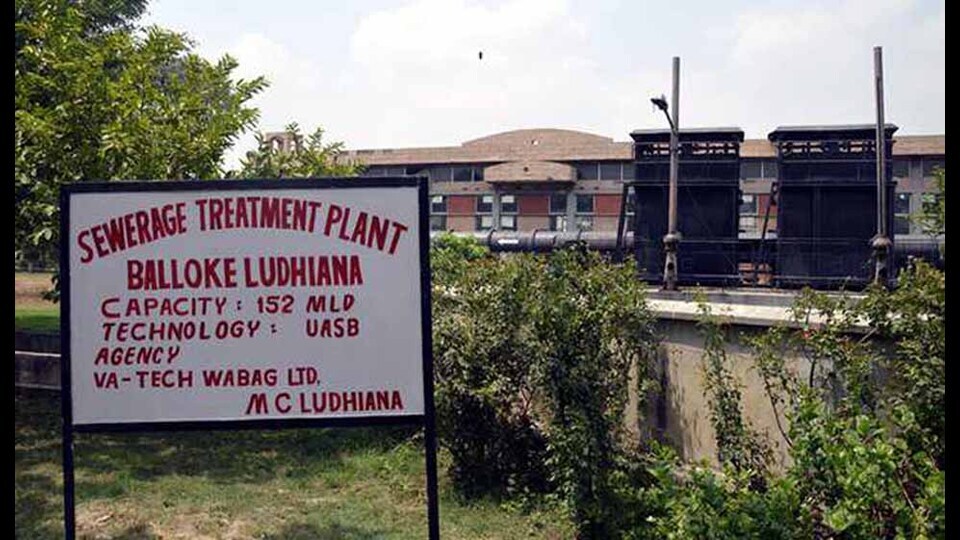
The plant, constructed around 2008 under the Sutlej Action Plan, was developed using UASB (Upflow Anaerobic Sludge Blanket) technology and was designed to treat around 152 million litres of sewage per day before discharging the treated water into the Buddha Nullah. However, officials and environmental experts say the plant has been struggling to perform efficiently for several years.
The Balloke site houses multiple treatment facilities with capacities of 152 MLD, 105 MLD and 60 MLD. Monitoring reports have indicated that the 152-MLD plant is not consistently meeting the prescribed pollution standards, raising concerns about its operational efficiency.
According to officials familiar with the functioning of the facility, the 152-MLD plant was a key component of the Sutlej Action Plan aimed at reducing pollution in the Buddha Nullah. The project also included plans to generate bio-CNG gas from waste produced during the treatment process. However, the initiative reportedly functioned only for about two-and-a-half years before technical and operational issues began to affect the system.
One of the major reasons cited for the deterioration of the plant is the inflow of cow dung and dairy waste from nearby dairy complexes, particularly from Haibowal. The sewage network from these areas is connected to the treatment system, and large quantities of dung and organic waste entering the plant have affected its machinery and treatment process.
Officials said sewage from several areas, including the Haibowal Dairy Complex and adjoining dairy lines, reaches the plant through multiple pipelines. Instead of improving wastewater quality, the excessive load of untreated organic waste has gradually damaged the functioning of the treatment facility.
Around five years ago, authorities sanctioned nearly ₹16 crore for rehabilitation and repair of the plant in an attempt to restore its treatment capacity and improve efficiency.
However, civic body officials say the facility is still not performing as expected and continues to fall short of the required treatment standards.
Environmental activists allege that because of the malfunctioning plant, large quantities of untreated or partially treated sewage are being discharged into the Buddha Nullah, further worsening pollution in the already contaminated drain.
The Buddha Nullah carries municipal sewage, dairy waste and industrial effluents from Ludhiana and has long been considered one of the most polluted water channels in the region. Over the years, several projects have been launched to clean the drain, but pollution continues due to poor maintenance of treatment infrastructure and the continued inflow of untreated waste.
Joint commissioner of the municipal corporation Vineet Kumar said, “The matter is not under my knowledge but I will send teams to inspect the plant. I will direct sewerage board officials to take action against the contractor.


