
 E-Paper



689 examined at 23 medical camps, Mohali fights vector-borne diseases after heavy rains
Mohali civil surgeon Dr Mahesh Kumar Ahuja said check-up camps were being organised for the people affected by waterlogging


Cautioning residents against vector- and water-borne diseases during the rainy season, deputy commissioner Aashika Jain urged them to abide by the health department’s advisory.
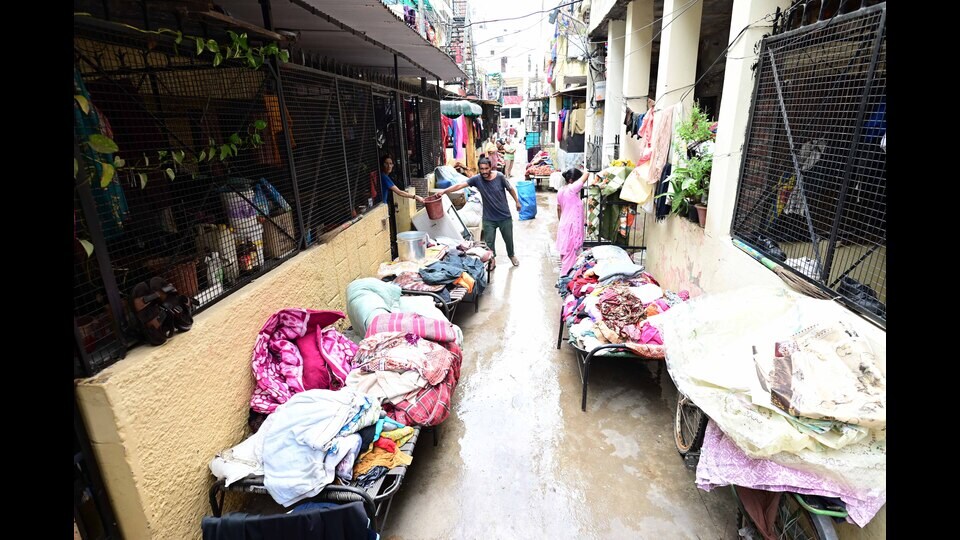
Civil surgeon Dr Mahesh Kumar Ahuja said check-up camps were being organised for the people affected by waterlogging. “So far, 689 people have been examined in 23 medical camps. As many as 37 rapid response teams have been deployed in the district,” he added.
Jain said risk of drinking water contamination had increased amid flooding in different places and consuming it can cause diseases like cholera, typhoid, diarrhoea and jaundice. While maintaining that there was no need to panic, she advised residents to take necessary precautions.
The DC added that owing to accumulation of water, disease-carrying mosquitoes pose a greater threat. She added that medical camps were being organised by health department across the city and rapid response teams have also been deployed.
Dr Ahuja said arrangements had been made at government health institutions where patients can get free treatment.
Intensify efforts against vector-borne diseases, says P’kula DC
Panchkula deputy commissioner Priyanka Soni has asked health authorities to intensify their efforts in preventing vector-borne diseases amid heavy rains. She emphasised the need to initiate groundwork and develop a strategy to address the issue effectively.
Underscoring the importance of preparedness and joint efforts, she recommended enhancing surveillance in vulnerable pockets. “It is crucial to ensure adequate arrangements and supply of necessary medicines at all health centres in the district. In addition, regular water samples should be sent to the department concerned for examination,” she said.
Soni pointed out the need for awareness campaigns, targeting public and patients visiting health facilities.


