
 E-Paper



Chandigarh PGIMER docs unveil treatment for severe liver disease
The team led by Dr Sahaj Rathi, Dr Sunil Taneja and professor Ajay Duseja developed the technique, called EUS-guided porto-splenic split, which was unveiled by Dr Rathi at the Digestive Disease Week conference in Washington, DC

 Prefer HTon Google


A team of doctors from the department of hepatology at Postgraduate Institute of Medical Education and Research (PGIMER) in Chandigarh has developed a new technique for managing hepatic encephalopathy, a serious complication of liver cirrhosis.
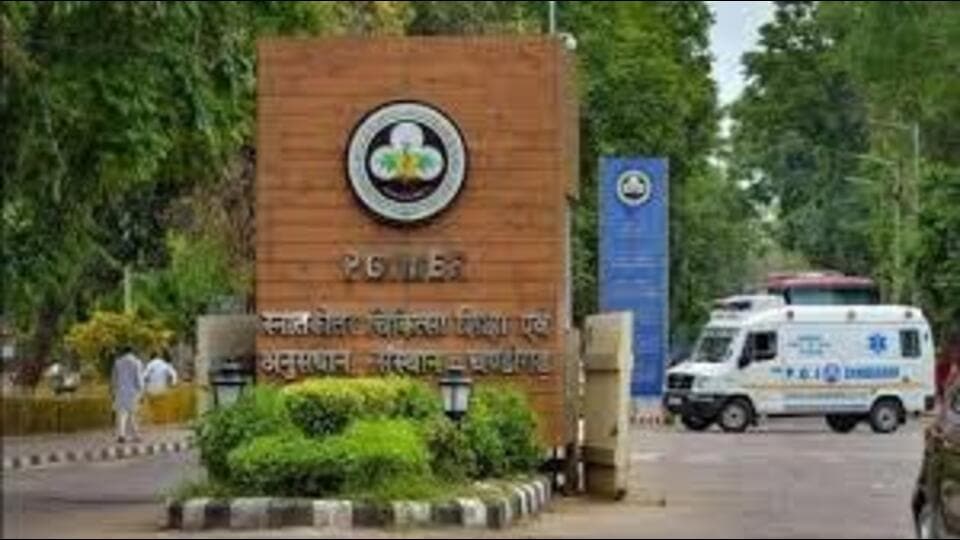
The team led by Dr Sahaj Rathi, Dr Sunil Taneja and professor Ajay Duseja developed the technique, called EUS-guided porto-splenic split (EPSS), which was unveiled by Dr Rathi at the Digestive Disease Week conference in Washington, DC, where it received high praise and earned him the Melwin Schapiro Memorial award for best video presentation.
This event, organised by the American Society for Gastrointestinal Endoscopy, was the largest and most prestigious global gathering of professionals in the field of digestive diseases.
Hepatic encephalopathy is a serious and potentially life-threatening condition that impacts patients with liver cirrhosis, often leading to confusion, behavioural changes, hospitalisations, coma and even death. Usually, the problem is with channels that redirect blood from the intestines away from the liver and towards the heart and brain.
This novel technique utilises endoscopic ultrasound (EUS) guidance to selectively divert this shunting. The team has been actively innovating endoscopic techniques for treating complications of cirrhosis and has recently described another technique called EUS-guided trans-gastric shunt obliteration (ETSO). This was published in the American Journal of Gastroenterology last year.
Professor Duseja said treating hepatic encephalopathy in advanced cirrhosis patients is challenging, with liver transplant being the best option, though not feasible for all due to financial constraints.
For patients where hepatic encephalopathy is the only major issue and liver function is otherwise stable, this new technique offers a valuable alternative, added Dr Duseja.


