
 E-Paper



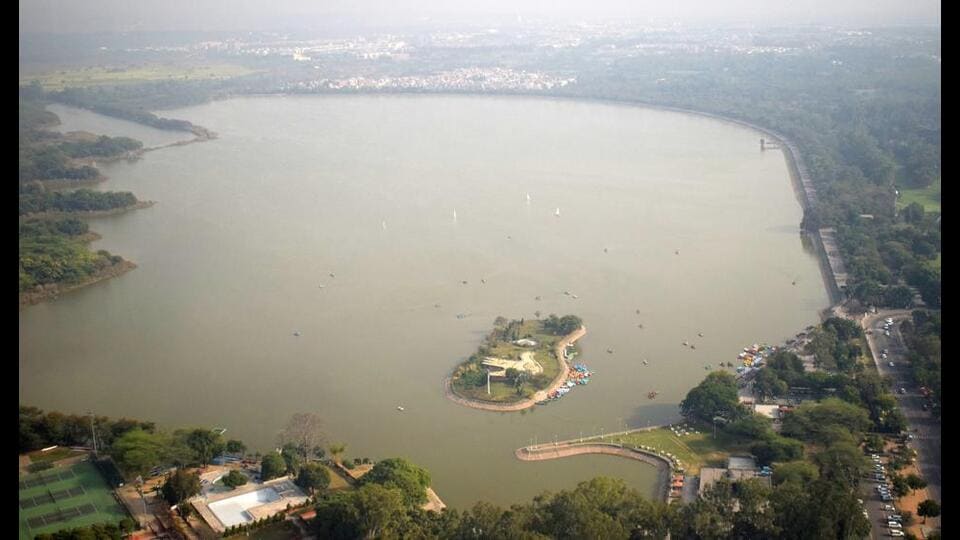
Chandigarh: Sukhna wetland nominated for global Ramsar status
Ramsar sites are wetlands of international importance designated under the Ramsar Convention adopted in 1971 in Ramsar, Iran. India, with 100 Ramsar Sites as of 2026, has the highest number of Ramsar Sites in Asia

 Prefer HTon Google


Chandigarh The Centre has officially confirmed that Sukhna wetland is among the four key sites whose proposals have been submitted to the Ramsar secretariat for designation as wetlands of international importance.
Ramsar sites are wetlands of international importance designated under the Ramsar Convention adopted in 1971 in Ramsar, Iran. These ecologically significant ecosystems play a crucial role in biodiversity conservation, water security, climate regulation, and supporting local livelihoods. India, with 100 Ramsar Sites as of 2026, has the highest number of Ramsar Sites in Asia.
The tag can help attract funding, scientific expertise and policy support for managing issues like siltation and biodiversity loss. It would also strengthen protection of the lake’s ecosystem, boost eco-tourism and environmental awareness, and position Sukhna as not just a city landmark but a globally important ecological asset.
In a written reply in the Lok Sabha, the Ministry of environment, forest and climate change (MoEF&CC) stated that it continually advises states and Union Territories to identify potential wetlands for inclusion under the Ramsar Convention. Based on received proposals, the ministry has forwarded four locations for international consideration: Sukhna wetland (Chandigarh), Glaw lake (Arunachal Pradesh), Gosabara–Mokarsagar wetland complex (Gujarat), and Sauj jheel (Uttar Pradesh). To date, a total of 100 Ramsar sites have been designated across India.
If approved, Sukhna will secure Chandigarh’s first ever Ramsar designation. UT officials previously stated that the tag would help attract vital international funding, scientific expertise, and specialized technical support for managing environmental hurdles.
Spread across 565 acres, Sukhna wetland was formally declared a national wetland in 1988. Its extensive adjoining catchment area, covering over 10,000 acres. The man-made lake sustains a rich variety of flora and fauna, serving as a critical habitat for migratory bird species and playing a foundational role in maintaining the region’s ecological balance.
Significantly, the wetland qualifies for three of the nine strict Ramsar criteria. It actively supports vulnerable, endangered, and critically endangered species essential for maintaining the biological diversity of the biogeographic region.


