
 E-Paper



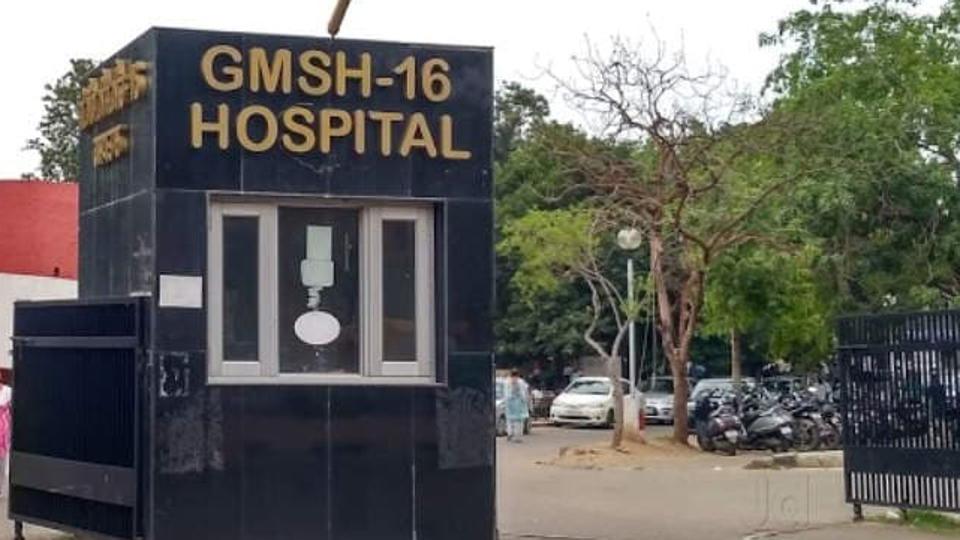
Chandigarh: GMSH to start RT-PCR testing soon
In the absence of a machine, GMSH-16 sends around 1,000 to 1,200 samples to PGIMER daily; some are sent to GMCH-32

 Prefer HTon Google


In an effort to strengthen the medical facilities at the government hospitals before a possible third Covid wave, the UT health department has decided to start reverse transcription polymerase chain reaction (RT-PCR) testing at the Government Multi-Specialty Hospital (GMSH) in Sector 16 here.
RT-PCR test detects the presence of viral RNA and is quite accurate. It is the most recommended test for tracing infection in individuals suffering from influenza-like symptoms and Covid-19.
During the peak of the first and second waves, the health department was struggling to conduct RT-PCR tests at the government facilities and to catch up with the daily testing targets set by the Union ministry of health.
Besides private hospitals, the UT health department was dependent on Post Graduate Institute of Medical Education and Research (PGIMER) and Government Medical College and Hospital (GMCH), Sector 32, for RT-PCR testing.
GMSH only has TrueNat machine
Meanwhile, GMSH-16 only has a TrueNat machine that gives results in three to four hours, but is only meant for testing of emergency cases and not mass-scale testing. Besides, rapid antigen tests (RAT) are being conducted at various government facilities in UT, which gives results in 30-45 minutes, but is not accurate.
The PGIMER has a capacity to test 4,000 RT-PCR samples per day. In the absence of the machine at the UT health department’s hospital, GMSH-16 sends around 1,000 to 1,200 samples to PGIMER daily for testing. Some samples are also being sent to GMCH-32.
During the peak of the second wave in April and May, more than 600 samples were being given to private labs daily, and a huge amount of money was being paid to them by the UT administration.
A top official of the GMSH, on the condition of anonymity, said, “RT-PCR testing is the need of the hour as a third wave can hit any time. A proposal has been sent to the central government to set up a RT-PCR machine at GMSH, which will initially have the capacity to test 400 samples daily. Testing, where we were lacking during the first and the second wave, will be enhanced. It will take approximately a month to start the facility.”


