
 E-Paper



Chandigarh: Stray dog issue pitting neighbour against neighbour
A recent case in Sector 8 has once again put the spotlight on the rift between dog lovers who want to feed strays and those who want an end to the “nuisance” caused by them

 Prefer HTon Google


The stray dog issue has polarised various neighbourhoods in Chandigarh. A recent case in Sector 8 has once again put the spotlight on this rift between dog lovers who want to feed and care for the strays and those who want an end to the “nuisance” caused by them.
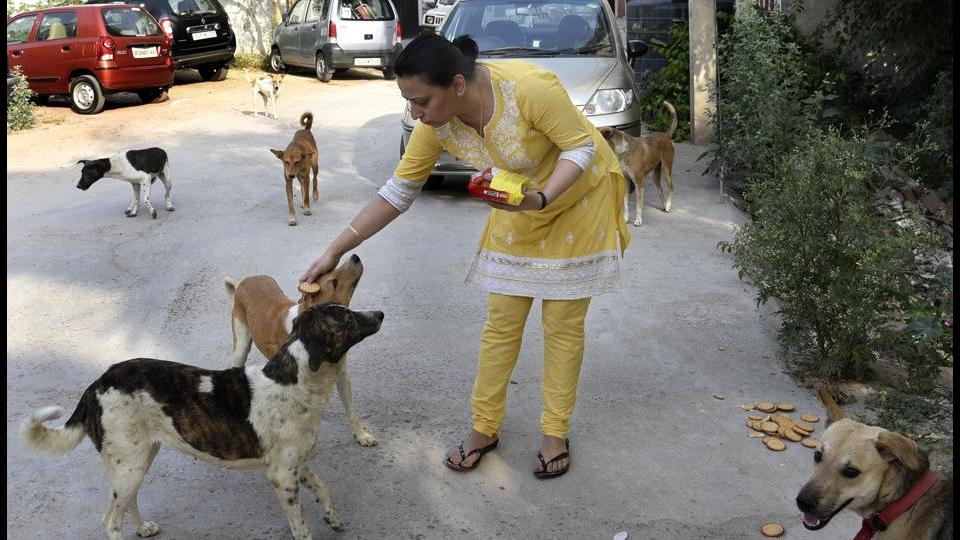
Rajbir Rai, the Sector 8 resident who was issued a show-cause notice on his neighbours’ complaint for allegedly keeping around a dozen stray dogs, calls it a “problem between neighbours” in which stray dogs have been made the scapegoat.
“I care for the strays and feed them. There has been no instance of dog bites due to them,” he says, while alleging that he had earlier filed a complaint of animal abuse against a neighbour that led to the whole episode.
In Sector 22, a woman unwilling to be named, shares how she had rescued a stray dog in February that later gave birth to nine puppies and led to a dispute with her neighbours. “My neighbours even tried to abandon the puppies in a forest area,” she says.
In Sector 37, Sameer Gupta, who lives in a corner house next to the park, is among those who have to deal with the stray dog issue on a daily basis.
“Some animal lovers have made kennels in the park, which often leads to conflicts. As the kennels were made illegally, I had written to the civic body and got them removed in January. The very next day the other group threatened me and rebuilt the kennels,” he says.
A civic body official, who deals with this issue, says on the condition of anonymity: “If the neighbours keep sending us complaints, we have to take action. We often ask people who want to take care of such stray dogs to simply adopt them.”
However, the Chandigarh Registration of Pet Dogs Bylaws allows a family to keep only two pets. A couple of years back there was a proposal to allow a family to adopt two additional stray dogs, but it was not implemented.
District animal welfare officer Inder Sandhu says that “de-escalation” is the key here, and the problem would not arise if the civic body does its job properly. According to Sandhu, there have been many instances where the anger towards dogs was found to be misplaced, and after his intervention, some people had even taken back their complaints.
In March this year, the Animal Welfare Board of India had issued an advisory to all chief secretaries, police departments and civic bodies on handling of such issues. According to it, resident welfare associations and dog feeders should identify feeding spots in the respective neighbourhoods. It also suggests that the station house officer concerned should be made responsible for ensuring that the feeders and other residents don’t cause any kind of harassment to each other.


