
 E-Paper



Curtains down on British-era cinema halls in Shimla
Shimla, the summer capital of the British for 83 years, was once known for its cinema halls and theatres


Shimla, the summer capital of the British for 83 years, was once known for its cinema halls and theatres. After Independence, the Queen of the Hills became a draw for Bollywood with over 35 films being shot in town. Seven decades on, time has taken a toll on the tradition of movie-going but it’s the Covid-induced curbs over the past year and a half that have drawn the curtains on single-screen theatres.
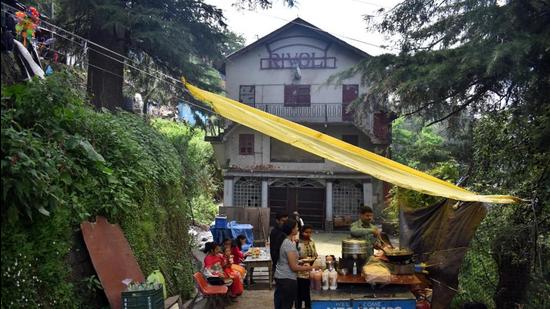
Home to three British-era cinema theatres, namely Ritz, Rivoli and Regal, Shimla has seen their closing down over the years and the two comparatively newer ones are on the verge of closure due to social distancing norms to keep the pandemic at bay.
“Movie halls were an intrinsic part of Shimla’s social world. Within the town, both young and old went to the movies which was a big treat not so long ago. People coming from the rural areas would make it a point to watch a movie if they visited Shimla. A couple of folk songs corroborate this,” says Shimla-based historian Raja Bhasin.
Down memory lane on The Ridge
The hit film of 1960, Love in Simla, was also shot in town, starring Joy Mukherjee and Sadhna.
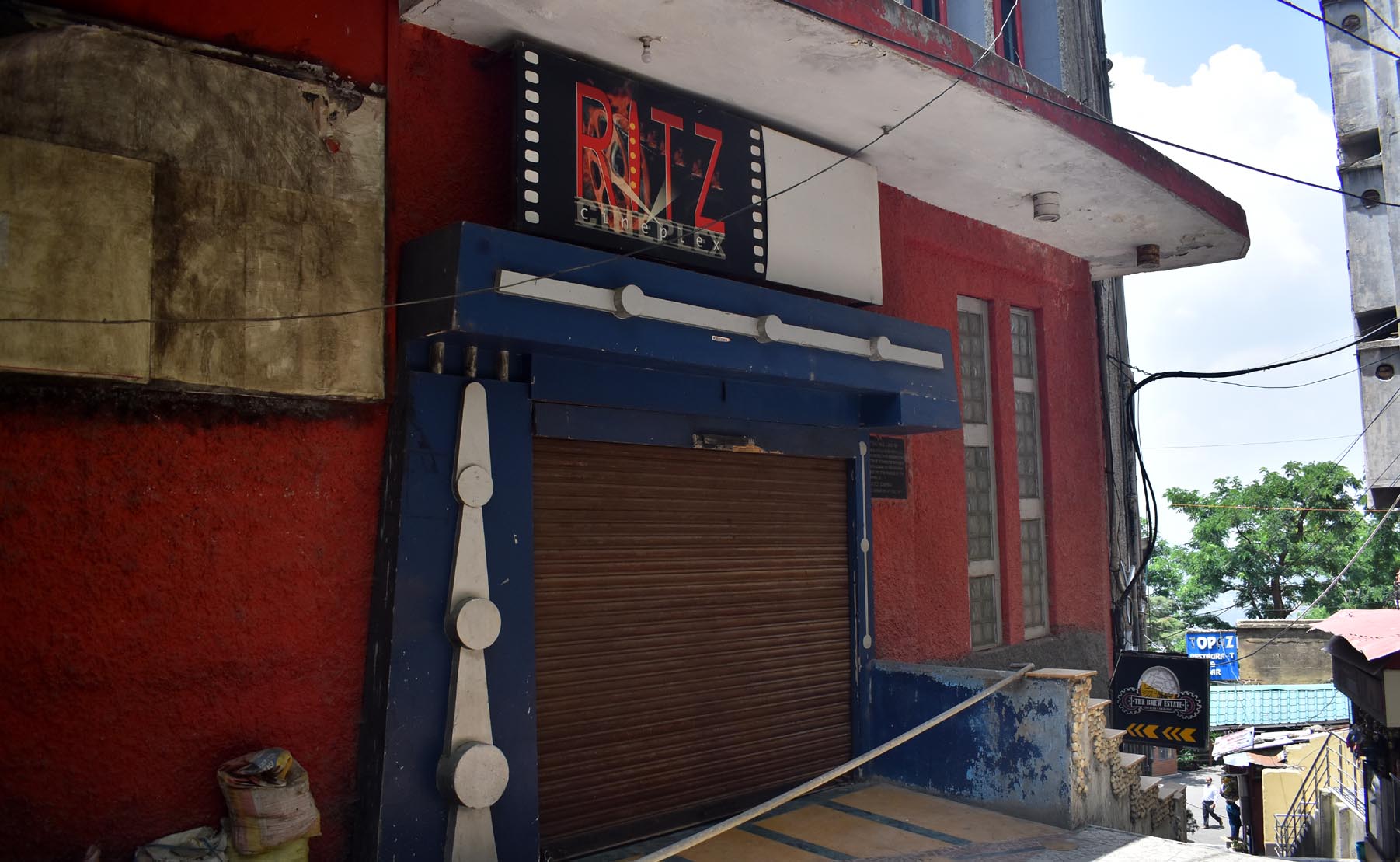
Legendary actor and director Raj Kapoor along with Nargis and Prem Nath visited Shimla in 1950 to promote the iconic film, Barsaat. The premier show was held at Ritz near the historic Christ Church on the Ridge. “It was a great day for the theatre, and for Shimla,” says Ashok Kapoor, 69, who served as a manager at the Ritz for 51 years. “The cinema house has been shut since the lockdown last year. There is hardly any business left now. Viewership has fallen drastically,” he says.
He recalls how the cinema house hosted a special show of Pakeezah in 1972 for Benazir Bhutto, who visited Shimla with her father Zulfikar Ali Bhutto, the then prime minister of Pakistan, for the Simla agreement with his Indian counterpart Indira Gandhi.
Crumbling under vagaries of time
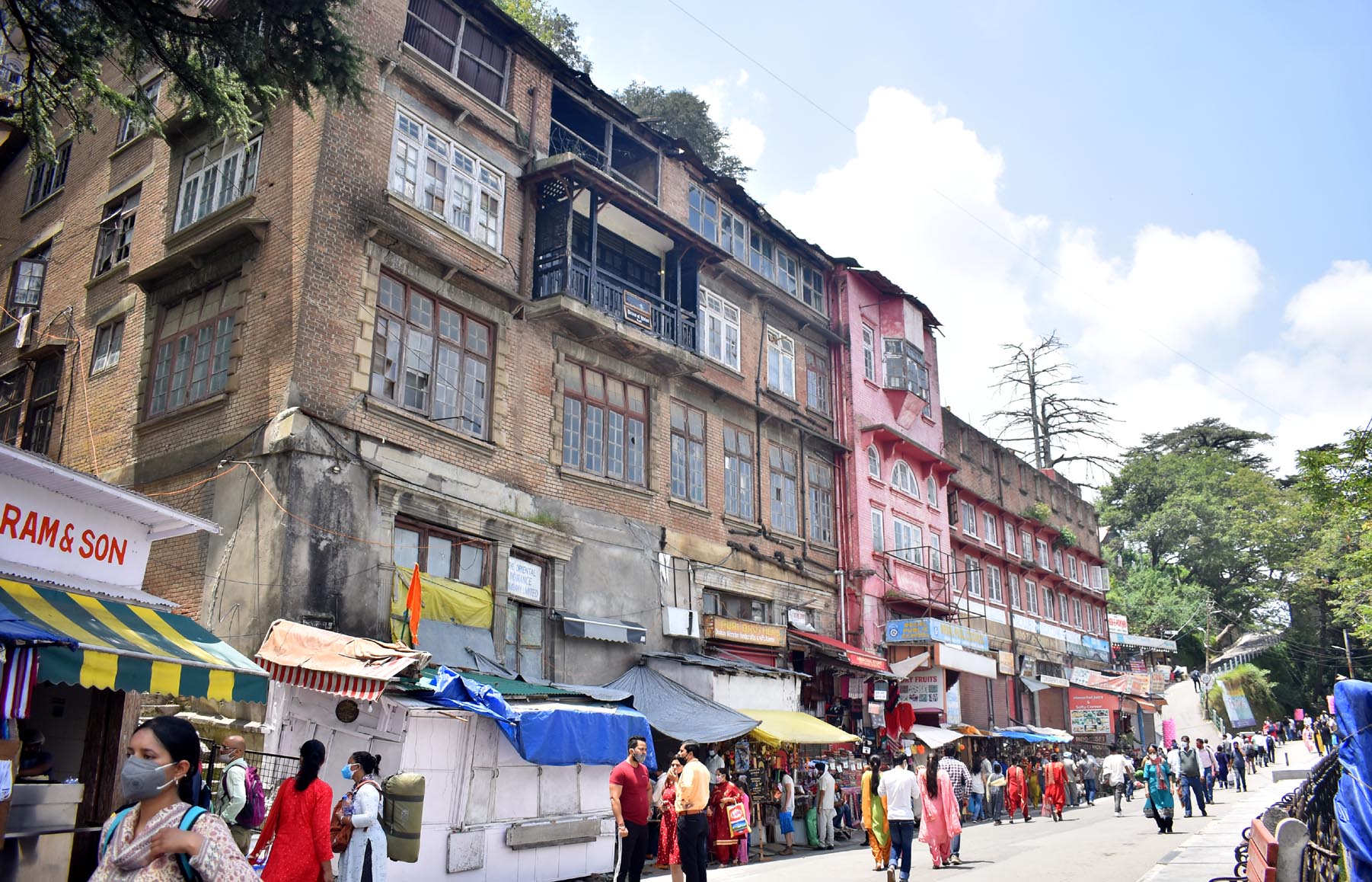
Rivoli was shut down in 2013 after the British-era building was declared unsafe. “Cinema theatres are no longer profitable. We closed it down after the building developed cracks,” says Vinod Seth, the last owner of the theatre.
Regal cinema hall was destroyed in a fire in the mid-’80s. The building was later mired in a property-related dispute.
Shahi, the lone survivor, for aam aadmi
SRS Cinemas set up at the inter-state bus terminus at Tutti Kandi was also shut last year after the owners incurred losses due to the lockdown.
Today, Shahi is the only surviving theatre but it faces an uncertain future. Set up as a theatre for the common man by Shahi Hakim, it’s located near the old bus stand. “This theatre was not located in the vicinity of the Mall as only the elite went to Regal, Rivoli and Ritz. During the British era, one could visit the Mall only in formal attire. Ordinary folks didn’t have a cinema to call their own. So, grandfather made a cinema hall for the common man,” says Sahil Sharma, the present owner.
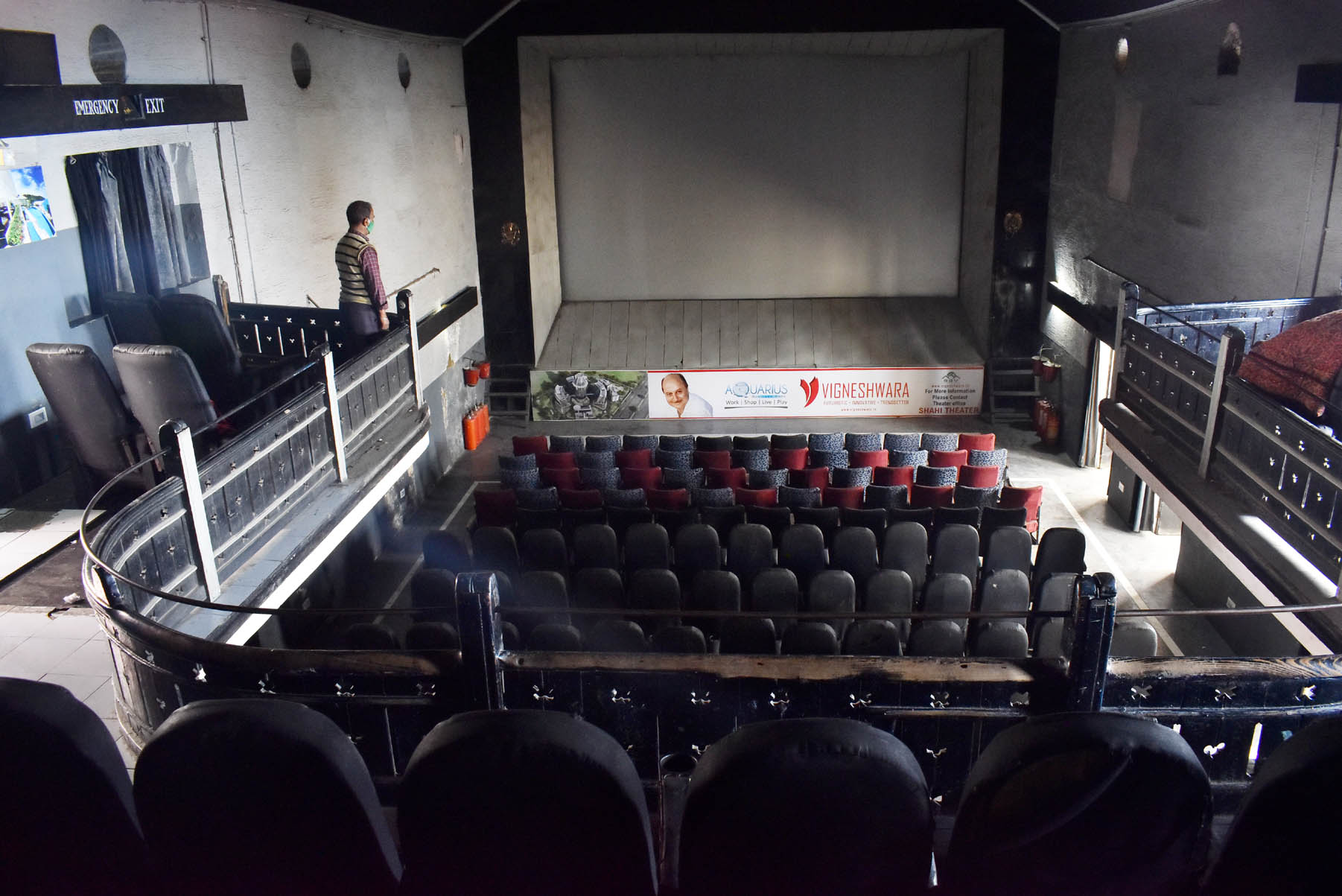
Hakim got Fern Cottage at Ram Bazaar from philanthropist Puran Mull, who gave the property in charity in 1929, and it was converted into a trust in 1930 with businessmen of Shimla as trustees. The trust converted a portion of the building along Cart Road into the Rai Bahadur Puran Mull Dharamshala, but the upper portion where the theatre exists today was with the Republican Party of India.
The office was vacated and a licence to screen films was procured. The rates of the ticket started from 5 annas (30 paise). There were no chairs, but only benches and a labourer inaugurated the hall.
Films began being screened at the hall from June 1953 and soon the theatre became popular with workers. Women avoided visiting it till it was decided that the 12 noon show every Wednesday would be for women.
The benches were replaced with folding chairs when Dilip Kumar’s Mughal-e-Azam was screened.
“Though we don’t want to close it down, the Covid restrictions are making it difficult to run the theatre,” Sharma adds.


