
 E-Paper



Dip in temperatures: Slow melting of glaciers reduces inflow into Bhakra reservoir
The Gobind Sagar Lake, the reservoir of the Bhakra Dam receives 80% of its water from melting snow in the catchment areas spread over 60,000 square kilometres and due to a fall in temperatures, the snow melting in the glaciers is yet to begin. The filling season begins on April 1, which has been delayed


Owing to a fall in temperatures due to unseasonal rains, Bhakra dam reservoir Gobind Sagar Lake’s inflows have dipped mounting worries as to whether the hydel project will be able to achieve its full capacity of 1680 feet.
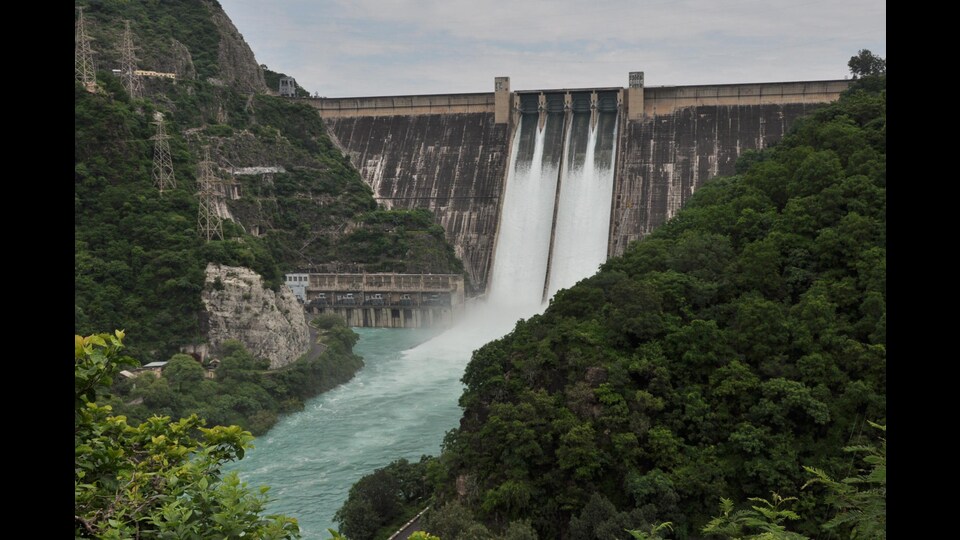
Experts, who did not wish to be named, said, owing to the fall in temperatures at least 8-10 degrees Celsius lower than the average, the Bhakra dam project might get deficit inflows of water which may adversely impact the year-long planning in terms of power generation and supply of water to partner states, for drinking and irrigation purposes.
The Gobind Sagar Lake, the reservoir of the Bhakra Dam receives 80% of its water from melting snow in the catchment areas spread over 60,000 square kilometres and due to a fall in temperatures, the snow melting in the glaciers is yet to begin. The filling season begins on April 1, which has been delayed.
According to the meteorology department, the temperature hovers around 30-34 degrees Celsius during this time of the year with the temperature in plains touching 42 degrees Celsius.
“The glaciers start melting at 4 degrees Celsius but the temperatures are still sub-zero in the higher reaches even at the start of June,” said an officer in the meteorological department. The Bhakra catchment extends to the upper reaches of Kaza and Lahaul Spiti into Chinese territory.
Currently, the inflows into the reservoir are 13,000 cusecs, almost half of the average 25,000 cusecs, even though the water level in the dam’s reservoir is almost the same as last year. Correspondingly the inflows last year at this point were 16,000 cusecs. The current level of 1562 feet is marginally higher than last year’s 1560 feet. The dam fills up to its capacity at 1680 feet.
“We still need a lot of water (120 feet) to fill the dam reservoir for our future needs. The filing season ends in mid-September,” said an officer in the Bhakra Beas Management Board (BBMB) that manages the dam and other hydel power generating projects over Sutlej and Beas rivers.
According to BBMB secretary Satish Singla, the ongoing spell of low temperatures was concerning. “We are hopeful of filling the dam to comfortable levels as the reservoir catchment also gets adequate rainfall. There is no need to panic as the current levels are more than the average,” he adds.
Singla informed that the water needs of the partner states have also not reached peak levels.
“The states might have demanded water as per their share, however, due to the rainfall in all the three states, the actual requirement is less than the allocated share,” said a BBMB officer.
Punjab, Haryana and Rajasthan fulfil their irrigation and drinking requirements from the dam, and it keeps fluctuating as per requirements. Delhi gets a fixed quota for drinking purposes.


