
 E-Paper



Dry weather takes toll on rabi crops in HP, Hamirpur worst-hit
The total crop loss has been estimated at ₹94.62 crore so far in 10 out of 12 districts in the state, barring tribal areas of Kinnaur and Lahaul and Spiti, a spokesperson of the Himachal agriculture department said


The prolonged dry spell resulting in rain deficit in Himachal Pradesh has caused severe damage to rabi crops with the maximum loss of ₹28.57 crore being borne by rain-fed Hamirpur district of the hill state.
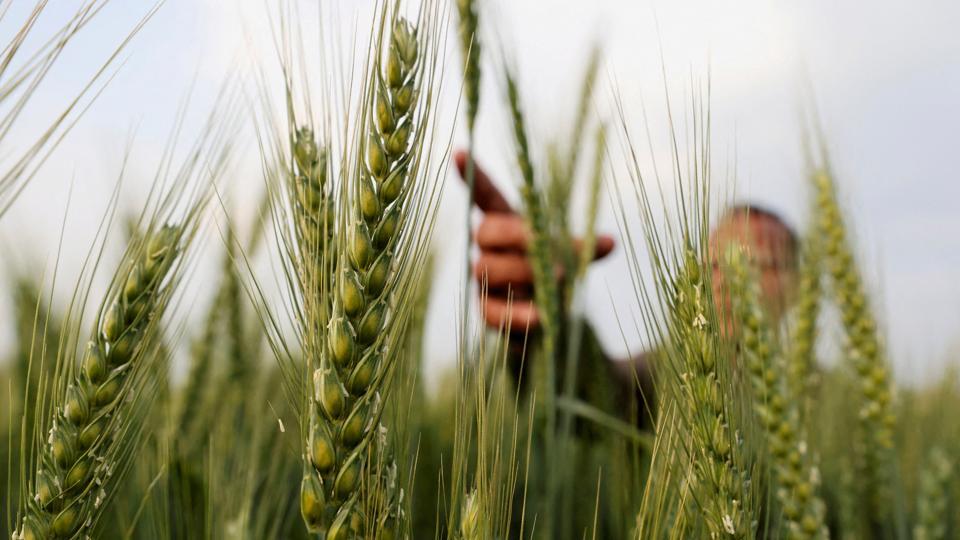
As per the report of field officers from across the state, of 4,01,853 hectares, crops on 85,538.20 hectares of land have been damaged due to deficient rains.
In five districts of Bilaspur, Hamirpur, Mandi, Shimla and Sirmaur, up to 33% of rabi crops have been damaged.
The total crop loss has been estimated at ₹94.62 crore so far in 10 out of 12 districts in the state, barring tribal areas of Kinnaur and Lahaul and Spiti, a spokesperson of the Himachal agriculture department said. Rain-fed areas have been hit the most by the adverse weather. Crops of wheat, barley and peas have been affected due to lack of rain, he added.
“Areas where farmers were completely dependent on rain for irrigation are the worst affected,” said state agriculture director Rajesh Kaushik.
The agriculture department has advised farmers to take care of their crops and consult the agricultural experts on steps to be initiated to save crops from being damaged completely.
The state witnessed an overall rain deficiency of about 36% from January 1 to February 28 and about 84% from March 1 to March 8, while the rain deficit was nearly 100% in the month of December 2022.
According to a report prepared by Chaudhary Sarwan Kumar Himachal Pradesh Agriculture University (HPAU), Palampur, wheat crop in most of the areas of the state was still in vegetative stage/boot leaf stage, though it has reached the anthesis stage in the plains/lower belts of Himachal.
Due to high temperatures prevalent in most parts of the state, there are chances that wheat will enter its the reproductive stage earlier than normal, the report states.
Adverse impact of high temperatures has been reported from lower parts of Himachal. In other crops like rapeseed and mustard, flowering has been completed and the crop is in the seed-formation stage, expected to mature earlier than the normal time if the present scenario of increasing temperature remains, it adds.
There are reports of premature bolting in cole crops as well as leafy vegetables. The crops have also shown symptoms of early senescence.
The reports states that adverse impacts of high temperatures on wheat and other field crops can be reduced to a considerable extent by providing light and frequent irrigations.
However, there will be considerable losses in the yield of peas, cauliflower, and cabbage as well as root crops, it adds.
In such circumstances, yield of wheat is expected to decline by up to 25% while the losses in vegetables will be up to 30%.
Deputy director general of Indian Council of Agricultural Research (ICAR) TR Sharma, who was on a visit to HPAU, said that despite deficit rainfall in winters, still a good wheat crop yield is expected across the country.
He said though day temperatures were high, night temperatures were quite low and thus scanty rainfall was also adequate for good yield.
The meteorological department on Saturday, meanwhile, predicted dry weather in the next 24 hours in the state.
“The weather will remain dry in the state during the last 24 hours. There will be no significant change in maximum temperature in the next 24 hours in Himachal Pradesh,” said director, Indian Meteorological Department, Surender Paul.


