E-Paper



Cyclospora or Salmonella? How to identify symptoms as lettuce and egg outbreaks spread
Two foodborne illness outbreaks in the US involve a cyclospora outbreak linked to recalled lettuce and a salmonella outbreak associated with shell eggs.

 Prefer HTon Google


Two separate foodborne illness outbreaks in the US have raised concerns among consumers, with federal health officials tracking a large cyclospora outbreak linked to recalled lettuce and a salmonella outbreak tied to recalled shell eggs.
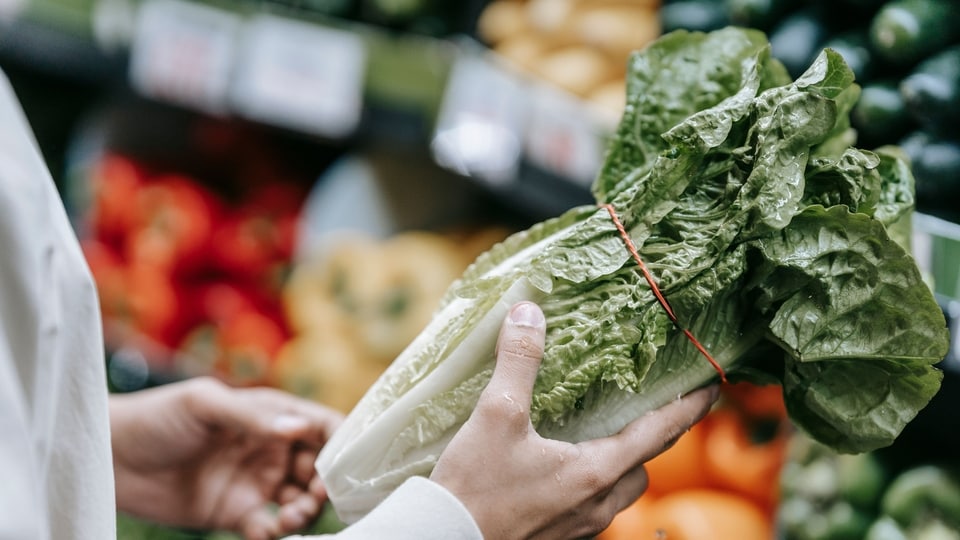
While both infections can cause stomach problems such as diarrhea, nausea and abdominal cramps, health experts say there are important differences in how quickly symptoms appear, how long they last and the warning signs to watch for.
According to the Centers for Disease Control and Prevention (CDC), more than 4,100 laboratory-confirmed cyclospora cases have been reported across 41 states since May 1. Meanwhile, an ongoing salmonella outbreak linked to recalled shell eggs has sickened 98 people across 17 states.
The biggest symptom difference
Dr Tyler Evans, founder and CEO of Wellness Equity Alliance, told Newsweek that the timing of symptoms is one of the most reliable ways to distinguish between the two illnesses.
"Salmonella tends to come on fast, often within a day of a contaminated meal, with fever and cramping and sometimes bloody diarrhea," Evans said. "Cyclospora is a slow burn. Symptoms usually appear about a week after exposure, and the diarrhea is watery rather than bloody, with a lot of fatigue, loss of appetite, and weight loss."
Salmonella symptoms usually begin within six hours to six days after consuming contaminated food, according to the CDC. Most people recover within several days to a week, although severe infections may require medical care.
Cyclospora, caused by the parasite Cyclospora cayetanensis, generally takes longer to appear. Symptoms can begin around a week after exposure but may occur anywhere between two days and two weeks later.
What symptoms should you look for?
Cyclospora infections commonly cause:
- Persistent or recurring watery diarrhea
- Stomach cramps
- Bloating and increased gas
- Nausea
- Fatigue
- Loss of appetite
- Weight loss
Unlike salmonella, cyclospora symptoms can continue for weeks or even months without treatment. Vomiting and fever are less common.
Salmonella infections typically cause:
- Diarrhea
- Fever
- Abdominal cramps
In more serious cases, patients may experience high fever, headaches, body aches, lethargy, rash, or blood in the stool or urine.
Evans said one sign that may point specifically toward cyclospora is symptoms returning after improvement. "Cyclospora relapses. People feel better, then it comes back," he said. "If a stomach illness keeps returning over a couple of weeks, that is not typical salmonella."
Also Read: All you need to know about the parasite causing diarrhea among people across US
What is causing the outbreaks?
Federal investigators have linked a major cyclospora cluster involving 1,947 confirmed illnesses across nine states to shredded iceberg lettuce supplied by Taylor Farms de Mexico and served at Taco Bell locations. The affected states include Illinois, Indiana, Kansas, Kentucky, Michigan, Ohio, Oklahoma, Pennsylvania and West Virginia.
Taylor Farms has said there were no confirmed positive cyclospora test results from product samples as of July 24.
The salmonella outbreak, meanwhile, has been linked by the CDC to contaminated shell eggs produced by Midwest Poultry Services in Texas. Cases have been reported in 17 states, with Texas reporting the highest number of illnesses.
Can washing lettuce prevent cyclospora?
Health officials warn that simply washing lettuce may not completely eliminate cyclospora. The parasite can attach to rough surfaces, tiny crevices and cut edges of leafy greens, making removal difficult.
Experts recommend avoiding recalled products, following food safety updates and seeking medical advice if symptoms are severe, persistent or repeatedly return.