
 E-Paper



Empowerment: Strategy to fight drug abuse effectively
The problem of drug abuse is multi-dimensional. Public representatives must take the lead. Unsparing and impartial police, caring parents and strict teachers, responsible community participation and an expeditious judiciary must work in tandem.

 Prefer HTon Google


The need for a comprehensive strategy for dealing with the menace of drug abuse cannot be overstated. What I’m offering comes from my experience in running drug use law enforcement, drug use during treatment in centres when serving in Delhi Police, Mizoram Police and Narcotics Control Bureau, later by my NGO, Navjyoti India Foundation, treatment inside Tihar Jail as IG, Prisons, followed by my PhD in drug abuse and domestic violence.
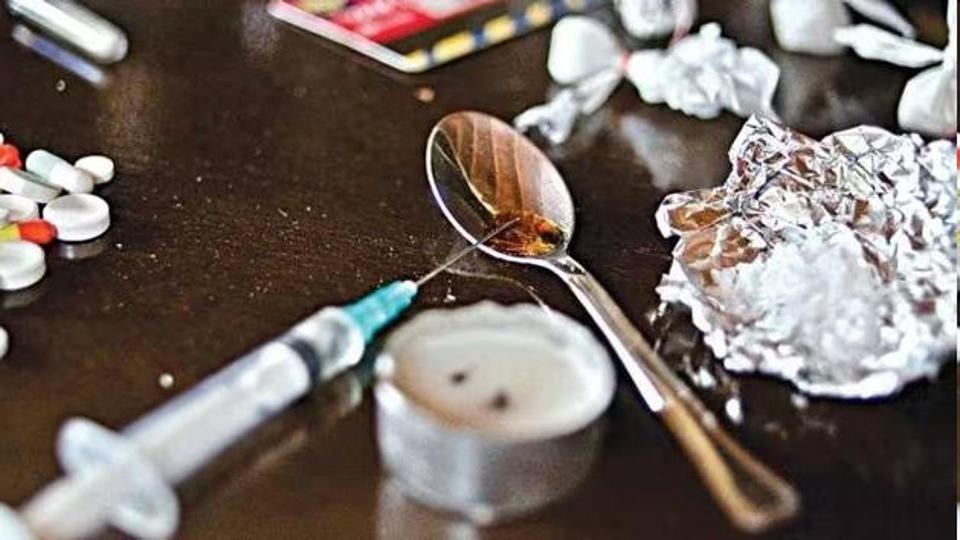
Here is a basic strategy that we could employ to deal with the drug abuse problem. I propose the options under four main heads: Supply reduction, cutting demand, treatment and rehabilitation, and evaluation.
Step 1: Supply reduction
This step falls in the realm of law enforcement with community support. The primary objective is to cut off the supply of drugs.
To take this step, local political representatives, including the municipal councillor and village heads, must be made primary stakeholders. The state government should send a clear message that drug abuse will not be tolerated, thus ensuring police performance and accountability in enforcement.
Every police station must have a thana-level committee where key stakeholders of the area come together once a month to review crime prevention measures, which include the issue of drugs. This will ensure that all law enforcement agencies, dealing with narcotics enforcement, pool in intelligence, which will hit at drug traffickers and weaken supply lines.
Step 2: Bringing down demand
There has to be an increased sense of responsibility among parents and teachers to ensure primary prevention or early detection.
Schoolchildren who become addicted to drugs tend to lag in academics and even drop out of educational institutions. They must know where to get help from.
As announced, the country can set up a national helpline and outsource it to non-police personnel where any person can report or seek help. A call ensures the ambulance takes the addict to a hospital for treatment and informs police, too. It also seeks a report of the action taken and satisfaction of the complainant to know the quality of service rendered. State authorities need to promote the idea further.
There is a pressing need for a national telephone number, with information about possible help centres. An added advantage of the centres would be that information about drug sale would be forthcoming.
Step 3: Treatment and rehabilitation
Major homework needs to be done at this step to set up standard procedures and good practices. Centres need to be registered and worthy ones must get reasonable financial assistance. At present, government support to run a proper de-addiction centre is inadequate.
Also needed is a linkage of such treatment centres with skill development. Those under treatment should be taught skills for early rehabilitation. The step is therapeutic as well as cost effective to check relapse. Political leadership can ensure due resource generation from the government or community.
Abusing drugs, even for personal consumption, is an offence, though under certain conditions, such as addicts indulging in violent behaviour, which almost all of them are involved in. These people can be jailed and treated inside the jail for reasons of restraint required.
Prisons in India must be made smoke-free and with drug abuse treatment centres.
Addicts should be released on the condition that they will remain drug-free and regularly report to treatment centres in collaboration with NGOs under directions from courts. Enforcement agencies must be moved for forfeiture of sureties in cases of breach of bail conditions for money should not go in the hands of terrorists.
A database of traffickers and abusers must be maintained for law to take its course. This will send a clear message that drug crimes will not pay.
Police must work in tandem with the Narcotics Control Bureau, the Border Security Force, Customs and other intelligence agencies. For this, the role of the state police leadership or bureaucracy is vital. Local administration such as district magistrates and superintendents of police are important hubs for action at the grassroots level.
As a crime prevention measure, we used to track addicts to arrest them and send them to organisations for treatment and if they were found selling drugs, they would be sent to prison for treatment. For the first time, Delhi Police had to open their own treatment centres to meet the demand. This was the prevention and welfare role of the police. We worked closely with the community for support services.
Crime prevention cannot be achieved without the support of the community. For this, border groups were created and we worked regularly with local bodies in Mizoram. We also opened toll-free phone lines where people could inform us of the sale or consumption of drugs.
The judiciary too has a vital role in expediting drug cases and awarding stringent punishment to the guilty. Delayed trials make drug cases “rewarding” as by the time conviction is achieved, substantial damage has been done.
Step 4: Evaluation of efforts
An annual evaluation of the mentioned efforts must be conducted by law schools, universities and management institutions as part of their internships, projects or theses.
This will help all agencies stay up to date with evolving challenges. It is important to provide accountability of all stakeholders which will open up our criminal justice system, while removing the drought of empirical research in the fields of criminology, psychology, sociology and medicine among others. Use of latest technology, such as Raman Spectrometer to analyse the chemical ingredients in the seized drug at the time of seizure itself, is crucial.
The problem of drug abuse is multi-dimensional. However, public representatives must take the lead. Unsparing and impartial police, caring parents and strict teachers, responsible community participation and an expeditious judiciary must work in tandem, providing relief to millions of families and homes to be free of violence that accompanies this menace.
kiranbedi2005@yahoo.co.in
(The writer is a former lieutenant governor of Puducherry and an ex-IPS officer, who runs the NGO, Navjyoti India Foundation. Views expressed are personal )


