
 E-Paper



Farm fires: Hotspot village count drops by 90% in Muktsar
As per official data, the district had 46 hotspot villages in 2022, whereas the number has reduced to five this year; the harvest season of non-basmati varieties is nearing an end in the state

 Prefer HTon Google


The number of stubble burning hotspot villages in Muktsar district has dropped by 90% in comparison to last year. As per official data, the district had 46 hotspot villages in 2022, whereas the number has reduced to five this year.
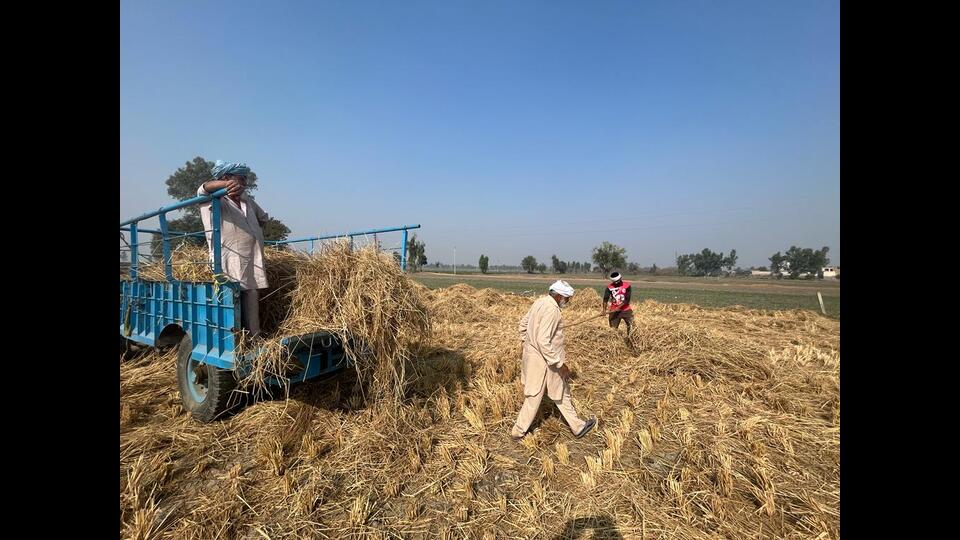
As per the Punjab Pollution Control Board’s protocol, a village with 25 or more farm fires in a season is termed as a hotspot. The harvest season of non-basmati varieties is nearing an end in the state.
Deputy commissioner Ruhee Dugg on Thursday said the district also registered an overall biggest fall in farm fires and attributed the achievement to advanced planning and role of the field staff engaged in sensitising farmers to shun the practice of burning rice residue.
Five farm fire hotspot villages of Muktsar districts — Kotli Ablu, Gidderbaha, Mallan, Bhagsar and Harike Kalan — reported 146 fire events of the total 1,604 incidents of stubble burning reported from the district this season till November 22. Last year till November 22, a total of 3,781 stubble burning cases were registered in the district.
The DC also lauded the active participation of farmers who made the best use of the support extended by the state government and reduced the air pollution load from the district.
“The district administration started planning to curb farm fires in September and the exercise of our success is based on data. Our team laid emphasis on the analysis of farm fires data of the last two years and the kharif harvest season this year. With this, villages and farmers were identified where the trend of stubble burning remained higher and it made us plan and execute the task successfully this year,” she added.
Dugg credits the line of field officials for establishing a direct dialogue with paddy growers to check fire incidents.
“The staff on field duty kept on holding sessions with farmers to convince them not to burn stubble. Spouses and children were also approached through camps in villages and schools to create a social ecosystem against the nuisance of burning paddy straw,” said the DC.
Muktsar chief agriculture officer Gurpreet Singh said the district has 1.07 lakh hectares under paddy and it was estimated that the crop would generate 11.19 lakh tonnes straw. “Half of it was managed by an ex-situ technique, where the industries were taken on board. As a part of the stubble management programme, bales of rice residue were made and sent on time to dump sites which gave farmers enough time for wheat sowing. A total of 1,274 machines, provided on subsidy this year by the state government, were used for in-situ management of the remaining stubble,” he added.


